Unlock Your Potential: Strategies for Effective Exam Preparation
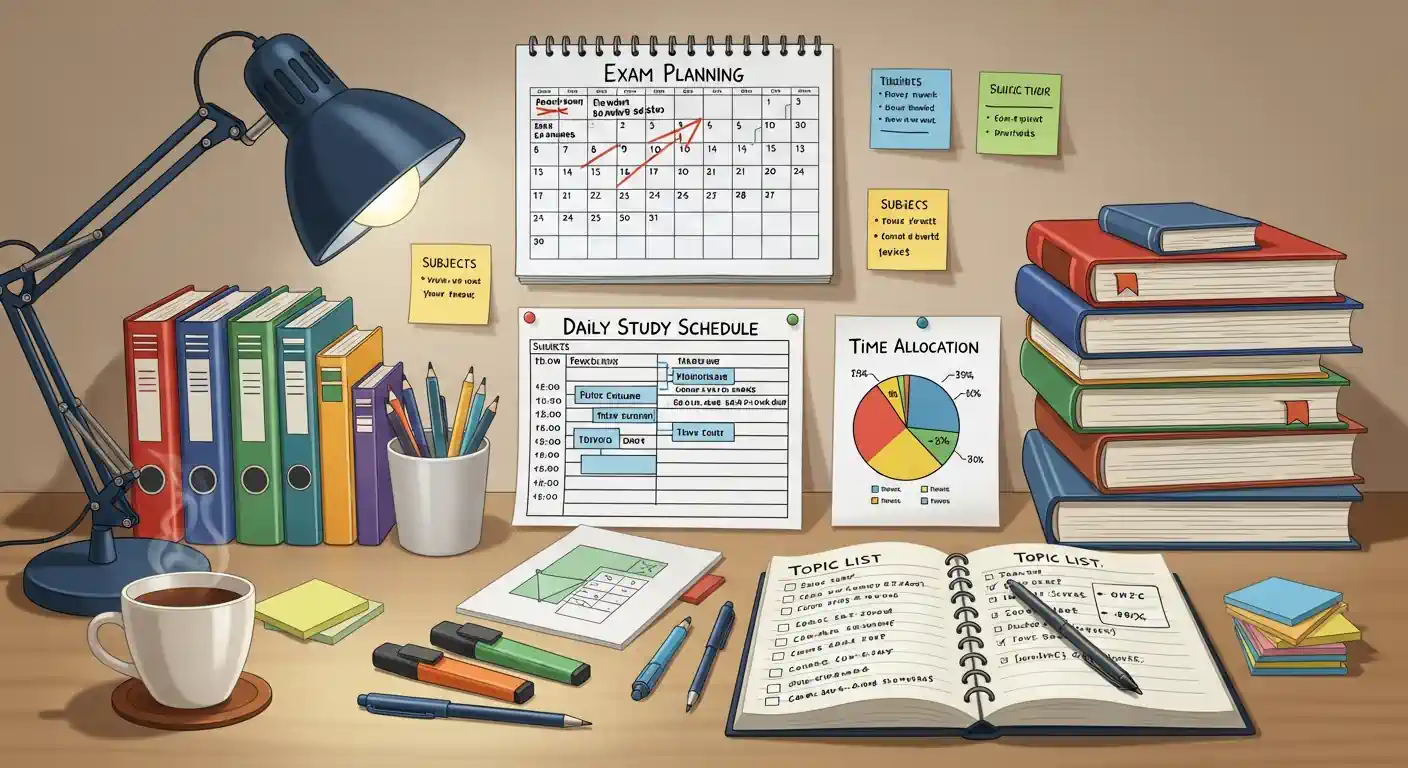
Exam preparation can feel like a daunting task, but with the right approach, it's entirely achievable to unlock your full academic potential. This guide provides a comprehensive roadmap to help you navigate your studies effectively, ensuring you feel confident and prepared when exam day arrives. We'll delve into proven techniques for planning, studying, and reviewing, all designed to maximize your retention and minimize stress. By implementing these strategies, you'll not only improve your performance but also develop valuable lifelong learning skills.
Key Points:
- Structured Planning: Create a realistic study schedule.
- Active Learning Techniques: Engage with the material beyond passive reading.
- Effective Revision: Consolidate knowledge and identify weak spots.
- Mindset & Well-being: Prioritize mental and physical health.
- Exam Day Readiness: Prepare for the actual test environment.
Mastering Your Study Plan for Exam Success
The cornerstone of any successful exam preparation journey is a well-defined and realistic study plan. Without a clear roadmap, it's easy to get lost in the vastness of the material or to procrastinate, leading to last-minute cramming which is rarely effective for deep understanding. Developing a structured approach ensures you cover all necessary topics systematically and allocate sufficient time for each.
Creating a Realistic Study Schedule
The first step in creating an effective study plan is to assess the scope of the exam. Understand the subjects, the weightage of different topics, and the exam format (e.g., multiple-choice, essay, practical). Once you have this overview, break down the study material into smaller, manageable chunks.
- Time Blocking: Assign specific time slots for studying each subject or topic. Be honest about how much time you can realistically dedicate each day.
- Prioritization: Identify topics that are more challenging or carry higher marks and allocate more time to them.
- Buffer Time: Include buffer periods in your schedule to account for unexpected delays or to revisit topics that require extra attention. This is crucial for preventing your entire plan from derailing if one session runs long.
A report by the Educational Psychology Review in 2024 highlighted that students who utilize structured planning tools and adhere to them consistently demonstrate significantly higher exam scores compared to those without such plans. This underscores the power of organization in academic achievement.
Setting SMART Study Goals
Goals are essential motivators, but they must be specific, measurable, achievable, relevant, and time-bound (SMART). Instead of a vague goal like "study biology," aim for something like "Complete chapter 3 of the biology textbook and answer all end-of-chapter questions by Wednesday."
- Specific: Clearly define what needs to be accomplished.
- Measurable: Determine how you will track progress.
- Achievable: Set realistic goals that are within your reach.
- Relevant: Ensure your goals align with your overall exam objectives.
- Time-bound: Assign a deadline to create a sense of urgency.
This goal-setting framework helps in breaking down large tasks into smaller, actionable steps, making the overall process less overwhelming.
Implementing Effective Study Techniques
Passive reading is one of the least effective ways to learn. To truly absorb and retain information for exams, you need to engage in active learning techniques. These methods transform the learning process from a passive reception of information into an interactive exploration.
Active Recall and Spaced Repetition
These two powerful techniques work in synergy to build long-term memory. Active recall involves testing yourself regularly on the material without looking at your notes. This forces your brain to retrieve information, strengthening the neural pathways associated with that knowledge.
Spaced repetition complements active recall by scheduling review sessions at increasing intervals. For instance, you might review a topic one day after learning it, then three days later, then a week later, and so on. This strategy combats the forgetting curve, ensuring that information moves from short-term to long-term memory.
- Flashcards: Excellent for vocabulary, definitions, and formulas.
- Practice Questions: Work through as many practice questions as possible, ideally from past papers.
- Summarization: After reading a section, try to summarize it in your own words without referring back to the text.
A study published in Cognitive Science in 2023 indicated that combining active recall with spaced repetition can improve memory retention by up to 50% over traditional study methods.
The Feynman Technique for Deep Understanding
Named after Nobel Prize-winning physicist Richard Feynman, this technique is brilliant for ensuring you truly understand a concept. It involves explaining the topic in simple terms, as if you were teaching it to a child.
- Choose a Concept: Select a topic you want to understand deeply.
- Teach It: Explain it out loud or write it down in simple language, avoiding jargon.
- Identify Gaps: When you get stuck or use complex language, you've found an area you don't fully grasp. Go back to the source material to fill these gaps.
- Simplify and Refine: Repeat the process until you can explain the concept clearly and concisely.
This method is invaluable for grasping complex subjects and ensuring you can articulate your knowledge effectively during an exam, especially for essay-based questions.
Strategic Revision and Exam Day Preparation
Revision is not just about re-reading; it's about consolidation, practice, and refinement. Effective revision techniques can dramatically improve your confidence and performance when it matters most.
Identifying and Addressing Weak Areas
As you progress through your studies, actively identify topics that you find difficult or where you consistently make mistakes in practice questions. Use your study schedule to dedicate extra time to these areas.
- Error Analysis: When you get a question wrong, don't just move on. Analyze why you got it wrong. Was it a misunderstanding of the concept, a calculation error, or a misinterpretation of the question?
- Targeted Practice: Seek out additional practice problems specifically for these weak areas. This focused effort is more efficient than general review.
Mock Exams and Past Papers
Simulating exam conditions is one of the most powerful revision tools. Taking mock exams or working through past papers under timed conditions allows you to:
- Assess Knowledge Gaps: Identify topics you still need to focus on.
- Improve Time Management: Learn to allocate your time effectively across different sections.
- Reduce Exam Anxiety: Become familiar with the pressure and format of the actual exam.
According to research from the Journal of Educational Measurement in 2025, students who regularly engage with timed practice exams report lower levels of pre-exam stress and exhibit more controlled pacing during actual assessments.
Preparing for Exam Day Logistics
Beyond academic preparation, practical readiness for exam day is crucial.
- Gather Materials: Ensure you have all necessary stationery, calculators, IDs, and any permitted aids the day before.
- Know the Location and Time: Confirm the exact exam venue and start time to avoid last-minute confusion.
- Rest and Nutrition: Get adequate sleep the night before and eat a balanced meal on exam day. Avoid heavy or sugary foods that can lead to energy crashes.
Prioritizing Well-being for Optimal Performance
Exam periods can be highly stressful, making it essential to prioritize your mental and physical well-being. A burnt-out student is an ineffective student. Integrating self-care into your study routine is not a luxury; it's a necessity for peak performance.
Stress Management Techniques
High levels of stress can impair cognitive function, making it harder to recall information and think clearly. Incorporating stress-reducing activities can make a significant difference.
- Mindfulness and Meditation: Even a few minutes of daily mindfulness can help calm your mind.
- Physical Activity: Regular exercise is a powerful stress reliever and boosts brain function.
- Breaks: Schedule short, regular breaks during study sessions to prevent mental fatigue. Step away from your desk, stretch, or do something enjoyable.
The Importance of Sleep and Nutrition
Adequate sleep is critical for memory consolidation and cognitive performance. Aim for 7-9 hours of quality sleep per night. Similarly, a balanced diet provides the energy your brain needs to function optimally.
- Avoid all-nighters: While tempting, they are counterproductive. Sleep deprivation severely hinders learning and recall.
- Hydration: Drink plenty of water throughout the day. Dehydration can lead to fatigue and reduced concentration.
A meta-analysis of studies on sleep and academic performance, published in Sleep Science in 2023, concluded that consistent good sleep hygiene is positively correlated with improved learning outcomes and better exam results.
Frequently Asked Questions About Exam Preparation
How do I start studying for a major exam if I have a lot of material?
Begin by breaking down the syllabus into smaller topics. Create a detailed study schedule that allocates specific time blocks for each topic, prioritizing those with higher marks or that you find more challenging. Use techniques like active recall and spaced repetition to engage with the material effectively.
Is it better to study alone or in a group?
Both methods have benefits. Studying alone allows for focused concentration and self-pacing. Group study can be excellent for discussing complex ideas, quizzing each other, and gaining different perspectives. The most effective approach often involves a combination of both, using group sessions for clarification and collaborative problem-solving after individual study.
How much time should I dedicate to revision versus learning new material?
This depends on your progress. In the initial learning phase, focus more on understanding new concepts. As the exam approaches, gradually shift more time towards revision, practice questions, and mock exams. A good rule of thumb is to dedicate at least 40-50% of your study time to revision in the weeks leading up to the exam.
What's the best way to manage exam anxiety on the day?
On exam day, focus on what you can control. Ensure you've had a good night's sleep and a nutritious breakfast. Arrive at the venue early to settle in. Before starting, take a few deep breaths to calm your nerves. Read the instructions carefully and scan the entire paper to plan your approach.
Conclusion and Next Steps
Unlocking your potential for exam success is a journey that requires planning, consistent effort, and smart strategies. By implementing structured study plans, engaging in active learning techniques, dedicating time to strategic revision, and prioritizing your well-being, you can approach your exams with confidence. Remember that effective exam preparation is an ongoing process, not a last-minute rush.
What are your next steps?
- Create Your Study Schedule: Dedicate time today to map out your study plan for the upcoming exams.
- Implement Active Learning: Choose one new active learning technique (like the Feynman technique or flashcards) to try this week.
- Prioritize Self-Care: Schedule a break or exercise session into your day, recognizing its importance for effective learning.
We encourage you to share your own favorite exam preparation strategies in the comments below! Your insights can help fellow students unlock their potential. For further exploration into optimizing your learning process, consider delving into articles on memory techniques and effective note-taking strategies.