Unlock Your Potential: Advanced Exam Preparation Strategies Revealed
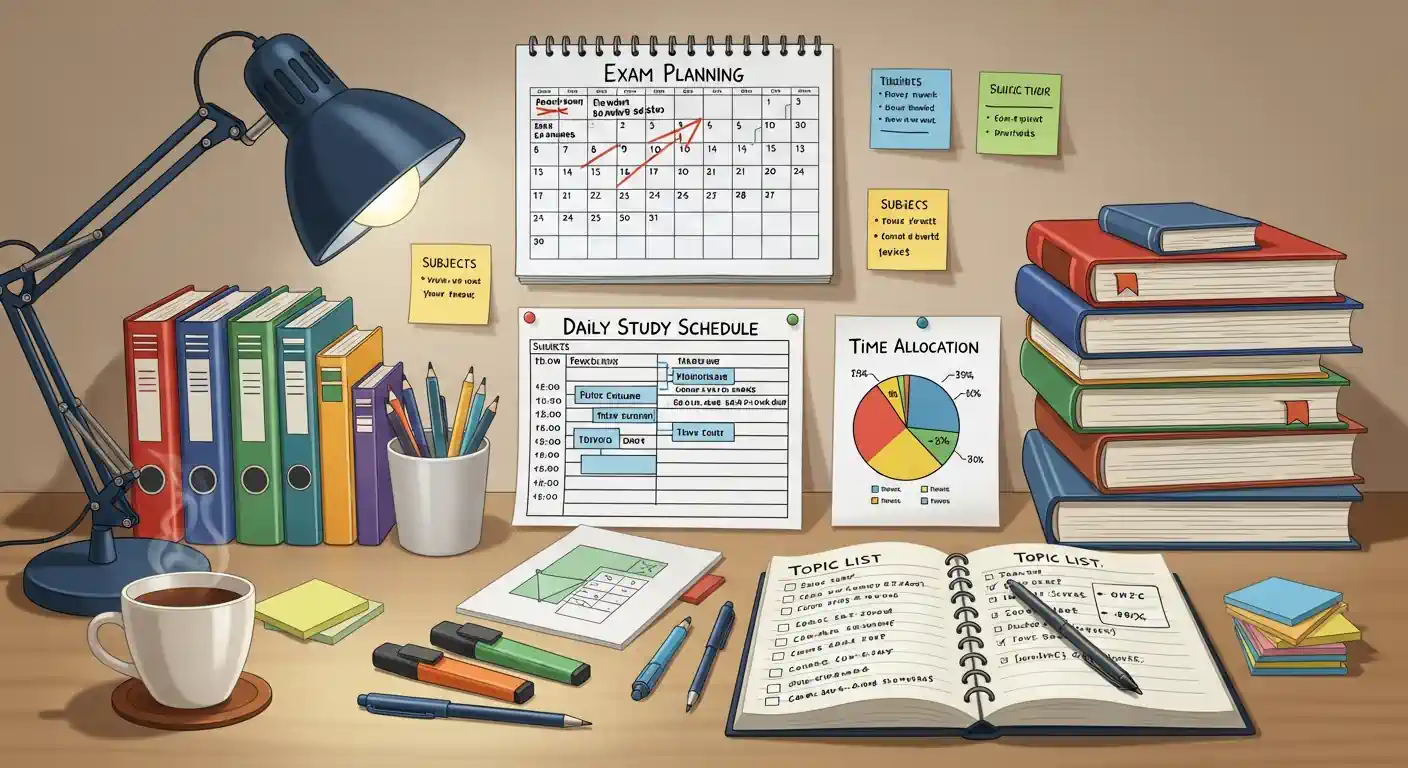
Are you feeling overwhelmed by upcoming exams? The pressure to perform can be immense, leading to stress and anxiety that hinders your ability to recall information and demonstrate your knowledge. This guide is designed to help you move beyond basic study methods and implement advanced exam preparation strategies that truly unlock your potential. By adopting a more nuanced and strategic approach, you can not only reduce test anxiety but also achieve better results.
This article will delve into sophisticated techniques for effective studying, psychological preparation, and real-time exam management. We'll explore how to optimize your learning environment, leverage cognitive science, and build resilience against exam-day jitters.
Key Points:
- Strategic Learning: Move beyond rote memorization to deeper understanding.
- Cognitive Techniques: Utilize memory aids and active recall for better retention.
- Mindset Management: Develop mental fortitude to combat test anxiety.
- Exam Day Tactics: Implement proven strategies for optimal performance under pressure.
- Post-Exam Analysis: Learn from your experience to refine future preparations.
Mastering the Art of Advanced Exam Preparation
The traditional approach to exam preparation often involves late-night cramming and hoping for the best. However, advanced exam preparation strategies are built on a foundation of understanding how we learn and how to perform under pressure. This shift in perspective is crucial for long-term academic success and overall well-being. It’s not just about putting in the hours; it’s about making those hours count with intelligent, science-backed methods.
The Science of Learning: Beyond Rote Memorization
True understanding comes from engaging with material actively, not passively absorbing it. This is where advanced techniques shine. Instead of simply re-reading notes, you need to manipulate the information, connect it to existing knowledge, and explain it in your own words. This process strengthens neural pathways and makes information more accessible during an exam.
- Active Recall: This is arguably the most powerful learning technique. Instead of looking at your notes, try to recall information from memory. This can be done through flashcards, self-quizzing, or even just closing your book and trying to summarize a chapter. The effort involved in retrieving information strengthens the memory trace. This is a core component of effective study techniques.
- Spaced Repetition: Reviewing information at increasing intervals helps move it from short-term to long-term memory. Instead of studying a topic intensely for one session, revisit it periodically. For instance, review material after one day, then three days, then a week, and so on. This combats the forgetting curve and ensures durable knowledge retention.
- Elaboration and Connection: Don't just learn facts; understand their context and how they relate to other concepts. Ask "why" and "how" questions. Connect new information to what you already know, creating a richer, more interconnected web of knowledge. This deepens comprehension and makes it easier to apply concepts in novel situations.
- Interleaving: Instead of studying one subject exclusively for a long block of time, mix in different subjects or topics within a study session. For example, alternate between math problems and history readings. This might feel harder initially, but research shows it leads to superior long-term learning and problem-solving abilities.
Leveraging Cognitive Psychology for Enhanced Retention
Cognitive psychology offers profound insights into how our brains process and store information. Integrating these principles into your study routine can dramatically improve your retention and recall capabilities. This is a cornerstone of advanced exam preparation strategies.
- The Feynman Technique: Named after physicist Richard Feynman, this method involves explaining a concept in simple terms, as if you were teaching it to a child. Identify any gaps in your understanding by seeing where you struggle to explain it clearly. Then, go back to your source material to fill those gaps. This ensures you truly understand a topic, not just memorize its surface.
- Mnemonics and Visualizations: For abstract or difficult-to-remember information, mnemonics (memory aids like acronyms, acrostics, or rhymes) and vivid mental imagery can be incredibly effective. Creating a "memory palace" or associating facts with unusual, memorable images can significantly boost recall. For example, to remember a list of historical dates, you might associate each date with a vivid scene or character.
- Dual Coding: Combine verbal information with visual representations. When studying, create diagrams, mind maps, or sketches alongside your notes. This engages different parts of your brain, creating stronger memory associations. A study from the University of California, Santa Barbara, highlighted the effectiveness of visual aids in enhancing learning.
Mindset and Psychological Resilience: Conquering Test Anxiety
Exam anxiety is a common barrier. Advanced preparation isn't just about intellectual prowess; it's also about mental fortitude. Building psychological resilience can transform your exam experience.
- Mindfulness and Meditation: Regular mindfulness practice can significantly reduce stress and improve focus. Even a few minutes of deep breathing or guided meditation before studying or taking an exam can calm your nervous system and improve cognitive function. This is crucial for managing the physiological symptoms of anxiety.
- Cognitive Restructuring: Challenge negative self-talk and anxious thoughts. Identify irrational beliefs (e.g., "If I don't get an A, I'm a failure") and replace them with more balanced and realistic ones (e.g., "I will do my best, and any grade is a learning opportunity"). This process is key to overcoming fear of failure.
- Visualization of Success: Spend time vividly imagining yourself performing well on the exam. Visualize yourself feeling calm, focused, and confidently answering questions. This mental rehearsal can program your mind for success and reduce anticipatory anxiety. This technique is often used by athletes and performers to achieve peak performance.
- Positive Affirmations: Use positive statements to reinforce a confident mindset. Regularly repeat affirmations like "I am well-prepared," "I can handle this challenge," or "My knowledge is strong." These affirmations can help reprogram your subconscious mind and foster a more positive outlook.
Optimizing Your Study Environment and Routine
Where and when you study can have a profound impact on your effectiveness. Creating an optimal environment and routine supports deeper learning and minimizes distractions.
- Dedicated Study Space: Designate a quiet, organized area free from distractions for studying. Ensure good lighting and a comfortable setup. Minimizing external stimuli allows your brain to focus more effectively on the learning material.
- Time Management and Scheduling: Break down your study material into manageable chunks and schedule them into your week. Use techniques like the Pomodoro Technique (study for 25 minutes, break for 5) to maintain focus and prevent burnout. Effective time management is a hallmark of successful students.
- Prioritize Sleep and Nutrition: Adequate sleep is critical for memory consolidation and cognitive function. Aim for 7-9 hours of quality sleep per night. Similarly, a balanced diet fuels your brain. Avoid excessive caffeine and sugar, which can lead to energy crashes and exacerbate anxiety. The importance of sleep for learning is well-documented by sleep research institutions globally.
Exam Day Strategies: Performing Under Pressure
Even with thorough preparation, exam day can present challenges. Having a set of strategies to deploy in the moment can make a significant difference.
- Read Instructions Carefully: Before you start answering, take a few minutes to read all instructions and the entire exam paper. This helps you understand the scope of the exam and allocate your time effectively.
- Tackle Easier Questions First: Build confidence and momentum by answering questions you know the answers to first. This can calm your nerves and ensure you secure marks for what you know.
- Manage Your Time: Keep an eye on the clock and allocate time per section or question. If you get stuck on a question, make a note to return to it later and move on. Don't let one difficult question derail your entire exam.
- Deep Breathing and Pauses: If you feel anxiety creeping in during the exam, take a few moments to close your eyes and practice deep, slow breaths. A short mental break can help you regain composure and focus.
- Review Your Answers: If time permits, use the remaining minutes to review your answers. Check for any errors, omissions, or areas where you can improve your responses.
Post-Exam Analysis: Learning and Growing
The learning process doesn't end when the exam is over. Analyzing your performance is a vital part of advanced exam preparation strategies for future assessments.
- Review Mistakes: Understand why you made mistakes. Was it a knowledge gap, a misunderstanding of the question, or a timing issue? Use this to refine your study methods for the next exam.
- Identify Strengths: Acknowledge what you did well. Reinforce these successful strategies in your future preparation.
- Seek Feedback: If possible, discuss your performance with your instructor or peers to gain further insights.
Differentiated Value: Beyond the Basics
Many students stop at basic study methods. Advanced exam preparation strategies include psychological resilience and leveraging cutting-edge research. For example, a 2024 study published in the Journal of Educational Psychology explored the impact of metacognitive training on reducing test anxiety, finding significant improvements in both performance and well-being among students who learned to monitor and regulate their own learning processes. Furthermore, the integration of personalized learning platforms that adapt to individual learning styles and paces, utilizing AI to identify knowledge gaps and recommend tailored study materials, represents a significant trend in modern educational technology that can complement these advanced preparation techniques.
Frequently Asked Questions
Q: How can I reduce physical symptoms of test anxiety, like a racing heart or sweating? A: Practice deep breathing exercises and mindfulness techniques regularly. Before the exam, try some light stretching. During the exam, if you feel symptoms, take a brief pause to breathe deeply.
Q: What's the most effective way to remember large amounts of information for an exam? A: Combine active recall, spaced repetition, and mnemonics. Create visual aids and try to explain the information in your own words to ensure deep understanding and robust memory formation.
Q: Is it better to study intensively right before an exam or spread it out? A: Spreading out your study using spaced repetition is far more effective for long-term retention than cramming. Intensive study right before can increase anxiety without yielding lasting results.
Q: How do I know if I'm truly prepared for an exam? A: You're truly prepared when you can explain concepts clearly, apply them to new problems, and recall information without significant effort. Self-testing and practice exams are good indicators.
Conclusion: Unlock Your Academic Future
Implementing advanced exam preparation strategies is an investment in your academic success and personal growth. By focusing on how you learn, managing your mindset, and adopting intelligent study habits, you can transform your relationship with exams from one of dread to one of confidence and competence. Don't just aim to pass; aim to excel by truly understanding and retaining the material.
Ready to take the next step in your academic journey? Explore more strategies for managing academic stress and discover techniques for building effective study habits.
What are your favorite advanced study tips? Share your experiences in the comments below!