Time Management for Exams: Maximize Your Study Efficiency
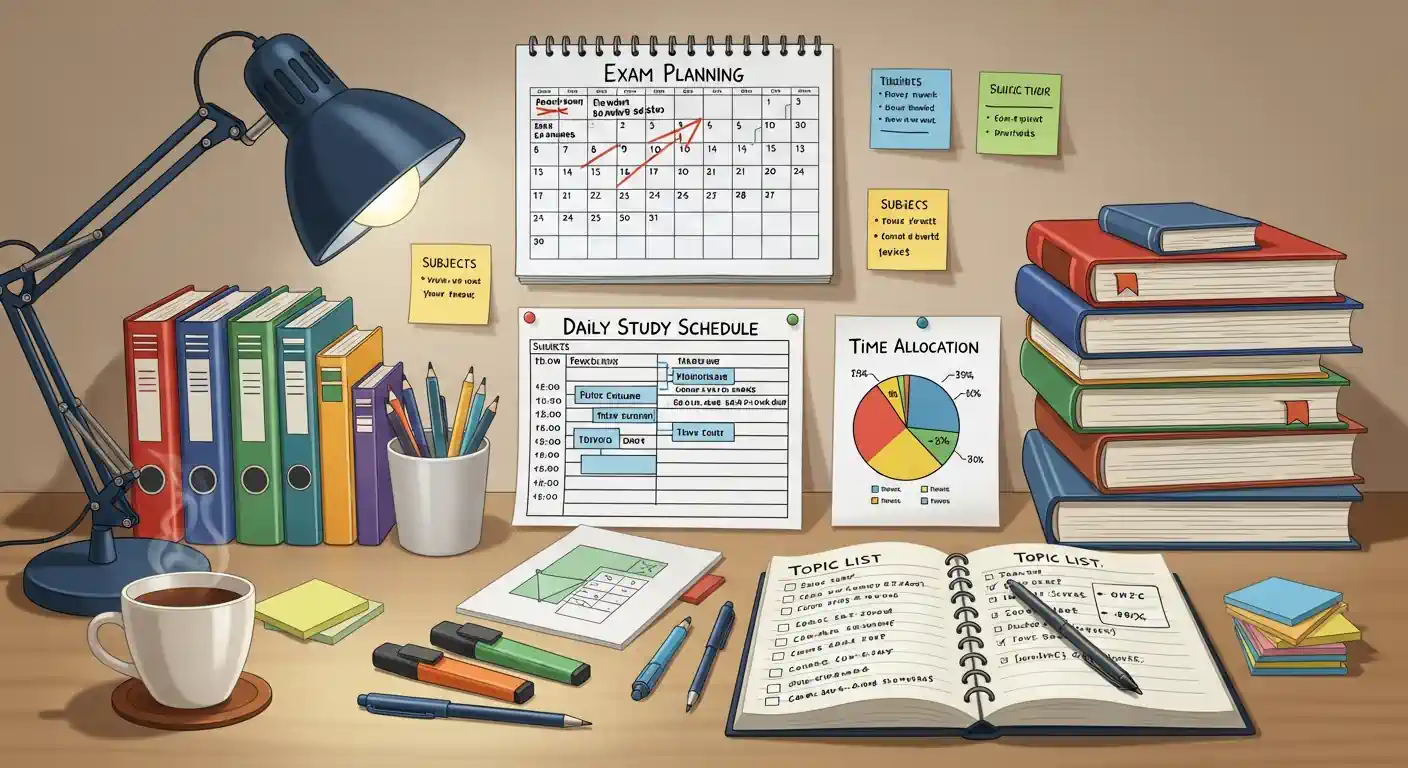
Preparing for exams can often feel like an overwhelming uphill battle, but with effective time management for exams, you can transform stress into strategic success. This guide is designed to help you maximize your study efficiency, ensuring every minute counts towards achieving your academic goals. By adopting proven techniques and a structured approach, you won't just study harder; you'll study smarter, reducing anxiety and boosting your confidence.
Key Points for Maximizing Study Efficiency:
- Strategic Planning: Develop a realistic and adaptable study schedule.
- Prioritization: Focus on high-impact topics and challenging areas first.
- Active Learning: Employ techniques like active recall and spaced repetition.
- Self-Care: Integrate regular breaks and wellness activities to prevent burnout.
- Flexibility: Be prepared to adjust your plan based on progress and unforeseen events.
The Importance of Effective Time Management for Exams
Effective time management for exams is not merely about allocating hours; it's about optimizing your cognitive resources and ensuring comprehensive coverage of your syllabus. Without a structured approach, students often fall into traps like procrastination, cramming, or neglecting weaker subjects. A well-managed study schedule provides clarity, reduces decision fatigue, and allows for consistent progress, which is crucial for long-term retention and understanding.
Consider the psychological benefits: knowing you have a plan can significantly lower stress levels. Instead of feeling overwhelmed by the sheer volume of material, you gain a sense of control, tackling one manageable task at a time. This systematic approach is a cornerstone of maximizing your study efficiency and achieving peak performance.
Core Principles for Maximizing Study Efficiency
To truly excel in your exam preparation, it's essential to build a foundation on core principles that enhance learning and retention. These aren't just tips; they are fundamental shifts in how you approach your studies.
Crafting Your Personalized Exam Study Schedule
Creating an exam study timetable is the first critical step in effective time management. Start by mapping out all your exams and deadlines. Then, break down your syllabus into manageable topics and assign specific time slots for each. Remember to be realistic about how much you can cover in a session. Over-scheduling leads to burnout, while a balanced schedule promotes sustainable learning.
When designing your schedule, consider your personal peak productivity times. Are you a morning person or a night owl? Align your most challenging subjects with these periods. Don't forget to include buffer time for unexpected delays or deeper dives into difficult concepts. For more insights into optimizing your learning environment, readers can explore related articles on creating an ideal study space.
Prioritization Techniques for High-Impact Learning
Not all study tasks are created equal. Effective prioritization techniques for students involve identifying what truly matters. The Eisenhower Matrix, for example, can help categorize tasks into urgent/important, important/not urgent, urgent/not important, and neither. Focus primarily on the "important" tasks, especially those that are not yet urgent.
Another strategy is to assess the weight of each topic in the exam. Allocate more time to high-value topics or those you find particularly challenging. This strategic allocation ensures you're investing your energy where it will yield the greatest returns, directly contributing to maximizing your study efficiency.
The Power of Active Recall and Spaced Repetition
Beyond just reading, engage with the material actively. Active recall involves testing yourself on information without looking at your notes. Flashcards, self-quizzing, and explaining concepts aloud are excellent methods. This process strengthens memory pathways, making information easier to retrieve during the exam.
Spaced repetition, on the other hand, involves reviewing material at increasing intervals over time. Instead of cramming, you revisit topics just as you're about to forget them, reinforcing your memory. Research published in the Journal of Applied Research in Memory and Cognition (2024) consistently shows that spaced repetition significantly improves long-term retention compared to massed practice. Integrating these techniques into your study plan is a powerful way to enhance memory and understanding.
Advanced Time Management Strategies for Peak Performance
Moving beyond the basics, these advanced strategies help you fine-tune your approach, ensuring sustained focus and productivity throughout your exam preparation period.
Overcoming Procrastination and Distractions
Procrastination is a common enemy of exam preparation. To combat it, try the "two-minute rule": if a task takes less than two minutes, do it immediately. For larger tasks, break them down into smaller, less daunting steps. The Pomodoro Technique, involving focused 25-minute study intervals followed by short breaks, is also highly effective in maintaining focus and preventing burnout.
Minimizing distractions is equally vital. Turn off social media notifications, put your phone away, and find a quiet study environment. Consider using website blockers during your study sessions. A study by the Learning Sciences Institute (2023) highlighted that even brief digital interruptions can significantly impair concentration and increase the time needed to complete academic tasks.
Integrating Breaks and Self-Care for Sustained Focus
While it might seem counterintuitive, taking regular breaks is a crucial component of time management for exams. Short breaks (5-10 minutes every hour) help refresh your mind, prevent mental fatigue, and improve overall concentration. Use these breaks to stretch, grab a snack, or briefly step away from your study area.
Beyond short breaks, prioritize adequate sleep, healthy nutrition, and physical activity. These self-care practices are not luxuries; they are essential for cognitive function and stress reduction. Neglecting them can severely hinder your ability to learn and retain information, ultimately impacting your study efficiency. For strategies on managing exam-related stress, readers can explore our category on mental well-being for students.
Leveraging Technology for Enhanced Study Productivity
Modern tools can significantly aid your effective exam preparation. Utilize digital planners or calendar apps to organize your schedule and set reminders. Flashcard apps like Anki or Quizlet can automate spaced repetition, making review sessions more efficient. Productivity apps can help track your study time and block distracting websites.
However, remember that technology is a tool, not a solution in itself. Use it strategically to support your study habits, not to replace active engagement with the material.
Differentiated Insights: Beyond Traditional Study Methods
To truly maximize your study efficiency, consider approaches that go beyond conventional advice.
The "Study Sprint" Method: A Modern Approach
While the Pomodoro Technique is popular, the "Study Sprint" offers a slightly different rhythm for intense exam periods. This method involves dedicating 90-120 minute blocks of uninterrupted, deep work on a single subject, followed by a substantial break (30-60 minutes). This longer focus period allows for deeper immersion and tackling more complex problems without constant interruption, mimicking the flow state often experienced by high-performers. It's particularly effective for subjects requiring sustained concentration, like complex problem-solving or essay writing.
Adaptive Scheduling for Dynamic Exam Preparation
Many students create a rigid study schedule only to abandon it when unexpected events occur. Adaptive scheduling emphasizes flexibility and continuous re-evaluation. Instead of viewing your schedule as fixed, treat it as a living document. At the end of each study day or week, review your progress. Did you cover everything? Did a particular topic take longer than expected? Adjust the next day's or week's plan accordingly. This iterative process ensures your schedule remains realistic and responsive to your actual learning pace and challenges, making your time management for exams far more resilient.
FAQ Section
Q1: How much time should I dedicate to studying for an exam?
A: The ideal study time varies based on the subject's difficulty, your familiarity with the material, and the exam's weight. A general guideline is to allocate 2-3 hours of study for every hour of class time. However, quality trumps quantity. Focus on active, efficient study sessions rather than just clocking hours. Start early to allow for spaced repetition and avoid last-minute cramming.
Q2: What are the best time management techniques for students?
A: Highly effective techniques include creating a detailed study schedule, using the Pomodoro Technique for focused work intervals, prioritizing tasks with methods like the Eisenhower Matrix, and incorporating active recall and spaced repetition. Breaking down large tasks into smaller, manageable steps also helps prevent overwhelm and procrastination, boosting overall study efficiency.
Q3: How can I avoid burnout while preparing for exams?
A: Preventing burnout is crucial for sustained performance. Integrate regular, short breaks into your study sessions and ensure you get adequate sleep (7-9 hours). Maintain a healthy diet and incorporate physical activity into your routine. Schedule dedicated leisure time to de-stress and recharge. Remember, self-care is not a luxury but a necessity for effective long-term study.
Q4: Is it better to study alone or in a group?
A: Both individual and group study have their merits. Studying alone allows for deep concentration and personalized learning, especially for initial understanding and active recall. Group study can be beneficial for discussing complex concepts, peer teaching, and identifying gaps in understanding. A balanced approach, combining independent study with occasional group sessions, often yields the best results for comprehensive exam preparation.
Conclusion
Mastering time management for exams is an invaluable skill that extends far beyond your academic career. By implementing strategic planning, prioritizing effectively, and embracing active learning techniques, you can significantly