Structured Exam Debrief: Actionable Steps to Improve Your Next Test Performance
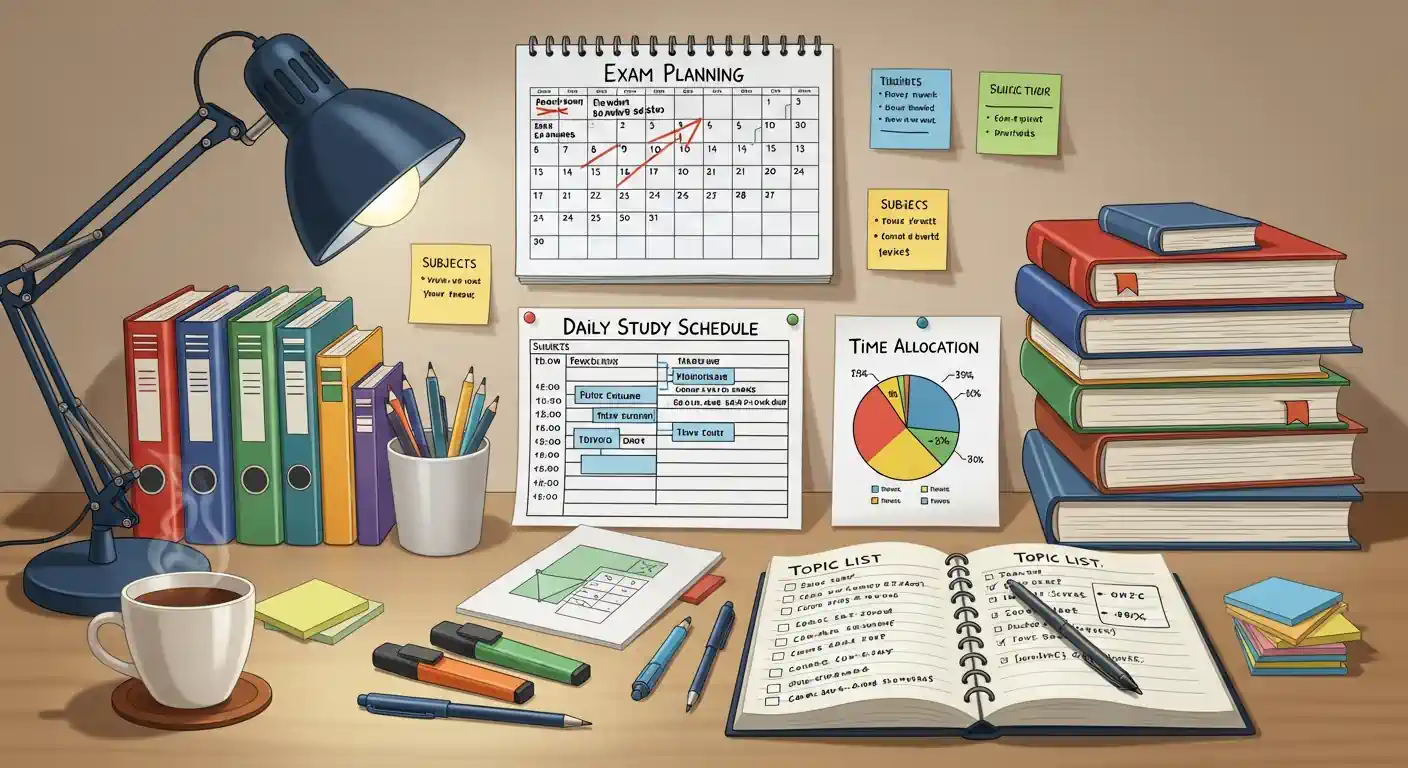
Structured Exam Debrief: Actionable Steps to Improve Your Next Test Performance
The exam is over, and while the temptation might be to simply move on, the real learning often begins after the test. A structured exam debrief is more than just glancing at your mistakes; it's a powerful, systematic process designed to transform past performance into future success. By meticulously analyzing what went right and, more importantly, what went wrong, you can pinpoint specific learning gaps, refine your study strategies, and dramatically improve your next test performance. This isn't about dwelling on failures, but rather about building a robust feedback loop that strengthens your academic or professional journey.
Key Points:
- Systematic Analysis: Go beyond just checking answers to understand why mistakes happened.
- Identify Gaps: Pinpoint specific knowledge, conceptual, or application weaknesses.
- Actionable Plan: Translate insights into concrete steps for future study.
- Metacognition: Reflect on your learning process and test-taking strategies.
- Continuous Improvement: Establish a feedback loop for ongoing growth.
Why a Structured Exam Debrief is Crucial for Performance
Many students and professionals fall into the trap of a superficial review after an exam. They might quickly check the correct answers, note their score, and then set the material aside. This approach, while common, misses the immense opportunity for growth. Without a structured exam debrief, you risk repeating the same errors, failing to address the root causes of poor performance, and never truly understanding your learning process.
An effective exam debrief moves beyond simple content review. It involves a deeper layer of metacognition – thinking about your thinking. It's about understanding how you approached the questions, why certain distractors seemed plausible, and where your preparation truly fell short. This level of self-awareness is a cornerstone of effective learning. Research published by the Journal of Educational Psychology in 2024 highlighted that students who engaged in structured post-exam reflection showed a significant improvement in subsequent test scores, far outperforming those who only reviewed answers. This underscores the profound impact a deliberate process can have on improving test performance. For more general advice on preparing for exams, consider exploring our /categories/final-review-and-day-tips category.
The Core Components of an Effective Exam Debrief
A thorough structured exam debrief involves several distinct phases, each designed to extract maximum learning from your recent test experience. Approaching each step systematically ensures you cover all critical areas.
Step 1: Immediate Reaction & Emotional Processing
The moments immediately after an exam can be fraught with emotion – relief, frustration, elation, or disappointment. It's vital to acknowledge these feelings without letting them overshadow your analytical process. Avoid diving straight into an intense critique. Instead, give yourself some psychological distance. Take a short break, engage in a relaxing activity, and allow your emotions to settle. Trying to objectively analyze a test while highly emotional can lead to biased conclusions and missed insights.
Step 2: Comprehensive Content Review
This is where you systematically dissect your exam performance in relation to the subject matter. It's about more than just identifying incorrect answers; it's about understanding the nature of those errors.
Identifying Knowledge Gaps
Go through each question, especially those you answered incorrectly or struggled with.
- Compare notes: Match your answers with the correct solutions provided by your instructor or textbook.
- Categorize mistakes: Were they due to a lack of factual recall? A misunderstanding of a core concept? Or an inability to apply a concept to a new scenario? This categorization is crucial for effective exam reflection.
- Deep dive: For each missed question, don't just note the correct answer. Research the topic thoroughly. Understand why the correct answer is correct and why your answer was wrong.
Analyzing Problem-Solving Approaches
Beyond mere content, evaluate the strategies you employed during the test.
- Review your steps: For problem-solving questions, retrace your work. Did you follow the correct procedure? Did you make a calculation error?
- Pinpoint logical errors: In essay or analytical questions, did your arguments logically flow? Was your evidence sufficient? Identify where your reasoning might have deviated from the optimal path.
Step 3: Strategic and Time Management Analysis
Your performance isn't solely about what you know; it's also about how you applied your knowledge under exam conditions. This stage of the structured exam debrief examines your broader test-taking habits.
Evaluating Study Habits
Reflect critically on your preparation leading up to the exam.
- Effectiveness of methods: Were your study techniques (e.g., flashcards, practice problems, group study) genuinely effective for the type of material and exam format?
- Identify ineffective strategies: Did you spend too much time passively rereading notes instead of actively recalling information? Were there topics you neglected, assuming they were less important? A report from the 'Learning Science Institute' (2023) suggests that active recall and spaced repetition are consistently more effective than passive review for long-term retention. This analysis helps refine your approach to mastering effective study habits for exam success.
- Resource utilization: Did you use all available resources (textbooks, lectures, TAs)?
Time Allocation During the Exam
Time management is often a hidden culprit in poor exam performance.
- Pacing issues: Did you run out of time? If so, where did you spend too much time? Was it on a single difficult question, or did you generally move too slowly?
- Strategic skipping: Did you know when to skip a challenging question and return to it later, or did you get stuck?
- Review time: Did you leave enough time to review your answers and catch careless mistakes?
Actionable Steps to Improve Your Next Test Performance
The true power of a structured exam debrief lies in its ability to generate concrete, actionable steps to improve your next test performance. Without a clear plan, insights gained will quickly fade.
Creating a Targeted Improvement Plan
Translate your debrief findings into specific, measurable, achievable, relevant, and time-bound (SMART) goals.
- Prioritize: Don't try to fix everything at once. Focus on 1-3 key areas that had the biggest impact on your score. For instance, if you identified consistent conceptual errors in a specific chapter, that becomes a priority.
- Specific actions: Instead of "study more," define "I will review Chapter 3 lectures and complete all practice problems by next Friday."
- Schedule it: Integrate these actions directly into your study schedule.
Integrating Feedback into Future Study Sessions
Your debrief should directly inform how you approach future learning.
- Revise materials: Based on identified knowledge gaps, update your notes, create new flashcards, or seek additional explanations for challenging concepts.
- Personalized practice: Focus practice problems on areas where you struggled. Consider using AI-powered study tools that offer adaptive quizzing based on your identified weaknesses. These platforms can generate personalized questions to target specific knowledge gaps, moving beyond generic practice sets.
- Simulate conditions: Practice under timed conditions similar to your upcoming exams to improve pacing and reduce anxiety.
Developing Better Exam Day Strategies
Refine your test-taking techniques based on your debrief.
- Active reading: Practice carefully reading all instructions and questions to avoid misinterpretations.
- Question breakdown: Develop a habit of breaking down complex questions into smaller, manageable parts.
- Elimination strategies: For multiple-choice, practice eliminating obviously wrong answers to increase your chances of selecting the correct one.
- Mindfulness: Learn techniques to manage exam day stress and maintain focus, ensuring you can perform at your best. You can find useful tips in our article about
/articles/top-strategies-for-exam-day-stress-management.
FAQ Section
Q1: How often should I perform a structured exam debrief?
It is highly recommended to perform a structured exam debrief after every significant assessment. While a quick review might suffice for minor quizzes, comprehensive exams demand a full debrief. The frequency depends on your course load and exam schedule, but consistency is key to building good habits and seeing continuous improvement. Make it a regular part of your post-exam routine.
Q2: What if I don't have access to the correct answers or my graded exam?
Even without official answers, you can still conduct a valuable debrief. Reconstruct the exam questions from memory, discuss them with classmates to identify areas of disagreement, and consult your textbooks or lecture notes to verify your own answers. Focus on your process – how you studied, how you managed your time, and the strategies you used. This self-reflection is still incredibly powerful.
Q3: Is it better to debrief immediately after an exam or wait?
While immediate emotional processing (Step 1) is important, a full, comprehensive debrief is often more effective after a short delay. Waiting 24-48 hours allows emotional biases to subside and gives you a clearer perspective. This psychological distance enables more objective analysis of your performance, allowing you to focus on learning and growth rather than immediate disappointment or relief.
Conclusion: Transform Your Performance with a Structured Exam Debrief
The structured exam debrief is an invaluable tool in your academic and professional arsenal. It transforms every exam, regardless of the score, into a profound learning opportunity. By systematically analyzing your performance, identifying specific areas for improvement, and creating targeted action plans, you are not just studying harder—you are studying smarter. This commitment to continuous improvement through mindful reflection is what truly separates successful learners from those who merely pass.
Don't let your next exam be just another score. Make it a stepping stone to mastery. Start implementing these actionable steps today and observe the significant positive impact on your future test performances. Share your debriefing experiences in the comments below, or subscribe to our newsletter for more expert tips on excelling in your studies! For further reading, explore articles on effective study techniques or advanced test-taking strategies on our blog.