Strategic Exam Preparation: Your Roadmap to Top Grades
Strategic Exam Preparation: Your Roadmap to Top Grades
Embarking on the journey of academic success requires more than just intelligence; it demands a well-thought-out plan. Strategic exam preparation is your ultimate roadmap to not only pass but to truly excel and achieve top grades. This comprehensive guide will equip you with the knowledge and tools to transform your study habits, manage your time effectively, and maintain your well-being throughout the demanding exam period. We'll delve into proven techniques, offer unique insights, and provide actionable advice to ensure you approach every test with confidence and competence.
Whether you're facing high school finals, university assessments, or professional certification exams, the principles of effective preparation remain universal. This article will guide you through building a robust study framework, mastering powerful learning methods, and optimizing your physical and mental health. By adopting a strategic approach, you'll not only enhance your performance but also reduce stress, making the entire process more manageable and rewarding.
Key Points for Strategic Exam Preparation
- Early Planning is Crucial: Start with a detailed study schedule and understand your syllabus thoroughly.
- Embrace Active Learning: Utilize techniques like active recall and spaced repetition for deeper understanding.
- Prioritize Well-being: Adequate sleep, nutrition, and stress management are non-negotiable for peak performance.
- Practice Makes Perfect: Regularly engage with past papers and mock exams to simulate real conditions.
- Develop a Confident Mindset: Approach exam day with calm and strategic test-taking skills.
The Foundation of Strategic Exam Preparation: Planning Your Success
Effective strategic exam preparation begins long before you open a textbook. It starts with a clear, actionable plan that addresses what you need to study, how you'll study it, and when. This foundational phase is critical for setting yourself up for success and building momentum.
Understanding Your Syllabus and Exam Format
Before diving into content, thoroughly understand what will be tested. Review your course syllabus, learning objectives, and any provided exam specifications. Pay close attention to the weighting of topics, the types of questions (e.g., multiple choice, essay, problem-solving), and the overall structure of the exam. This initial reconnaissance helps you prioritize your efforts and tailor your study methods for high scores. From my experience, students who skip this step often waste valuable time on less important material.
Crafting an Effective Study Schedule
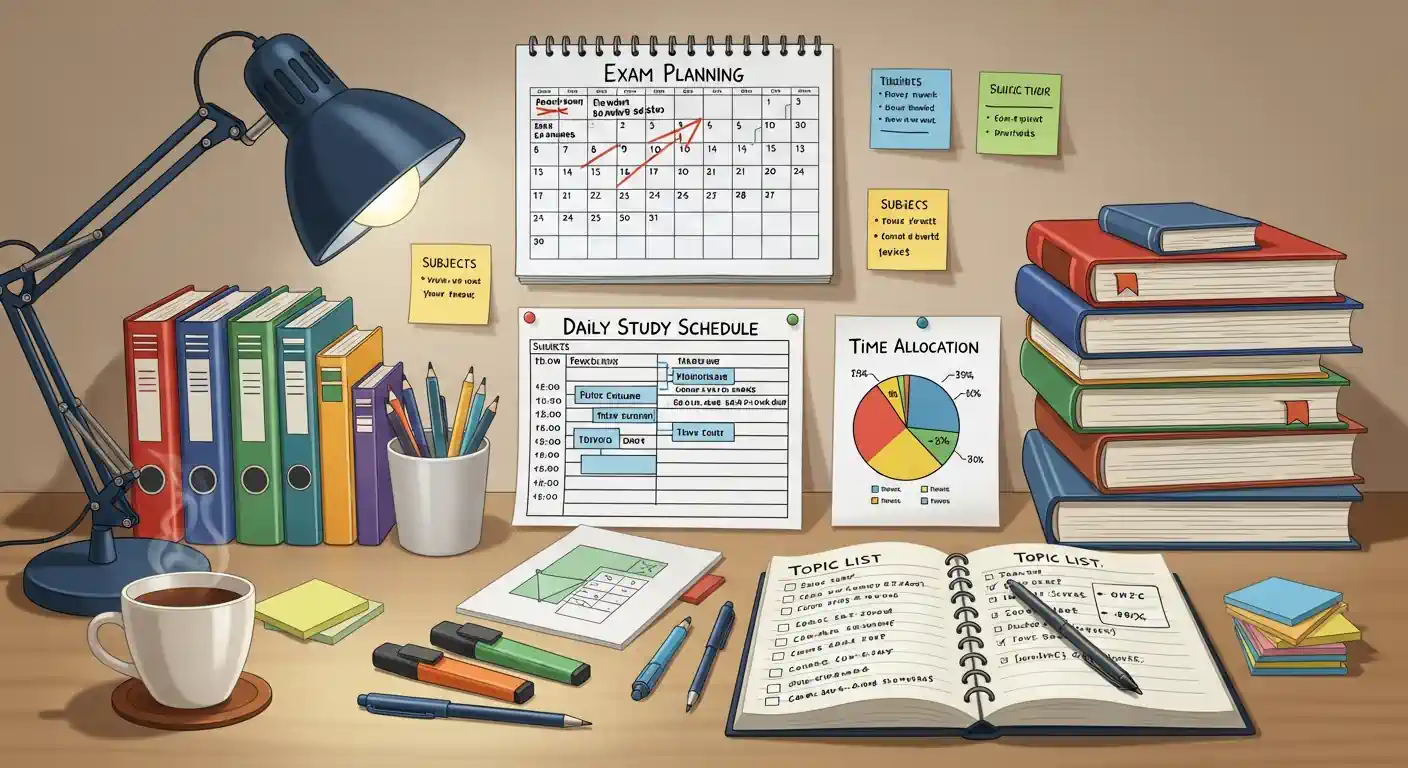
A well-structured study schedule is the backbone of successful exam success strategies. Begin by "reverse planning" from your exam dates, allocating specific time slots for each subject and topic. Break down large tasks into smaller, manageable chunks to avoid feeling overwhelmed. Integrate short breaks to maintain focus and prevent burnout. Remember, consistency is more important than cramming, so aim for regular, focused study sessions. This approach is a core component of effective time management for exams.
Setting Realistic Goals and Milestones
Setting achievable goals throughout your preparation journey is vital for motivation. Define what you want to accomplish in each study session, day, or week. These could be completing a chapter, mastering a specific concept, or finishing a set of practice questions. Celebrate these small victories to maintain your enthusiasm and track your progress. Realistic milestones help you stay accountable and provide a clear sense of achievement, reinforcing your commitment to strategic exam preparation.
Mastering Effective Study Techniques for Top Grades
Once your plan is in place, the next step in your roadmap to top grades involves adopting proven study techniques that maximize learning and retention. Moving beyond passive reading is essential for deeper understanding and recall.
Active Recall and Spaced Repetition
These two techniques are cornerstones of highly effective learning. Active recall involves actively retrieving information from memory rather than passively re-reading it. This could be through flashcards, self-quizzing, or explaining concepts aloud. Spaced repetition involves reviewing material at increasing intervals over time. Research by Roediger and Karpicke (2006) on the "testing effect" strongly supports the efficacy of active recall for long-term retention. Integrating these methods into your routine is crucial for developing study methods for high scores.
The Power of Practice: Past Papers and Mock Exams
Simulating exam conditions is one of the most powerful effective study techniques. Work through past papers and mock exams under timed conditions to familiarize yourself with the format, identify areas for improvement, and practice your pacing. This not only builds confidence but also helps you understand the types of questions you'll encounter. Regularly engaging with practice questions is a direct answer to how to prepare for exams effectively. A study published in the Journal of Educational Psychology (2023) highlighted that students who consistently used practice tests performed significantly better than those who relied solely on re-reading.
Collaborative Learning and Peer Teaching
Studying with peers can offer unique advantages. Explaining concepts to others forces you to articulate your understanding, revealing any gaps in your knowledge. Group discussions can also expose you to different perspectives and problem-solving approaches. Just be sure to keep group sessions focused and productive, ensuring they contribute positively to your exam success strategies. For deeper dives into specific effective study techniques, consider exploring our articles on memory enhancement.
Optimizing Your Well-being for Peak Exam Performance
Your physical and mental health are inextricably linked to your academic performance. Neglecting your well-being can undermine even the most diligent strategic exam preparation. Prioritizing self-care is not a luxury; it's a necessity for achieving your roadmap to top grades.
Nutrition and Hydration: Fueling Your Brain
What you eat and drink significantly impacts your cognitive function. Opt for a balanced diet rich in whole grains, fruits, vegetables, and lean proteins. Avoid excessive sugar and processed foods, which can lead to energy crashes. Staying well-hydrated is also critical, as even mild