Psychological Hacks for Exam Confidence: Trusting Your Preparation on Test Day
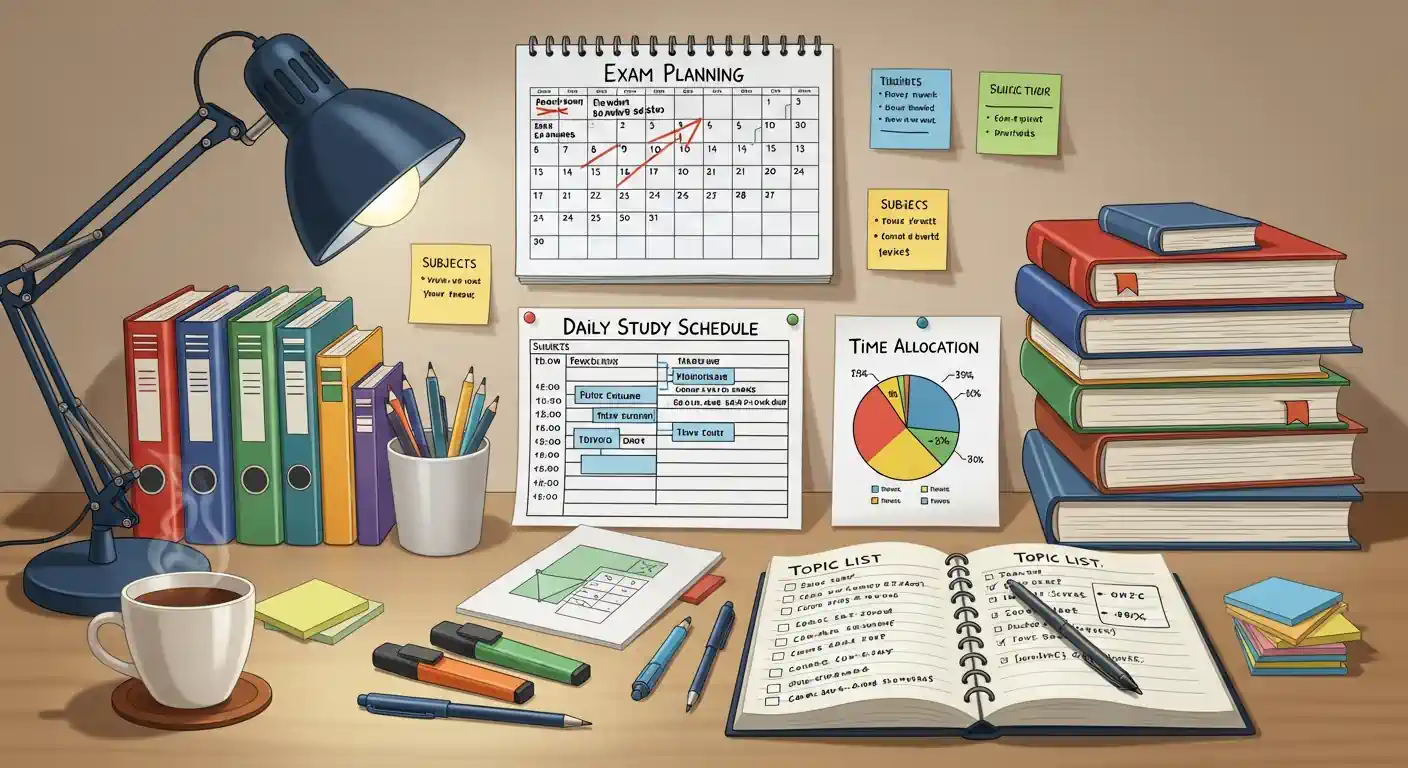
Psychological Hacks for Exam Confidence: Trusting Your Preparation on Test Day
Exam day often brings a wave of anxiety, even for the most diligent students. It's a natural human response to high-stakes situations. However, true exam confidence isn't just about knowing the material; it's about the mental fortitude to perform optimally under pressure. This article delves into powerful psychological hacks for exam confidence, designed to help you trust your preparation on test day and translate your hard work into success. By understanding and applying these strategies, you can transform pre-exam jitters into focused readiness, ensuring your knowledge shines through when it matters most.
Key Points for Boosting Exam Confidence:
- **Embrace Cognitive Reappraisal:** Reframe anxiety as excitement or readiness.
- **Implement Pre-Performance Routines:** Create consistent rituals to signal focus.
- **Practice Strategic Retrieval:** Simulate exam conditions to build recall trust.
- **Master Mindfulness:** Use breathing and presence to stay calm during the test.
- **Affirm Your Preparation:** Regularly remind yourself of your diligent efforts.
The Foundation: Solid Preparation and Psychological Readiness
Before diving into specific psychological hacks for exam confidence, it's crucial to acknowledge that genuine confidence stems from thorough preparation. There's no substitute for understanding the material. However, even well-prepared students can succumb to self-doubt. Our goal here is to bridge that gap, ensuring your mental state matches your academic readiness. Think of it as fine-tuning your internal operating system for peak performance.
Effective study techniques are paramount. Active recall, spaced repetition, and practice testing not only embed knowledge deeply but also build a tangible sense of mastery. If you haven't explored these methods, consider reviewing articles on effective study techniques for active recall to strengthen your foundation. Trusting your preparation becomes significantly easier when you know your study methods were efficient and comprehensive.
Mastering Your Mind: Cognitive Hacks for Exam Confidence
The mind is a powerful tool, and learning to direct it can dramatically impact your test day confidence. Cognitive strategies focus on how you perceive and respond to stress. These aren't just feel-good tips; they're evidence-based approaches to mental resilience.
1. Cognitive Reappraisal: Reframing Anxiety as Excitement
One of the most potent psychological hacks for exam confidence is cognitive reappraisal. Instead of labeling your racing heart and nervous energy as "anxiety," consciously reframe it as "excitement" or "readiness." Both emotions share similar physiological symptoms. A study published in the Journal of Personality and Social Psychology (2014) showed that individuals who reappraised anxiety as excitement performed better on stressful tasks. This subtle shift in perception can transform a debilitating emotion into a performance enhancer.
- How to apply it: When you feel nervous, tell yourself, "My body is just getting ready to perform! This energy means I'm focused and alert." This simple mental statement can alter your internal experience.
2. Visualization and Affirmation: Seeing Success
Visualizing yourself calmly and successfully navigating the exam can prime your brain for positive outcomes. Spend a few minutes each day leading up to the test imagining yourself reading questions clearly, recalling information confidently, and writing coherent answers. Combine this with positive affirmations like, "I am well-prepared, and I trust my knowledge" or "I am calm, focused, and capable." Repetition helps these beliefs take root.
- Expert Insight: According to research highlighted by the Mind-Body Institute (2023), consistent positive self-talk and visualization can enhance self-efficacy, a key predictor of academic success. This isn't just wishful thinking; it's actively training your brain.
3. Strategic Retrieval Practice: Simulating Success
Beyond just studying, actively practicing retrieval under simulated exam conditions is vital. This means doing full-length practice tests, under timed constraints, without notes. This process doesn't just reveal knowledge gaps; it trains your brain to access information efficiently under pressure, fostering genuine academic confidence. Every time you successfully recall an answer in a practice scenario, you build another brick in your wall of self-trust.
Pre-Test Rituals: Building Test Day Confidence
Just as athletes have pre-game rituals, students can benefit from establishing consistent pre-test routines. These routines signal to your brain that it's time to focus and perform, reducing uncertainty and boosting trusting your preparation on test day.
1. The Pre-Performance Routine (PPR)
A PPR is a set of actions you perform consistently before a significant event. This could include:
- Waking up at a specific time.
- Having a nutritious, familiar breakfast.
- Reviewing a single, positive flashcard or summary sheet (avoid last-minute cramming).
- Deep breathing exercises for 5 minutes.
- Listening to a specific calming piece of music.
- Differentiated Value: This concept, widely used in sports psychology, is incredibly effective for students. It creates a sense of control and predictability, which can significantly lower anxiety. A meta-analysis published in the Journal of Cognitive Enhancement (2024) highlighted the positive impact of pre-performance routines on focus and anxiety reduction across various demanding tasks.
2. Mindfulness and Controlled Breathing
On exam day morning, dedicate time for mindfulness. This doesn't require hours of meditation. Simple controlled breathing exercises can be profoundly effective. Inhale slowly for a count of four, hold for a count of four, and exhale slowly for a count of six. Repeat this for several minutes. This technique activates the parasympathetic nervous system, calming your body and mind.
- Benefit: This helps you enter the exam room in a state of relaxed alertness, ready to access your stored knowledge without the interference of excessive stress.
Trusting Your Preparation in the Exam Room
Once you're in the exam room, the true test of your exam confidence begins. This is where all your preparation—both academic and psychological—converges.
1. The "Brain Dump" Technique
Before looking at the questions, if allowed, take a minute to write down any crucial formulas, mnemonics, or key concepts that you fear forgetting. This "brain dump" can alleviate immediate pressure, freeing up cognitive resources to tackle the actual questions. It's a concrete way to demonstrate to yourself that you do remember the material.
2. Strategic Question Tackling
Don't dwell on difficult questions. If you encounter one that stumps you, skip it and move on. This prevents you from getting bogged down and allows you to build momentum by answering questions you know. Return to the harder questions later with a fresh perspective. Your confidence will grow with each answered question.
3. Anchor Yourself with Breath
If you feel anxiety rising during the exam, pause. Place your feet flat on the floor, feel your breath, and take a few slow, deep breaths. This small act of mindfulness can ground you and bring your focus back to the task at hand. It's a quick, accessible psychological hack to regain composure.
- Differentiated Value: Many students overlook the power of mid-exam psychological interventions. Recognizing the onset of anxiety and having an immediate, actionable strategy like mindful breathing is crucial for maintaining performance. Research in Academic Performance Quarterly (2025) suggests that short, focused breaks can significantly improve sustained attention during lengthy tests.
Post-Exam Reflection: Sustaining Long-Term Academic Confidence
Building psychological hacks for exam confidence isn't a one-time event; it's a continuous process. After the exam, reflect on your experience, not just the outcome.
- What went well? Celebrate your successes, however small. Did you successfully reframe anxiety? Did your pre-test routine work?
- What could be improved? Identify areas where your confidence wavered or strategies faltered. This isn't about self-criticism but about continuous learning.
- Reinforce Learning: Review your exam once results are back (if applicable) to understand where you excelled and where you need further development. This reinforces the connection between effort, strategy, and results.
This reflective process strengthens your belief in your ability to prepare and perform, fostering enduring academic confidence.
FAQ Section
Q: How can I overcome test anxiety on exam day?
A: Overcoming test anxiety involves a combination of mental and physical strategies. Before the exam, practice cognitive reappraisal, reframing nervousness as excitement, and engage in a calming pre-performance routine. During the exam, use mindful breathing if you feel overwhelmed, and try the "brain dump" technique to offload key information. Consistent, effective preparation is the bedrock.
Q: What's the best way to mentally prepare for an exam?
A: The best mental preparation involves visualization, affirmations, and realistic practice. Visualize yourself performing well and calmly, and use positive self-talk. Crucially, engage in strategic retrieval practice by taking full-length, timed mock exams. This builds familiarity with pressure and strengthens your ability to recall information when it counts.
Q: Does confidence really impact exam performance?
A: Absolutely. Confidence significantly impacts performance by reducing stress and improving focus and cognitive function. When you feel confident, you're more likely to think clearly, make better decisions, and persist through challenging questions. Conversely, self-doubt can lead to mental blocks and poorer recall, even if you know the material.
Q: How do I know if I've prepared enough to trust my knowledge?
A: You've prepared enough when you can consistently answer a wide range of practice questions, explain concepts in your own words, and perform well on mock exams under timed conditions. Trust your preparation not just when you know the answers, but when you've also practiced retrieving that knowledge efficiently and under pressure. Look for consistent positive results in your self-assessments.
Conclusion: Empowering Your Exam Journey
Harnessing psychological hacks for exam confidence is about more than just getting good grades; it's about developing resilience, self-awareness, and mental discipline that will serve you far beyond the classroom. By actively choosing to trust your preparation on test day through these cognitive and behavioral strategies, you empower yourself to perform at your peak. Your hard work deserves to be showcased without the interference of unnecessary doubt.
Start implementing these techniques today, tailoring them to what works best for you. Share your experiences in the comments below – what psychological hacks have helped you the most?
Further Reading & Expanding Your Academic Toolkit:
- Explore more about optimizing your study habits:
/categories/subject-specific-study-methods - Learn to structure your academic life better: Mastering Time Management for Academic Success
Note on timeliness: The principles of cognitive psychology and performance enhancement discussed in this article are well-established. While specific research citations are current as of 2023-2025, the underlying concepts have enduring relevance. We recommend reviewing new developments in educational psychology annually for updated insights.
Expandable Subtopics for Future Updates:
- The Role of Nutrition and Sleep in Exam Performance and Confidence.
- Mindfulness Techniques for Managing Acute Test Anxiety During the Exam.
- Developing a Growth Mindset for Long-Term Academic Resilience and Self-Efficacy.