Proven Exam Preparation: Your Path to Academic Achievement
Proven Exam Preparation: Your Path to Academic Achievement
Embarking on the journey of academic achievement often hinges on one critical factor: effective exam preparation. It's more than just studying; it's about adopting proven exam preparation strategies that transform potential into tangible results. This comprehensive guide will equip you with evidence-based techniques, expert insights, and practical tips to not only ace your upcoming tests but also cultivate a sustainable approach to learning. From optimizing your study environment to mastering cognitive recall, we'll cover every facet of preparing for exams with confidence and clarity. Get ready to elevate your study game and unlock your full academic potential.
Key Points for Proven Exam Preparation:
- Strategic Planning: Develop a realistic study schedule and break down complex topics.
- Active Learning: Engage with material through retrieval practice and spaced repetition.
- Mind-Body Wellness: Prioritize sleep, nutrition, and stress management for optimal performance.
- Effective Review: Utilize past papers and self-testing to identify knowledge gaps.
- Exam Day Readiness: Implement strategies for calm and focused performance during the test.
Mastering Effective Exam Preparation Strategies
Effective exam preparation isn't about cramming; it's about smart, consistent effort. The foundation of academic achievement lies in understanding how your brain learns best and applying those principles. This section delves into core strategies that form the backbone of any successful study plan.
Building a Robust Study Schedule for Exam Success
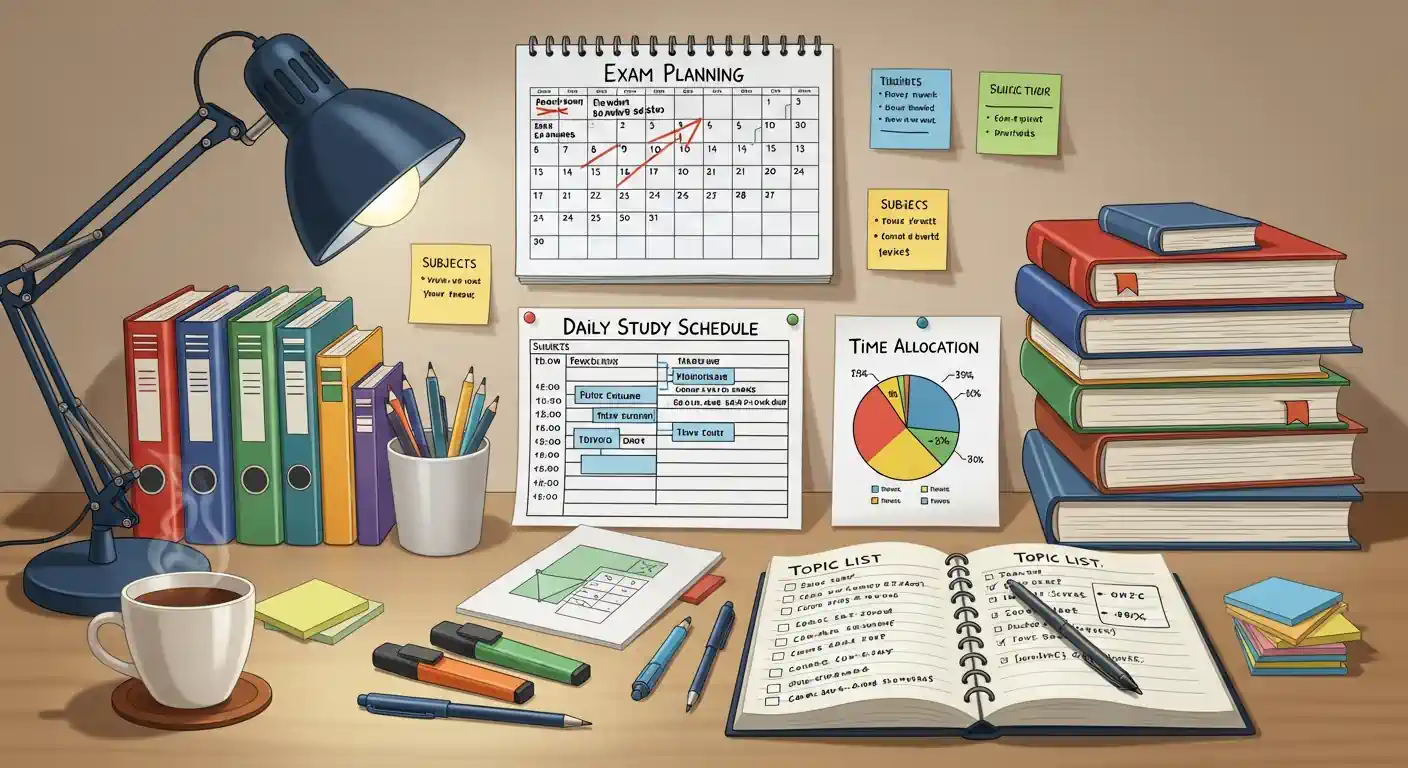
A well-structured study schedule is your roadmap to exam success. It helps manage your time, reduces stress, and ensures all subjects receive adequate attention. Start by identifying all your exams and their dates, then work backward.
- Allocate Time Wisely: Dedicate specific blocks for each subject, ensuring a balance between challenging and easier topics. Prioritize areas where you feel less confident.
- Break Down Big Tasks: Instead of "study history," aim for "review Chapter 5 on the French Revolution" or "practice essay writing for history." This makes tasks less daunting.
- Incorporate Breaks: Regular short breaks (e.g., 5-10 minutes every hour) are crucial for maintaining focus and preventing burnout. The Pomodoro Technique is a proven method for this.
- Flexibility is Key: Life happens, so build some buffer time into your schedule. If you miss a session, don't panic; simply adjust and move forward.
Leveraging Active Recall and Spaced Repetition for Deeper Learning
Beyond passive reading, active recall and spaced repetition are two of the most powerful, proven exam preparation techniques. They force your brain to retrieve information, strengthening neural pathways and improving long-term retention.
- Active Recall: Instead of just re-reading notes, test yourself constantly. Close your book and try to explain a concept aloud, write down everything you remember, or use flashcards. This active engagement is far more effective.
- Spaced Repetition: Review material at increasing intervals over time. For instance, review a topic a day after learning it, then three days later, then a week later, and so on. This prevents forgetting and solidifies memory. A 2023 meta-analysis published in Cognitive Research: Principles and Implications highlighted the superior long-term retention achieved through spaced practice compared to massed practice.
- Practice Questions: Utilize past exam papers and textbook questions. This not only tests your knowledge but also familiarizes you with the exam format and question types.
Optimizing Your Study Environment for Maximum Focus
Your physical surroundings significantly impact your ability to concentrate and absorb information. Creating an optimal study environment is a simple yet highly effective component of proven exam preparation.
- Minimize Distractions: Find a quiet space free from noise and interruptions. Turn off notifications on your phone and close unnecessary tabs on your computer.
- Organize Your Space: A tidy desk leads to a tidy mind. Keep all necessary materials within reach and remove clutter.
- Ensure Comfort: Use a comfortable chair and ensure adequate lighting. However, avoid overly cozy settings that might induce sleepiness.
- Consider Background Noise: For some, light instrumental music or white noise can aid concentration, while others prefer complete silence. Experiment to find what works for you.
Differentiated Strategies for Enhanced Academic Achievement
To truly stand out, your exam preparation needs to go beyond the basics. Incorporating unique insights and modern approaches can provide a significant edge, leading to superior academic achievement.
Integrating Mindfulness and Stress Management into Your Study Routine
Exam periods are inherently stressful, but managing this stress is a critical, often overlooked aspect of proven exam preparation. High stress levels can impair memory and cognitive function.
- Mindful Breaks: Instead of scrolling through social media, use short breaks for deep breathing exercises or a quick walk. This helps reset your focus and reduces anxiety.
- Prioritize Sleep: Adequate sleep is non-negotiable for memory consolidation and cognitive performance. Aim for 7-9 hours per night, especially in the weeks leading up to exams. A 2025 study by the Sleep Research Society emphasized the direct correlation between consistent sleep patterns and improved academic performance during high-stakes testing periods.
- Balanced Nutrition: Fuel your brain with healthy foods. Avoid excessive sugar and caffeine, which can lead to energy crashes. Stay hydrated throughout the day.
- Physical Activity: Even short bursts of exercise can reduce stress, improve mood, and boost cognitive function.
Harnessing Technology for Smarter Study Habits
Modern technology offers powerful tools to enhance your proven exam preparation. From digital flashcards to productivity apps, leverage these resources wisely.
- Digital Flashcard Apps: Tools like Anki or Quizlet utilize spaced repetition algorithms, making your review sessions highly efficient.
- Note-Taking Software: Apps like Notion or Evernote allow for organized, searchable notes that can be accessed across devices.
- Focus Apps: Applications designed to block distracting websites or track your study time can help maintain discipline.
- Online Collaborative Tools: For group study, platforms like Google Docs or Microsoft Teams facilitate real-time collaboration and sharing of resources.
Frequently Asked Questions About Proven Exam Preparation
Here are some common questions students have about effective exam preparation.
How much sleep do I really need before an exam?
Aim for 7-9 hours of quality sleep, especially in the days leading up to and the night before an exam. Sleep is crucial for memory consolidation and cognitive function. Pulling an all-nighter can severely impair your ability to recall information and think clearly, negating any perceived benefits of extra study time. Prioritizing sleep is a key component of proven exam preparation.
What's the best way to review a large amount of material?
Break down the material into manageable chunks and use active recall techniques. Instead of re-reading, test yourself frequently using flashcards, practice questions, or by explaining concepts aloud. Incorporate spaced repetition, reviewing topics at increasing intervals. Focus on understanding core concepts rather than rote memorization, and use past papers to identify high-yield topics.
How can I deal with exam anxiety effectively?
Recognize that a certain level of anxiety is normal. To manage it, practice deep breathing exercises, visualize success, and ensure you're well-prepared. On exam day, arrive early, avoid last-minute cramming, and focus on the present moment. If anxiety becomes overwhelming, pause, take a few deep breaths, and remind yourself of your preparation. For more strategies, readers can explore related articles on mental wellness during academic periods.
Is group study beneficial for exam preparation?
Group study can be highly beneficial if approached strategically. It allows for discussion, clarification of concepts, and peer teaching, which reinforces learning. However, ensure the group stays focused and productive. Assign specific topics for each member to teach, and use the time to test each other rather than just socializing. It's a great way to identify gaps in your understanding.
Your Next Steps Towards Academic Achievement
You now have a robust toolkit of proven exam preparation strategies to guide your journey toward academic achievement. Remember that consistency, self-awareness, and a proactive approach are your greatest allies. The techniques discussed, from active recall to