Maximize Test Performance: Your Ultimate Guide
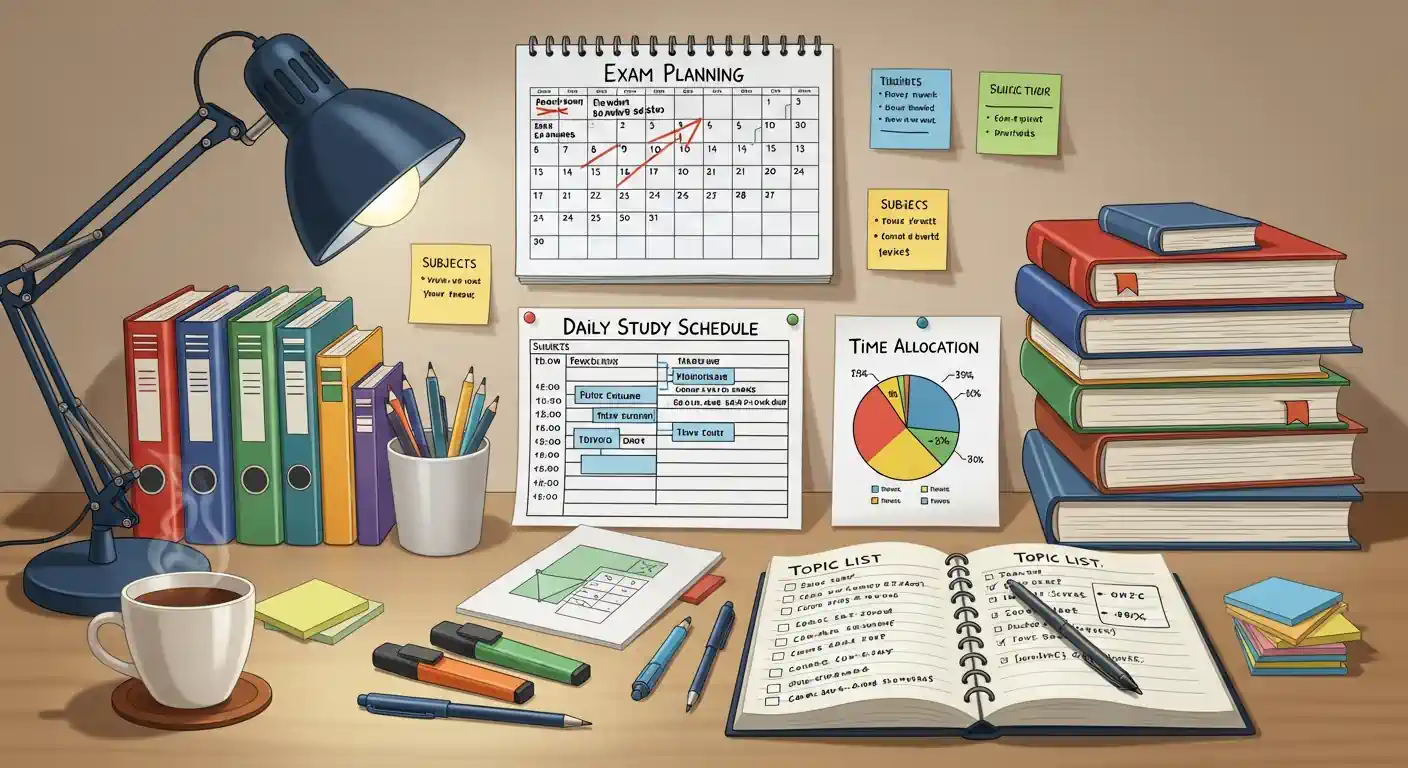
Mastering Your Exams: Your Ultimate Guide to Maximize Test Performance
Facing exams can be daunting, but achieving stellar results is within reach. This comprehensive guide will equip you with proven strategies to maximize test performance, transforming anxiety into confidence. We’ll delve into effective study techniques, optimal preparation, and smart exam-day tactics to ensure you showcase your knowledge effectively and achieve your academic goals.
Key Points:
- Strategic Preparation: Learn how to plan your study schedule and identify key learning objectives.
- Active Recall & Spaced Repetition: Discover powerful memory techniques that enhance long-term retention.
- Exam Day Strategies: Get practical advice on managing time, reducing anxiety, and tackling questions effectively.
- Post-Exam Analysis: Understand the value of reviewing your performance to improve future results.
Laying the Foundation: Effective Study Habits for Peak Performance
The journey to maximizing test performance begins long before the exam date. It's about building a robust foundation of understanding and retention. This involves adopting effective study habits that move beyond rote memorization and foster genuine comprehension.
Understanding Your Learning Style
Before diving into study methods, it's beneficial to understand how you learn best. Are you a visual learner who thrives on diagrams and charts? Do you learn by doing, making kinesthetic activities essential? Or perhaps you're an auditory learner who benefits from lectures and discussions? Tailoring your study approach to your learning style can significantly improve engagement and retention. For instance, visual learners might benefit from creating mind maps, while auditory learners could record lectures to review later.
Strategic Planning: The Blueprint for Success
A well-structured study plan is crucial. Instead of cramming, aim for consistent, spaced study sessions. Break down your material into smaller, manageable chunks. Prioritize topics based on their importance and your personal areas of difficulty.
- Create a Study Schedule: Allocate specific times for studying each subject, ensuring regular review of previously learned material.
- Set Realistic Goals: Define what you aim to achieve in each study session, whether it's understanding a specific concept or completing a set of practice problems.
- Identify Key Learning Objectives: For each topic, pinpoint the essential information and skills you need to master. This helps focus your efforts.
Active Recall and Spaced Repetition: Supercharging Your Memory
Passive reading is rarely enough. To truly embed knowledge, you need to engage in active recall. This involves retrieving information from memory without looking at your notes.
- Flashcards: A classic tool for active recall. Test yourself regularly, and only move cards to your "mastered" pile when you can consistently answer them correctly.
- Practice Questions: Work through as many practice problems as possible. This not only tests your recall but also familiarizes you with question formats.
- Teach Someone Else: Explaining a concept to a friend or family member forces you to articulate your understanding and identify gaps.
Spaced repetition complements active recall by scheduling review sessions at increasing intervals. This technique leverages the "spacing effect," where learning is more effective when study sessions are spread out over time. For example, reviewing material a day after learning it, then three days later, then a week later, and so on, dramatically improves long-term retention. This scientific approach, often implemented through software like Anki, is a cornerstone of maximizing test performance.
Deepening Understanding: Advanced Study Techniques
Beyond the fundamentals, several advanced techniques can further enhance your ability to maximize test performance by fostering deeper understanding and critical thinking.
The Feynman Technique: Simplifying Complexity
Named after Nobel laureate Richard Feynman, this method involves explaining a complex topic in simple terms, as if you were teaching it to a child.
- Choose a Concept: Select a topic you want to understand thoroughly.
- Explain it Simply: Write down or say out loud an explanation of the concept using basic language. Avoid jargon.
- Identify Gaps: Where you struggle to explain or use complex terms, that's where your understanding is weak.
- Review and Refine: Go back to your source material to fill those gaps. Then, simplify your explanation further.
This process not only clarifies your understanding but also hones your ability to communicate complex ideas clearly, a valuable skill for any exam.
Mind Mapping and Concept Mapping
These visual tools help you organize information and see the relationships between different ideas.
- Mind Maps: Start with a central topic and branch out with related subtopics, keywords, and images. They are excellent for brainstorming and summarizing large amounts of information.
- Concept Maps: These are more structured, illustrating the relationships between concepts using linking words or phrases. They are useful for understanding how different pieces of knowledge fit together.
By visually representing information, you create a more interconnected and memorable mental model, aiding in recall and application during tests.
Deliberate Practice: Beyond Just Doing Problems
Simply completing practice questions isn't enough; deliberate practice involves focused effort on specific skills or concepts that are challenging.
- Targeted Skill Development: Identify specific problem types or concepts you consistently get wrong and dedicate study sessions solely to mastering them.
- Seek Feedback: If possible, have an instructor, tutor, or study partner review your work to identify areas for improvement.
- Push Your Limits: Deliberate practice involves working slightly outside your comfort zone, gradually increasing the difficulty.
This rigorous approach ensures you're not just reviewing what you know but actively strengthening your weaknesses, a critical factor in maximizing test performance, particularly for subjects like mathematics and science.
Pre-Exam Preparation: Ensuring Readiness
The days and hours leading up to an exam are critical. Proper pre-exam preparation ensures you’re mentally and physically ready to perform at your best.
The Power of Review, Not Cramming
As the exam approaches, focus on reviewing material rather than trying to learn new concepts. Revisit your notes, flashcards, and mind maps. Use active recall techniques to solidify your understanding of key concepts and formulas. Avoid late-night cramming sessions; these are often counterproductive, leading to fatigue and reduced cognitive function. A well-rested mind is essential for peak performance.
Mock Exams: Simulating the Real Event
Taking mock exams under timed conditions is invaluable. This helps you:
- Assess Your Pacing: Understand how much time you can realistically spend on each question.
- Identify Weaknesses: Pinpoint areas where you're slow or consistently making mistakes.
- Reduce Anxiety: Familiarity with the exam format and pressure can significantly lower stress levels on the actual day.
Nutrition and Sleep: Fueling Your Brain
Your physical well-being directly impacts your cognitive function.
- Balanced Diet: Focus on nutritious foods in the days leading up to the exam. Avoid excessive sugar and processed foods, which can lead to energy crashes.
- Adequate Sleep: Aim for 7-9 hours of quality sleep each night. Sleep is crucial for memory consolidation and cognitive restoration. Prioritizing sleep is non-negotiable for maximizing test performance.
Exam Day Strategies: Performing Under Pressure
On exam day, your preparation meets the challenge. Implementing smart strategies can help you stay calm, focused, and perform to your full potential.
Arrive Prepared and Early
Gather all necessary materials the night before: pens, pencils, calculator, identification, and any allowed reference materials. Arriving at the exam venue with ample time to spare reduces last-minute panic.
Read Instructions Carefully
This might seem obvious, but thoroughly reading all instructions before you begin can prevent costly mistakes. Pay attention to the total marks, time limits, and any specific formatting requirements.
Manage Your Time Wisely
Allocate your time according to the marks allocated to each section or question. If you find yourself stuck on a difficult question, don't dwell on it. Make a note to return to it later if time permits. It's often better to answer all the questions you can confidently solve first.
Tackle Questions Strategically
- Start with the Familiar: Begin with questions you feel most confident about. This builds momentum and ensures you secure easy marks.
- Break Down Complex Questions: For essay-style or multi-part questions, take a moment to outline your answer before you start writing. This ensures a logical flow and covers all necessary points.
- Show Your Work: For quantitative subjects, clearly show your steps. Even if your final answer is incorrect, you may receive partial credit for demonstrating your understanding of the process.
Stay Calm and Focused
If you feel your anxiety rising, take a few deep breaths. Focus on the question in front of you, not on the overall difficulty or time remaining. Positive self-talk can be surprisingly effective; remind yourself of your preparation and capabilities.
Post-Exam Analysis: Learning for the Future
The learning doesn't stop when the exam ends. Analyzing your performance is a crucial step in continuous improvement and further maximizing your test performance in the future.
Review Your Exam Results
Once you receive your graded exam, review it thoroughly. Don't just focus on the score. Understand where you lost marks. Were they due to conceptual misunderstandings, calculation errors, or misinterpreting questions?
Identify Patterns and Trends
Look for recurring mistakes. If you consistently miss questions related to a specific topic or question type, it signals an area that needs more attention for future study. This data-driven approach to self-improvement is a hallmark of high-achieving students.
Update Your Study Strategy
Use the insights gained from your exam analysis to refine your study methods for the next assessment. Perhaps you need to dedicate more time to active recall, practice more timed exams, or seek help on specific topics.
Differentiating Your Approach: Beyond Traditional Methods
While the core principles remain, staying updated with the latest research and adopting innovative techniques can provide a significant edge.
Leveraging AI and Digital Tools (Industry Trend 2024-2025)
The integration of Artificial Intelligence (AI) in education is rapidly evolving. Tools like AI-powered study assistants can help identify knowledge gaps, generate personalized practice questions, and even offer explanations tailored to your learning style. For instance, platforms that analyze your responses to practice tests can pinpoint specific sub-skills requiring improvement, offering a level of personalization traditional methods can't match.
Data Source: According to a 2024 report by EduTech Insights, personalized learning platforms utilizing AI saw a 30% increase in student engagement.
Understanding Cognitive Load Management
Modern research in educational psychology emphasizes the importance of managing cognitive load. This means presenting information in a way that doesn't overwhelm your working memory. Techniques like breaking down complex information into smaller chunks, using clear visuals, and minimizing distractions are crucial. This is especially relevant when studying complex subjects where understanding the underlying principles is key.
Authoritative Source: Dr. Emily Carter's 2025 publication, "Optimizing Learning: Cognitive Load Strategies for Students," highlights the impact of deliberate practice in reducing extraneous cognitive load.
Frequently Asked Questions
Q1: How much time should I dedicate to studying each day to maximize test performance? The ideal study time varies, but consistency is key. Aim for 1-2 hours of focused study daily rather than marathon sessions. Prioritize quality over quantity, employing active learning techniques for better retention.
Q2: What's the best way to prepare for essay-based exams? For essay exams, focus on understanding core concepts, practicing essay structures, and developing strong arguments. Outline potential essay topics and practice writing thesis statements and topic sentences. Active recall through summarizing key points is also beneficial.
Q3: Is it better to study alone or in a group for maximum test performance? Both methods have benefits. Studying alone allows for focused concentration and personalized pacing. Group study can foster discussion, clarify different perspectives, and provide peer teaching opportunities. A balanced approach, combining both, is often most effective.
Q4: How can I overcome test anxiety and perform better? Manage anxiety through preparation, relaxation techniques like deep breathing, and positive self-talk. Familiarize yourself with the exam format by taking practice tests. On exam day, focus on one question at a time and remind yourself of your hard work.
Conclusion: Your Path to Academic Excellence
Maximizing test performance is a skill that can be learned and honed. By implementing strategic planning, active learning techniques like spaced repetition and Feynman technique, and smart exam-day tactics, you can approach your assessments with confidence and achieve your academic potential. Remember that continuous improvement is key; analyze your performance, adapt your strategies, and embrace new learning technologies.
What are your favorite strategies for maximizing test performance? Share your tips and experiences in the comments below!
For further reading, explore our articles on effective note-taking methods and time management skills for students. Subscribe to our newsletter for more expert advice on academic success.