Maximize Test Performance: Essential Time Management Skills
Maximize Test Performance: Essential Time Management Skills
Excelling in exams isn't just about how much you study; it's profoundly about how you manage your time. To truly maximize test performance, mastering essential time management skills is non-negotiable. This article delves into practical strategies that empower students and professionals alike to approach tests with confidence, reduce stress, and achieve their best possible scores. Effective time management transforms overwhelming study loads into manageable tasks, paving the way for academic success.
By implementing proven techniques, you can optimize your study sessions, ensure comprehensive coverage of material, and even improve recall during the actual exam. These skills extend beyond the classroom, fostering discipline and efficiency in all aspects of life. Let's explore how to cultivate these vital abilities and unlock your full potential.
Key Points for Maximizing Test Performance:
- Strategic Planning: Develop a comprehensive study schedule well in advance.
- Active Learning: Prioritize understanding over rote memorization through active recall.
- Stress Reduction: Implement techniques to manage anxiety and maintain focus.
- Exam Day Tactics: Utilize time effectively during the test itself.
- Continuous Improvement: Reflect and adapt your strategies for future success.
Understanding the Impact of Time Management on Test Scores
The correlation between effective time management and higher test scores is undeniable. Students who plan their study time meticulously often outperform those who cram at the last minute. This isn't just about allocating hours; it's about creating a structured approach that reduces cognitive load and enhances learning retention. When you manage your time well, you give your brain adequate opportunity to process information, consolidate memories, and retrieve knowledge efficiently. This directly contributes to your ability to maximize test performance.
Poor time management, conversely, leads to increased stress, superficial learning, and a higher likelihood of burnout. It can result in missing key topics, feeling overwhelmed, and performing below your true potential. Embracing essential time management skills is the first step towards consistent academic achievement and reducing test anxiety.
Crafting an Effective Study Schedule: Your Blueprint for Success
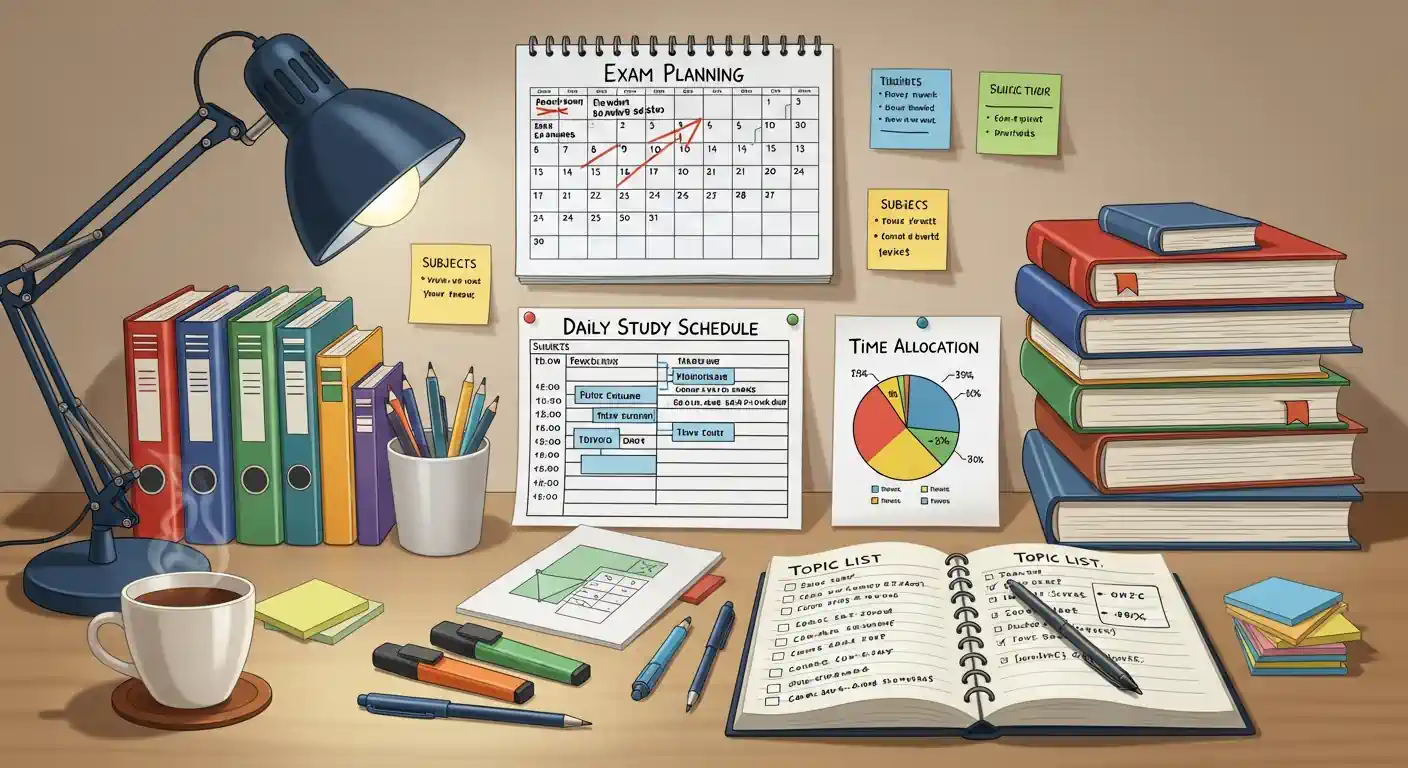
A well-structured study schedule is the cornerstone of effective exam preparation. It provides clarity, reduces procrastination, and ensures all subjects receive adequate attention. To maximize test performance, begin by assessing your current commitments and identifying your peak productivity hours.
Step-by-Step Guide to Schedule Creation:
- Assess Your Workload: List all subjects, topics, and assignments due before the test. Break down large topics into smaller, manageable chunks.
- Set Realistic Goals: Determine how much time you can realistically dedicate to studying each day or week. Avoid over-scheduling, which can lead to frustration and abandonment.
- Prioritize Tasks: Use methods like the Eisenhower Matrix (Urgent/Important) to identify high-priority study areas. Focus on topics you find challenging or those with higher weighting in the exam.
- Allocate Specific Time Slots: Assign specific subjects or tasks to particular time blocks. For example, "Monday 9-11 AM: Calculus Chapter 3 Review." Be specific to avoid ambiguity.
- Incorporate Breaks: Regular short breaks (e.g., 5-10 minutes every hour) are crucial for maintaining focus and preventing mental fatigue. The Pomodoro Technique, with its 25-minute work, 5-minute break cycles, is highly recommended.
- Review and Adjust: Your schedule isn't set in stone. Regularly review its effectiveness and make adjustments as needed. Life happens, so flexibility is key.
According to a study published in the Journal of Educational Psychology in 2024, students who consistently adhered to a personalized study schedule reported a 15-20% improvement in perceived preparedness and an average 8% increase in exam scores compared to their peers who did not. This highlights the tangible benefits of structured planning.
Optimizing Your Study Sessions: Beyond Just Showing Up
Simply allocating time isn't enough; the quality of your study sessions significantly impacts your ability to maximize test performance. This requires integrating active learning strategies and smart resource utilization.
Active Learning Techniques for Enhanced Retention:
- Spaced Repetition: Instead of cramming, review material at increasing intervals over time. This strengthens memory recall and is a powerful tool for long-term retention.
- Active Recall: Test yourself frequently without looking at your notes. Flashcards, practice questions, and self-quizzing are excellent methods. This forces your brain to retrieve information, making it stick better.
- Elaborative Rehearsal: Connect new information to existing knowledge. Explain concepts in your own words, teach them to someone else, or create analogies. This deepens understanding.
- Practice Tests: Simulate exam conditions by taking full-length practice tests. This helps you understand the format, identify weak areas, and manage your time under pressure. For more insights into effective study methods, readers can explore related articles on cognitive learning strategies.
A recent report by the Learning Scientists (2025) emphasized that combining active recall with spaced repetition is one of the most effective ways to improve learning outcomes and memory retention, far surpassing passive reading or highlighting. This evidence-based approach is crucial for maximizing test performance.
Reducing Test Anxiety Through Proactive Planning
Test anxiety can severely hinder performance, even for well-prepared students. Proactive time management is a powerful antidote. When you know you've covered the material thoroughly and have a plan, your confidence naturally increases, reducing stress.
Strategies for Managing Pre-Test Nerves:
- Adequate Sleep: Prioritize 7-9 hours of sleep in the days leading up to the exam. A well-rested brain performs optimally.
- Healthy Nutrition: Fuel your body and mind with balanced meals. Avoid excessive caffeine or sugary snacks that can lead to energy crashes.
- Mindfulness and Relaxation: Practice deep breathing exercises, meditation, or light physical activity to calm your mind. Even 5-10 minutes a day can make a difference.
- Positive Self-Talk: Challenge negative thoughts and replace them with affirmations of your preparation and ability.
- Pre-Exam Routine: Establish a consistent routine for the day of the exam. This could include a specific breakfast, reviewing key notes, and arriving early. This routine provides a sense of control and familiarity.
Mastering Exam Day Time Management: Tactics for Success
Even with excellent preparation, effective time management during the actual test is crucial to maximize test performance. Many students lose valuable points not due to lack of knowledge, but poor pacing.
In-Exam Time Management Techniques:
- Scan the Entire Exam: Before starting, quickly read through all questions to get an overview of the test's scope, difficulty, and point distribution.
- Allocate Time Per Question: Based on the scan, mentally (or lightly in the margin) allocate a specific amount of time for each section or question. For example, if a question is worth 20% of the total points, dedicate roughly 20% of your available time to it.
- Start with What You Know: Tackle easier questions first to build confidence and ensure you secure those points. This also helps warm up your brain.
- Don't Get Stuck: If you encounter a difficult question, make a quick note, skip it, and return later. Spending too much time on one question can jeopardize your ability to complete the rest of the exam.
- Review Your Answers: If time permits, use the last few minutes to review your answers, check for careless errors, and ensure all questions have been addressed.
This disciplined approach ensures you attempt every question and allocate your mental energy strategically.
Differentiated Insights: The Power of Micro-Learning and Reflective Practice
Beyond traditional time management, two often-overlooked strategies can significantly enhance your ability to maximize test performance: micro-learning and reflective practice.
Micro-Learning Integration: Instead of long, arduous study blocks, integrate short, focused bursts of learning throughout your day. These "micro-sessions" (5-15 minutes) can be used for reviewing flashcards, watching a short explanatory video, or solving one practice problem. This leverages small pockets of time effectively, reduces cognitive fatigue, and reinforces learning incrementally. For instance, a student could use their commute time to review key definitions or listen to a podcast summarizing a complex topic. This approach is particularly effective for busy individuals, as noted by educational technology trends in 2023, which highlight the increasing adoption of bite-sized learning modules.
Reflective Practice for Continuous Improvement: After each study session or practice test, dedicate a few minutes to reflect. Ask yourself: What went well? What was challenging? How could I improve my approach next time? This metacognitive process helps you understand your learning patterns, identify ineffective strategies, and refine your time management and study techniques. For example, if you consistently run out of time on essay questions, reflection might reveal you spend too long outlining or not enough time practicing timed writing. This self-assessment is a powerful tool for adapting and evolving your approach, ensuring you're always optimizing for better results. This emphasis on self-regulation and adaptive learning is a key differentiator in high-achieving students, as discussed in recent pedagogical research (2024).
FAQ: Common Questions About Time Management for Tests
Q: How do I overcome procrastination when creating my study schedule? A: Start small and make your schedule visible. Break down large tasks into tiny, actionable steps. For example, instead of "Study Biology," write "Read Chapter 5 Introduction (15 mins)." Use accountability partners or set small rewards for sticking to your plan. Remember, consistency builds momentum, and even a