Mastering Exam Strategies: Proven Techniques for Top Test Scores
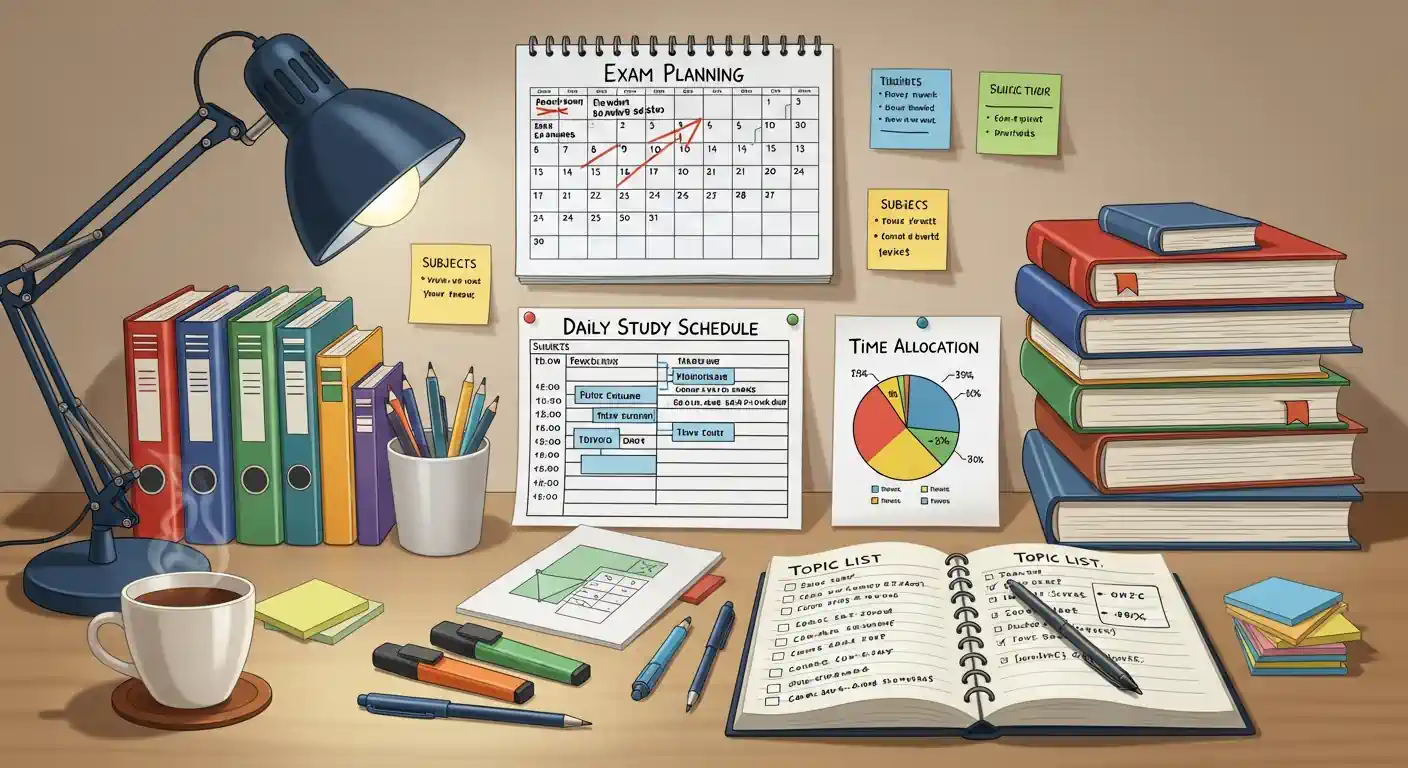
Exams can often feel like daunting hurdles, but with the right approach, they transform into opportunities to showcase your knowledge and achieve exceptional results. Mastering exam strategies is not about rote memorization; it's about understanding how to learn, retain information, and recall it effectively under pressure. This guide delves into proven techniques designed to boost your confidence and elevate your test scores, ensuring you're well-prepared for any academic challenge. By implementing these strategies, you can move from simply studying to strategically preparing for success.
Key Points:
- Strategic Planning: Develop a structured study schedule and set realistic goals.
- Active Recall: Employ techniques that force your brain to retrieve information.
- Effective Note-Taking: Summarize and synthesize information concisely.
- Practice and Simulation: Simulate exam conditions to build confidence and identify weaknesses.
- Mindset and Well-being: Prioritize mental and physical health for optimal performance.
Conquer Your Exams: Essential Strategies for Top Test Scores
Achieving top test scores requires more than just putting in hours of study; it demands a strategic and informed approach. This section breaks down the core components of effective exam preparation, focusing on actionable techniques that yield tangible results. We'll explore how to optimize your learning process from start to finish, ensuring you’re not just studying, but learning efficiently.
The Foundation: Building a Robust Study Plan
A well-structured study plan is the bedrock of successful exam preparation. Without one, you risk cramming, missing crucial topics, and feeling overwhelmed. Effective planning transforms a potentially chaotic process into a manageable and productive journey.
Setting SMART Goals
Before diving into textbooks, define what you want to achieve. SMART goals – Specific, Measurable, Achievable, Relevant, and Time-bound – provide clear direction. For example, instead of "study history," aim for "master the causes of World War I by completing chapter 5 and practicing essay questions by Friday."
Time Management Techniques
- The Pomodoro Technique: Work in focused bursts (e.g., 25 minutes) followed by short breaks (e.g., 5 minutes). This combats burnout and improves concentration.
- Time Blocking: Allocate specific blocks of time in your schedule for particular subjects or tasks. This ensures all areas receive adequate attention.
- Prioritization: Use methods like the Eisenhower Matrix to distinguish between urgent and important tasks, ensuring you tackle the most critical areas first.
Engaging with Your Material: Active Learning Techniques
Passive reading and highlighting are often insufficient. True learning occurs when you actively engage with the material. These methods encourage deeper understanding and better retention, crucial for mastering exam strategies.
Active Recall: The Power of Retrieval
This is arguably the most potent study technique. Instead of rereading notes, force your brain to retrieve information.
- Flashcards: Create flashcards with questions on one side and answers on the other. Test yourself regularly.
- Self-Quizzing: After reading a section, close your book and try to explain the key concepts in your own words. Write down what you remember.
- Mind Mapping: Create visual diagrams that connect concepts and ideas. This helps organize information and identify relationships between topics.
Spaced Repetition for Long-Term Retention
Avoid cramming! Spaced repetition involves reviewing material at increasing intervals. Information reviewed more frequently stays in your long-term memory. Apps like Anki or Quizlet can automate this process, ensuring you revisit topics just before you're likely to forget them. A 2024 study published in the Journal of Educational Psychology highlighted that learners using spaced repetition significantly outperformed those who did not, demonstrating its efficacy in enhancing long-term memory consolidation.
Mastering Note-Taking and Summarization
Effective note-taking isn't just about jotting down facts; it's about synthesizing information and making it your own. This skill is central to comprehensive study planning.
The Cornell Note-Taking System
This method divides your page into three sections: a main note-taking area, a cue column for keywords and questions, and a summary section at the bottom. After class or studying, fill in the cue column and summary, actively processing the information.
Concept Mapping and Outlining
- Concept Maps: Visually represent relationships between different concepts. This is particularly useful for complex subjects with interconnected ideas.
- Outlining: Create structured outlines of your notes. This hierarchical approach helps you see the main points and supporting details clearly.
Simulation and Practice: Rehearsing for Success
The best way to prepare for an exam is to practice under similar conditions. This builds familiarity, reduces anxiety, and highlights areas needing more work.
Mock Exams and Practice Questions
- Timed Practice: Complete practice tests within the allocated exam time. This hones your ability to manage time during the actual assessment.
- Past Papers: Utilize past exam papers whenever available. They offer invaluable insights into the format, question types, and difficulty level.
- Analyze Mistakes: Don't just check your answers; understand why you got them wrong. Was it a knowledge gap, a misinterpretation, or a silly error?
Differentiated Strategy: The Feynman Technique for Deep Understanding
A unique approach to solidify understanding is the Feynman Technique, named after Nobel Prize-winning physicist Richard Feynman. It involves explaining a concept in simple terms, as if teaching it to a child. This forces you to identify gaps in your knowledge and simplify complex ideas, ensuring genuine comprehension rather than superficial memorization. This technique is exceptionally useful for subjects like physics or advanced mathematics, providing a clear path to mastering complex topics.
Mindset and Well-being: The Unsung Heroes
Your mental and physical state significantly impacts your ability to perform. Neglecting these can sabotage even the best study plans.
Stress Management Techniques
- Mindfulness and Meditation: Even a few minutes daily can reduce anxiety and improve focus.
- Deep Breathing Exercises: Simple yet effective for calming nerves before and during an exam.
- Positive Self-Talk: Replace negative thoughts with encouraging affirmations.
The Importance of Sleep and Nutrition
- Adequate Sleep: Aim for 7-9 hours of quality sleep per night. Sleep is crucial for memory consolidation. A report by the National Sleep Foundation (2023) emphasizes that sleep deprivation severely impairs cognitive functions, including learning and recall.
- Balanced Diet: Fuel your brain with nutritious foods. Avoid excessive sugar and processed snacks that can lead to energy crashes.
Leveraging Technology for Enhanced Learning
Modern tools can significantly augment traditional study methods. Explore these options to personalize your exam preparation strategy.
- Study Apps: Utilize apps for flashcards, note-taking, and spaced repetition (e.g., Anki, Quizlet, Evernote).
- Online Resources: Access educational videos (e.g., Khan Academy, YouTube), interactive simulations, and academic journals.
- Digital Planners: Organize your schedule, set reminders, and track progress digitally.
Frequently Asked Questions About Mastering Exam Strategies
Q1: What is the most effective technique for memorizing large amounts of information? The most effective technique is active recall, coupled with spaced repetition. Instead of passively rereading, actively test yourself on the material at increasing intervals. This retrieval practice strengthens memory pathways far more effectively than rereading alone.
Q2: How can I improve my focus during long study sessions? Implement the Pomodoro Technique by studying in focused 25-minute intervals with short 5-minute breaks. Ensure you have a dedicated, distraction-free study environment. Also, staying hydrated and getting adequate sleep are foundational for sustained concentration.
Q3: Is it better to study alone or in a group? Both methods have benefits. Studying alone allows for deep focus and personalized pacing. Group study can facilitate discussion, peer teaching, and exposure to different perspectives. The ideal approach often involves a blend of both, leveraging group sessions for clarification and collaborative problem-solving.
Q4: How do I deal with exam anxiety on the day of the test? On exam day, focus on simple breathing exercises and positive affirmations. Remind yourself of your preparation and trust in your abilities. Avoid last-minute cramming, as it often increases anxiety. Arriving early can also help you settle in and reduce stress.
Conclusion: Your Path to Top Test Scores
Mastering exam strategies is an ongoing process of refinement and self-awareness. By integrating active recall, strategic planning, and prioritizing your well-being, you are not just preparing for a test, but building a robust toolkit for lifelong learning. Remember that consistency and a growth mindset are your greatest allies.
For those looking to deepen their understanding of effective learning techniques, exploring articles on metacognition and cognitive biases can offer further insights into optimizing your study habits. You might also find resources on time management for students beneficial for structuring your academic life.
What are your go-to exam strategies? Share your best tips in the comments below! If you found this guide helpful, please consider sharing it with your peers and subscribing for more comprehensive study planning advice.