Mastering Exam Preparation: Proven Strategies for Test Success
Mastering Exam Preparation: Proven Strategies for Test Success
Navigating the academic landscape often culminates in the challenge of exams. Effective exam preparation isn't just about memorizing facts; it's about strategically engaging with your material, managing your time, and cultivating a mindset geared for test success. This comprehensive guide will equip you with proven strategies to transform your study habits, reduce stress, and significantly boost your performance on any assessment. Whether you're tackling high school finals, university midterms, or professional certification exams, these techniques are designed to help you achieve your full potential and master your academic journey.
Key Points for Test Success:
- Strategic Planning: Develop a realistic study schedule and stick to it.
- Active Learning: Engage with material through active recall and practice.
- Optimized Environment: Create a distraction-free zone conducive to deep work.
- Well-being Focus: Prioritize sleep, nutrition, and stress management.
- Review & Adapt: Regularly assess progress and adjust strategies as needed.
Laying the Foundation: Strategic Exam Preparation Planning
The cornerstone of mastering exam preparation is a well-thought-out plan. Without a clear roadmap, even the most diligent efforts can feel scattered and inefficient. Start by understanding the scope of your exams: what topics will be covered, what format will they take, and what is their weighting? This initial assessment is crucial for prioritizing your study efforts.
Devising Your Personalized Study Schedule
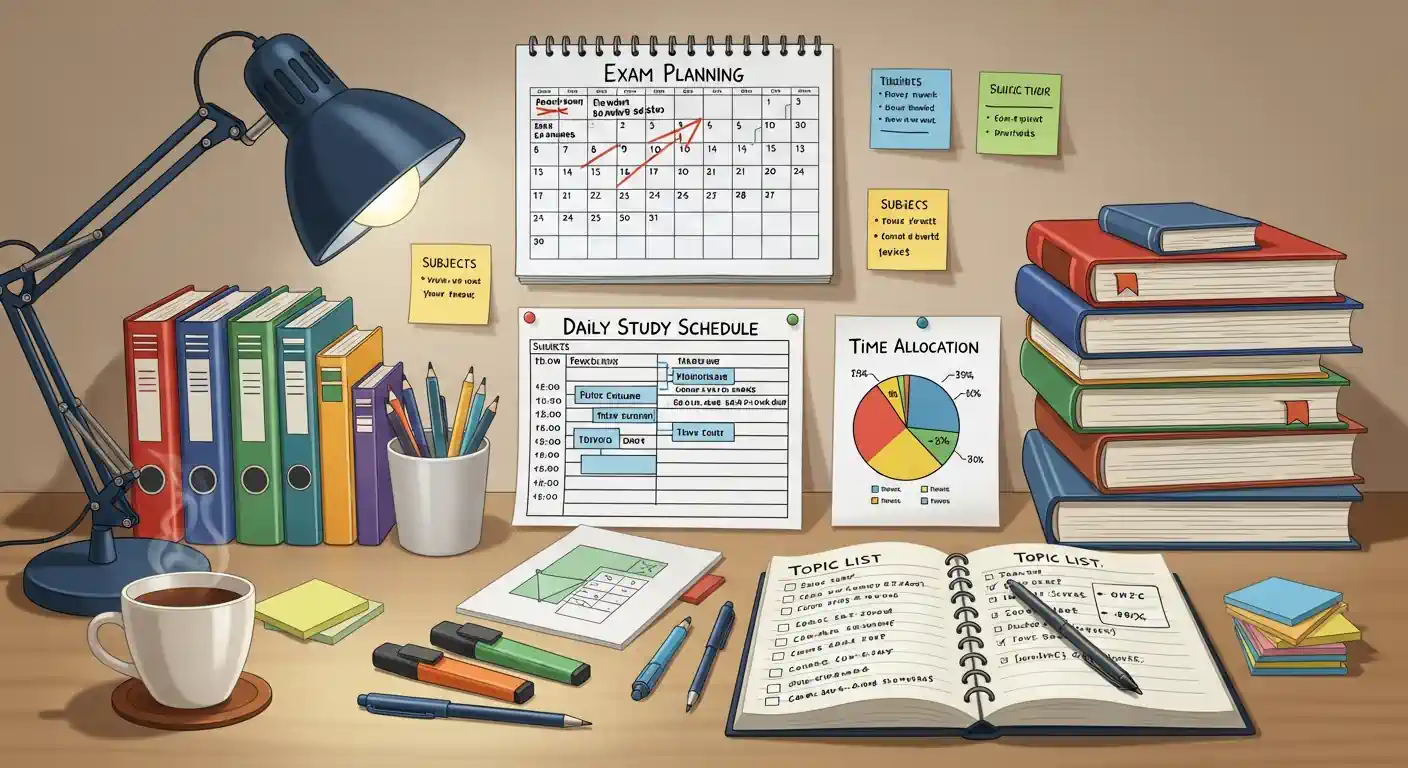
A personalized study schedule is your most powerful tool for test success. Begin by marking all exam dates on a calendar. Then, work backward, allocating specific blocks of time for each subject and topic. Be realistic about how much you can accomplish in a single session. Breaking down large tasks into smaller, manageable chunks prevents overwhelm and builds momentum.
- Assess the Syllabus: Understand all topics, readings, and assignment requirements.
- Prioritize Content: Identify high-value topics or areas where you struggle most.
- Allocate Time Blocks: Assign specific hours for studying, breaks, and other commitments.
- Integrate Review Sessions: Schedule regular review periods to reinforce learning.
- Flexibility is Key: Build in buffer time for unexpected events or deeper dives into challenging concepts.
According to a 2023 report by the National Center for Academic Success, students who consistently follow a structured study plan report a 15-20% increase in perceived preparedness and a noticeable reduction in pre-exam anxiety. This highlights the psychological and practical benefits of proactive planning.
Enhancing Learning: Active Strategies for Mastering Exam Content
Passive reading and highlighting are often ineffective. To truly achieve test success, you need to actively engage with the material. This means moving beyond recognition and into deep comprehension and application.
Harnessing Active Recall and Spaced Repetition
Two of the most scientifically validated methods for long-term memory retention are active recall and spaced repetition. Active recall involves retrieving information from memory without looking at your notes. This could be through flashcards, self-quizzing, or explaining concepts aloud. Spaced repetition is the practice of reviewing material at increasing intervals over time. This technique leverages the "forgetting curve" to strengthen memory pathways efficiently.
- Flashcards: Create digital or physical flashcards for key terms, definitions, and formulas.
- Practice Questions: Work through past papers, textbook questions, or online quizzes.
- Self-Explanation: Teach the material to an imaginary student or explain it to a friend.
- Concept Mapping: Visually connect ideas and topics to see the bigger picture.
- Summarization: After reading a section, close your book and summarize the main points in your own words.
A meta-analysis published in the Journal of Cognitive Psychology in 2024 demonstrated that students employing active recall techniques consistently outperformed those using passive study methods by an average of one letter grade. This data strongly supports integrating these methods into your exam preparation routine.
Optimizing Your Study Environment for Peak Performance
Your physical and mental environment significantly impacts your ability to focus and learn. Creating an optimal study space is a crucial, yet often overlooked, aspect of effective studying. Minimize distractions and cultivate an atmosphere conducive to deep concentration.
- Designate a Study Zone: Choose a quiet, well-lit area free from interruptions.
- Eliminate Digital Distractions: Turn off notifications, put your phone away, or use website blockers.
- Organize Your Materials: Keep your notes, textbooks, and stationery tidy and accessible.
- Comfort and Ergonomics: Ensure your chair and desk are comfortable to prevent fatigue.
- Minimize Noise: Use noise-canceling headphones or listen to instrumental music if it helps you focus.
Holistic Approach: Well-being and Stress Reduction During Exams
Mastering exam preparation extends beyond academics; it encompasses your overall well-being. High stress levels can impair cognitive function and hinder performance. Prioritizing self-care is not a luxury but a necessity for sustained test success.
Prioritizing Sleep, Nutrition, and Physical Activity
Your brain functions best when it's well-rested and nourished. Skimping on sleep or relying on unhealthy snacks can severely undermine your study efforts. Aim for 7-9 hours of quality sleep, eat balanced meals, and incorporate regular physical activity into your routine.
- Consistent Sleep Schedule: Go to bed and wake up at the same time, even on weekends.
- Nutrient-Rich Diet: Fuel your brain with whole foods, fruits, vegetables, and lean proteins.
- Stay Hydrated: Drink plenty of water throughout the day to maintain cognitive function.
- Regular Exercise: Even short walks can boost mood, reduce stress, and improve focus.
Effective Stress Management Techniques for Exam Periods
Stress is inevitable during exam periods, but how you manage it makes all the difference. Developing healthy coping mechanisms will help you maintain clarity and composure under pressure. For deeper insights into managing academic pressure, readers can explore related articles on mental resilience and student well-being.
- Mindfulness and Meditation: Practice short meditation sessions to calm your mind.
- Deep Breathing Exercises: Use techniques like the 4-7-8 method to quickly reduce anxiety.
- Short Breaks: Step away from your studies every 60-90 minutes to recharge.
- Connect with Others: Talk to friends, family, or mentors about your feelings.
- Positive Self-Talk: Challenge negative thoughts and reinforce your capabilities.
Differentiated Insights: Beyond Traditional Study Methods
To truly stand out and achieve exceptional test success, consider incorporating methods that go beyond the conventional. These insights leverage modern understanding of learning and cognitive science.
The Power of Metacognition and Self-Regulation
Metacognition, or "thinking about thinking," is a powerful tool. It involves actively monitoring your own learning process, identifying what you understand and what you don't, and adjusting your strategies accordingly. This self-awareness allows for more efficient and targeted exam preparation. For more information on this topic, readers can explore related articles on cognitive learning strategies.
- Pre-assessment: Before studying a topic, ask yourself what you already know and what you expect to learn.
- Self-Monitoring: During study, regularly check your comprehension by asking "Do I really understand this?"
- Strategy Adjustment: If a method isn't working, be willing to change your approach.
- Post-assessment: After studying, reflect on what you learned and what areas still need work.
Leveraging Technology for Enhanced Learning
The digital age offers numerous tools to enhance effective studying. From AI-powered study apps to collaborative online platforms, technology can personalize your learning experience and make exam preparation more efficient.
- Adaptive Learning Platforms: Use apps that tailor content and quizzes to your learning pace and weaknesses.
- Digital Flashcard Systems: Tools like Anki or Quizlet incorporate spaced repetition algorithms.
- Productivity Trackers: Apps like Forest or Pomodoro timers help maintain focus and manage study blocks.
- Online Collaboration Tools: Work with study groups virtually, sharing notes and discussing concepts.
FAQ Section: Common Questions About Exam Preparation
Q: How far in advance should I start my exam preparation? A: Ideally, you should begin your exam preparation several weeks, if not months, before the actual exam date. This allows ample time for comprehensive review, spaced repetition, and practice. Starting early reduces stress, enables a deeper understanding of the material, and provides flexibility to adjust your study plan as needed. Cramming is rarely effective for long-term retention or