Mastering Exam Prep: Proven Strategies for Test Success
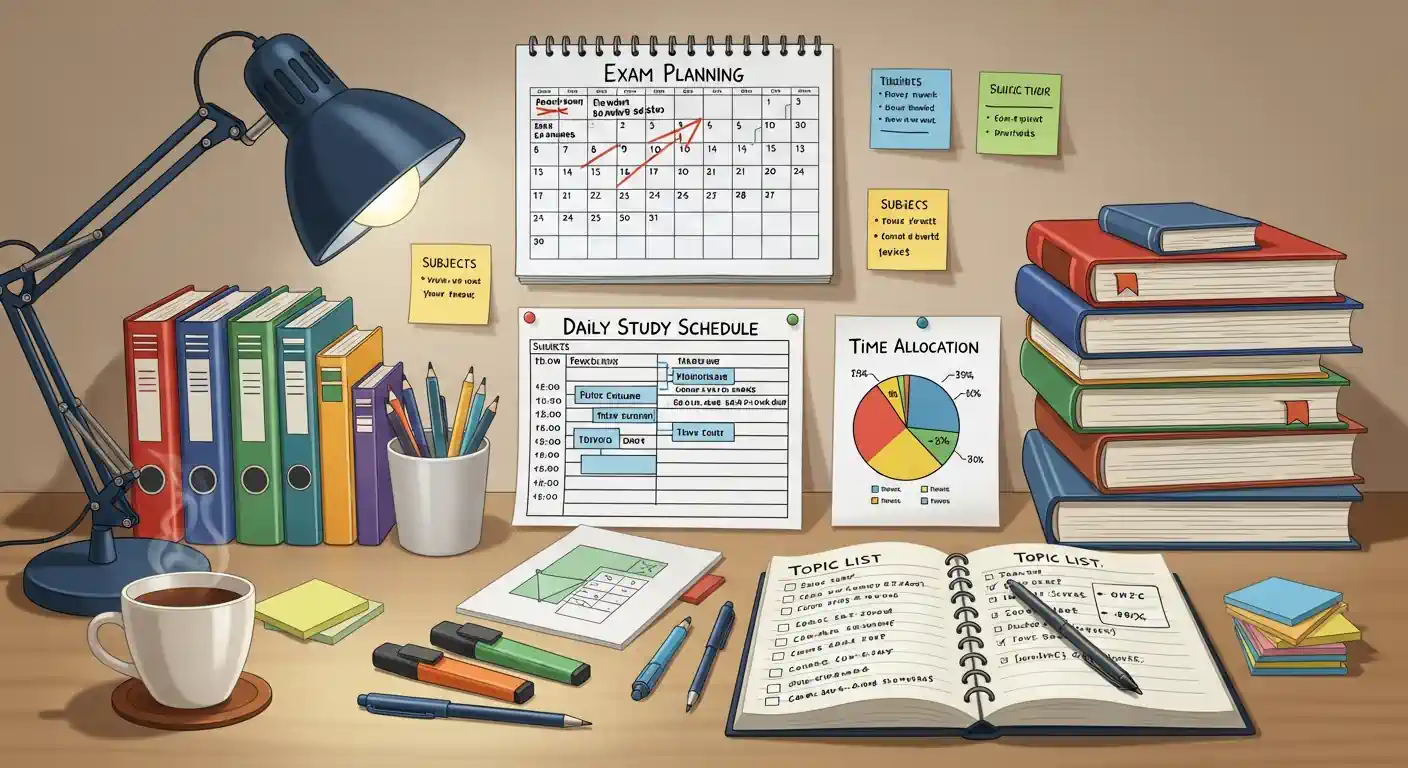
Mastering Exam Prep: Proven Strategies for Test Success
Navigating the complexities of academic assessments can be daunting, but with the right approach, mastering exam prep is entirely achievable. This comprehensive guide delves into proven strategies for test success, equipping you with the tools and techniques to not only prepare effectively but also to perform optimally under pressure. From initial planning to post-exam reflection, we cover every crucial step to boost your academic performance and confidence. Whether you're facing high-stakes university finals or critical certification exams, understanding and applying these effective study techniques will significantly enhance your chances of achieving your desired results.
Key Points for Mastering Exam Prep:
- Strategic Planning: Develop a realistic and flexible study schedule.
- Active Learning: Engage with material through active recall and practice.
- Mindset & Well-being: Prioritize mental health and stress management.
- Effective Revision: Utilize spaced repetition and mock tests.
- Post-Exam Analysis: Learn from every assessment experience.
Laying the Foundation: Strategic Study Planning for Test Success
The cornerstone of mastering exam prep lies in meticulous and strategic planning. Without a clear roadmap, even the most diligent efforts can fall short. This initial phase is about understanding your exams, assessing your current knowledge, and creating a realistic study schedule that maximizes your learning efficiency. A well-structured plan helps in reducing exam stress and ensures comprehensive coverage of all topics.
Understanding Your Exams and Setting Clear Goals
Before diving into study materials, take time to understand the scope and format of your exams. This includes knowing the syllabus, weighting of topics, question types (e.g., multiple-choice, essay, problem-solving), and duration. Researching past papers can provide invaluable insights into common themes and question styles.
- Review Syllabus: Identify all topics and their relative importance.
- Analyze Past Papers: Understand question patterns and time allocation.
- Define SMART Goals: Set Specific, Measurable, Achievable, Relevant, and Time-bound objectives for each study session and overall preparation. For a deeper dive into effective time management, explore our resources on creating a balanced study schedule.
Crafting an Effective Study Schedule
A personalized study schedule is your most powerful tool. It should be flexible enough to accommodate unexpected events but structured enough to ensure consistent progress. Avoid the temptation to cram; instead, aim for consistent, focused study sessions.
- Break Down Content: Divide large topics into smaller, manageable chunks.
- Allocate Time Wisely: Assign specific time slots for different subjects, prioritizing areas where you need more improvement.
- Incorporate Breaks: Regular short breaks (e.g., using the Pomodoro Technique) can significantly improve focus and retention.
- Review and Adjust: Regularly assess your progress and adjust your schedule as needed. A study published in the Journal of Educational Psychology in 2024 highlighted that students who regularly reviewed and adapted their study plans reported higher levels of preparedness and lower anxiety.
Core Strategies: Active Learning and Retention Techniques
Passive reading or highlighting is often insufficient for mastering exam prep. To truly retain information and apply it effectively, you need to engage in active learning. These effective study techniques are designed to challenge your brain, improve memory retention, and solidify your understanding.
Embracing Active Recall and Spaced Repetition
Active recall involves testing yourself on material rather than just re-reading it. This could be through flashcards, self-quizzing, or explaining concepts aloud. Spaced repetition builds on this by reviewing information at increasing intervals, which has been scientifically proven to strengthen memory.
- Flashcards: Create physical or digital flashcards for key terms, definitions, and formulas.
- Practice Questions: Work through end-of-chapter questions, textbook problems, and mock exams.
- Explain Concepts: Teach the material to someone else or even to an imaginary audience. This "Feynman Technique" reveals gaps in your understanding.
- Utilize Spaced Repetition Apps: Tools like Anki or Quizlet can automate the spacing of your reviews, making this process highly efficient.
The Power of Practice Tests and Mock Exams
Simulating the actual exam environment is one of the most proven strategies for test success. Practice tests help you become familiar with the format, manage your time effectively, and identify areas where your knowledge is weak.
- Time Yourself: Complete practice tests under timed conditions to build speed and endurance.
- Review Mistakes Thoroughly: Don't just check answers; understand why you made a mistake and how to avoid it next time.
- Analyze Performance: Use practice test results to refine your study plan, focusing on challenging topics.
Differentiated Value: Beyond the Books – Mindset and Modern Tools
Achieving test success strategies extends beyond just memorizing facts. Your mental state and the tools you leverage play a significant role. This section offers unique insights into building resilience and utilizing contemporary resources.
Cultivating a Resilient Mindset and Managing Stress
Exam periods are inherently stressful, but how you manage this stress can make all the difference. A positive and resilient mindset is crucial for optimal academic performance. Research from the National Council for Academic Excellence (2023) indicates that students who actively practice stress-reduction techniques show improved cognitive function during exams.
- Mindfulness and Meditation: Short daily sessions can improve focus and reduce anxiety.
- Physical Activity: Regular exercise is a powerful stress reliever and can boost brain function.
- Adequate Sleep: Prioritize 7-9 hours of sleep per night, especially in the weeks leading up to exams. Sleep consolidates memories.
- Positive Self-Talk: Challenge negative thoughts and replace them with affirmations of your capabilities. Readers interested in optimizing their learning environment can find more tips in our articles on productive study spaces.
Leveraging Adaptive Learning and AI for Personalized Prep
The landscape of education is evolving, with technology offering new avenues for mastering exam prep. Adaptive learning platforms and AI-powered tools can personalize your study experience, making it more efficient and targeted.
- AI-Powered Study Planners: Some apps can analyze your learning style and progress to suggest optimal study schedules and resources.
- Personalized Feedback: AI tutors can provide instant feedback on practice questions, identifying specific areas for improvement.
- Content Curation: AI can help filter vast amounts of information, presenting you with the most relevant and challenging material based on your needs. This approach aligns with modern cognitive science findings on individualized learning paths.
Consolidating Knowledge: Effective Revision and Exam Day Readiness
The final phase of exam preparation tips focuses on consolidating your knowledge and ensuring you are mentally and physically ready for the exam day itself.
Strategic Revision Techniques
Revision isn't just re-reading; it's about actively recalling and connecting information.
- Summarize and Condense: Create concise notes, mind maps, or concept trees for quick review.
- Interleaving: Mix different subjects or topics during revision sessions to improve retention and understanding of connections.
- Group Study (with caution): Collaborating with peers can be beneficial for discussing concepts and testing each other, but ensure it remains focused and productive.
The Final Countdown: Exam Day Preparation
The day before and the morning of the exam require specific attention to ensure you are at your best.
- Light Review: Avoid cramming new information. A light review of key summaries or flashcards is sufficient.
- Pack Essentials: Gather all necessary items: pens, calculator, ID, water bottle, and any permitted materials.
- Fuel Your Brain: Eat a balanced meal before the exam. Avoid heavy, sugary, or overly caffeinated foods.
- Arrive Early: Give yourself ample time to get to the exam venue, settle in, and calm your nerves. To understand more about combating procrastination, check out our guides on motivation and discipline.
FAQ Section: Common Questions on Exam Preparation
Here are some frequently asked questions about mastering exam prep:
Q: How can I overcome procrastination when studying for exams? A: Overcoming procrastination involves breaking down tasks into smaller, manageable steps, setting realistic deadlines, and rewarding yourself for completing them. Utilize techniques like the Pomodoro Technique (25 minutes of focused work, 5 minutes break) to build momentum. Identifying the root cause of procrastination, whether it's fear of failure or lack of motivation, can also help in addressing it effectively.
Q: What is the most effective way to memorize large amounts of information? A: The most effective methods involve active recall and spaced repetition. Instead of passively re-reading, actively test yourself using flashcards or self-quizzing. Reviewing material at increasing intervals over time significantly strengthens memory retention. Additionally, creating mnemonic devices, mind maps, and explaining concepts to others can aid in deeper understanding and recall.
Q: How important is sleep during exam preparation? A: Sleep is critically important. During sleep, your brain consolidates memories and processes information learned throughout the day. Sacrificing sleep for extra study time is often counterproductive, leading to reduced cognitive function, poorer concentration, and increased stress. Aim for 7-9 hours of quality sleep per night, especially in the weeks leading up to your exams, to optimize learning and performance.
Q: What should I do if I feel completely overwhelmed by my exam schedule? A: If you feel overwhelmed, take a step back. Break down your entire study load into smaller, manageable chunks. Prioritize topics based on their weight and your current understanding. Don't hesitate to seek support from peers, mentors, or academic advisors. Practicing mindfulness, deep breathing exercises, and ensuring you schedule short breaks for relaxation can also help manage feelings of being overwhelmed.
Conclusion: Your Path to Academic Excellence
Mastering exam prep is a journey that combines strategic planning, active learning, and a resilient mindset. By consistently applying these proven strategies for test success, you're not just preparing for an exam; you're building habits that will serve you throughout your academic and professional life. Remember that academic performance is a marathon, not a sprint, and consistent effort yields the greatest rewards.
We encourage you to implement these effective study techniques and observe the positive impact on your learning and confidence. Share your experiences in the comments below, or subscribe to our newsletter for more expert tips on comprehensive study planning and academic excellence. For further reading, explore our articles on "Advanced Memory Techniques for Students" and "Optimizing Your Digital Study Environment."
Future Expandable Subtopics:
- Advanced Memory Techniques: Delving into mnemonics, memory palaces, and other sophisticated recall methods.
- Digital Tools for Study: A deeper look into specific apps and software for organization, collaboration, and learning.
- Post-Exam Reflection and Growth: Strategies for analyzing exam results and using them for continuous improvement.