Mastering Exam Prep: Proven Strategies for Test Success
Mastering Exam Prep: Proven Strategies for Test Success
Embarking on the journey of mastering exam prep can feel daunting, but with the right approach, it transforms into a powerful pathway to academic achievement. This comprehensive guide is designed to equip you with proven strategies for test success, moving beyond rote memorization to foster deep understanding and confident performance. Whether you're facing high-stakes university finals, professional certification exams, or crucial school assessments, developing effective study habits and a strategic mindset is paramount. We'll explore evidence-based techniques that not only boost your grades but also reduce stress and build lasting learning skills, making your comprehensive study planning more efficient and impactful.
Key Points for Mastering Exam Prep:
- Strategic Planning: Develop a realistic study schedule and break down complex topics.
- Active Learning: Engage with material through active recall and practice testing.
- Spaced Repetition: Optimize memory retention by reviewing information at increasing intervals.
- Mindset & Well-being: Cultivate a growth mindset and prioritize self-care to manage stress.
- Post-Exam Analysis: Learn from every test to refine future preparation methods.
Unlocking Your Potential: Effective Exam Preparation Strategies
Mastering exam prep begins long before the actual test date. It involves a proactive and systematic approach to learning that prioritizes understanding over mere memorization. Many students often fall into the trap of passive reading or last-minute cramming, which rarely yields optimal results. Instead, focusing on effective study techniques that engage your brain actively can significantly enhance retention and recall.
One of the foundational elements of test success strategies is early and consistent preparation. Starting early allows you to distribute your study load, prevent burnout, and truly grasp complex concepts. This also provides ample time for review and practice, which are critical for solidifying knowledge.
Crafting Your Comprehensive Study Plan for Test Success
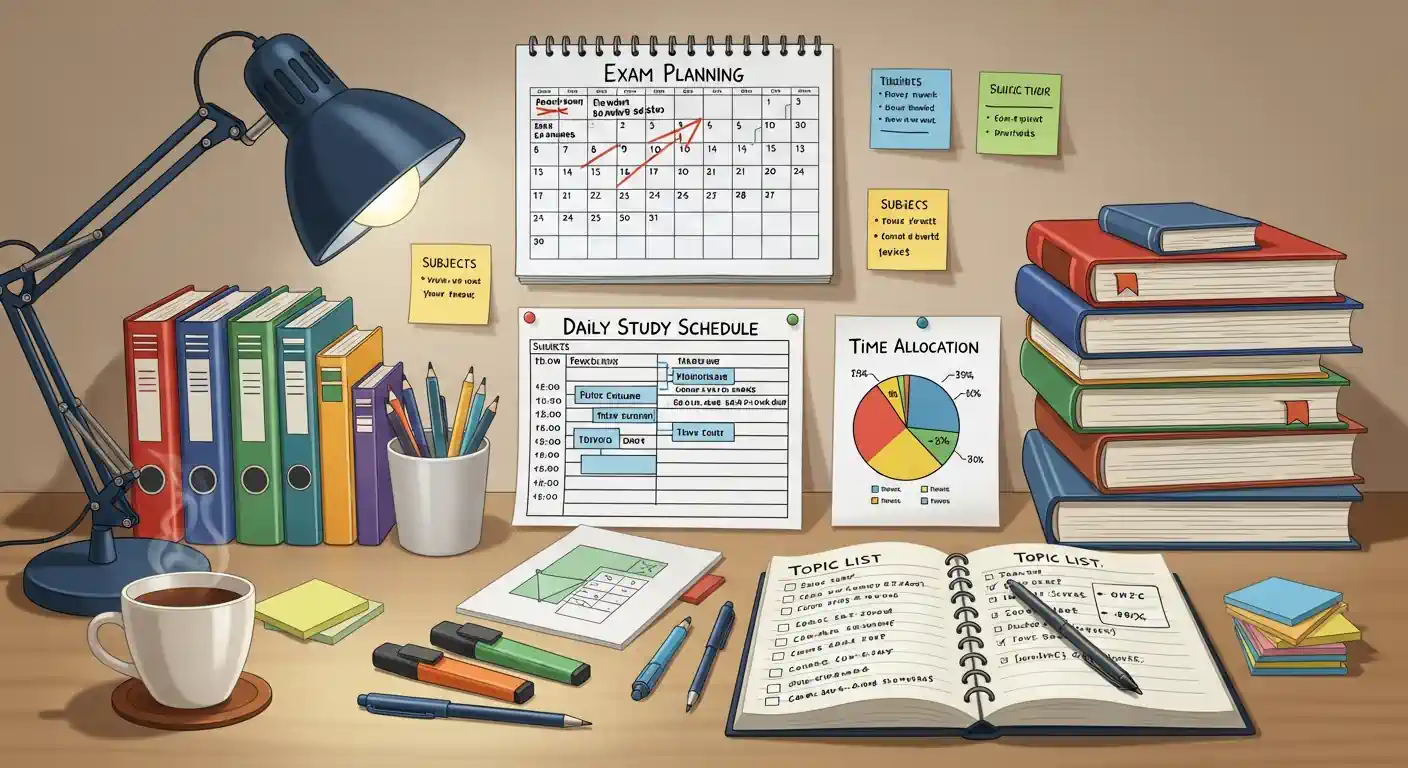
A well-structured study plan is your roadmap to mastering exam prep. It helps you allocate time efficiently, prioritize subjects, and track your progress. Without a plan, it's easy to feel overwhelmed and lose focus.
1. Assess the Scope and Format of Your Exams
Before diving into content, understand what you're up against.
- Review Syllabus and Learning Objectives: Identify key topics, learning outcomes, and their relative importance.
- Understand Exam Format: Is it multiple-choice, essay, problem-solving, or a combination? Knowing the format helps tailor your study methods.
- Past Papers Analysis: If available, review previous exam papers to understand question styles and common themes. This provides invaluable insight into what to expect.
2. Develop a Realistic Study Schedule
Once you know the scope, create a schedule that fits your lifestyle.
- Break Down Material: Divide your entire course content into manageable chunks. Assign specific topics to specific study sessions.
- Utilize a Calendar: Use a digital or physical calendar to map out your study times, balancing them with other commitments. Consistency is key here.
- Incorporate Breaks: Short, regular breaks (e.g., 5-10 minutes every hour) are crucial for maintaining focus and preventing mental fatigue. The Pomodoro Technique is an excellent method for this.
3. Prioritize and Allocate Time Wisely
Not all topics are created equal.
- Identify High-Weightage Topics: Focus more time on areas that carry more marks or are fundamental to understanding subsequent concepts.
- Address Weaknesses First: Dedicate extra time to subjects or topics you find challenging. Early intervention can turn weaknesses into strengths.
- Balance All Subjects: Ensure you're not neglecting any subject, even those you find easier, to maintain a holistic understanding.
Advanced Techniques for Maximizing Retention and Recall
Beyond basic planning, certain proven strategies for test success leverage cognitive science to optimize your learning. These methods differentiate effective learners from those who struggle.
1. Embrace Active Recall and Practice Testing
This is a cornerstone of mastering exam prep. Instead of passively re-reading notes, active recall involves retrieving information from memory.
- Flashcards: Create flashcards for key terms, definitions, and concepts. Regularly test yourself on them.
- Self-Quizzing: After studying a section, close your notes and try to explain the concepts aloud or write them down.
- Practice Questions: Work through as many practice problems and past exam questions as possible. This not only tests your knowledge but also familiarizes you with the exam environment. Research published in the Journal of Applied Research in Memory and Cognition (2024) highlights practice testing as one of the most effective learning strategies for long-term retention.
2. Implement Spaced Repetition
Spaced repetition is a powerful technique for memory consolidation. It involves reviewing information at increasing intervals over time.
- Digital Tools: Utilize apps like Anki or Quizlet that are designed for spaced repetition, automatically scheduling reviews based on your performance.
- Manual System: If you prefer a manual approach, use a system of physical flashcards where you review difficult cards more frequently and easier ones less often. This method is significantly more effective than cramming, as noted in a 2023 report by the Learning Sciences Institute.
3. Utilize the Feynman Technique
This technique emphasizes understanding by teaching.
- Explain it Simply: Choose a topic and try to explain it in simple terms, as if you were teaching it to someone with no prior knowledge.
- Identify Gaps: When you struggle to explain a concept, it reveals gaps in your understanding. Go back to your notes and fill those gaps.
- Simplify and Refine: Revisit your explanation, simplifying language and using analogies until it's crystal clear.
Cultivating a Winning Mindset and Managing Exam Stress
Mastering exam prep isn't just about what you study, but also how you approach the process mentally and emotionally. Effective test success techniques include strategies for managing stress and maintaining a positive outlook.
1. Prioritize Self-Care and Well-being
Your physical and mental health directly impact your ability to learn and perform.
- Adequate Sleep: Aim for 7-9 hours of quality sleep per night, especially in the days leading up to an exam. Sleep is crucial for memory consolidation.
- Balanced Nutrition: Fuel your brain with healthy foods. Avoid excessive caffeine and sugary snacks that can lead to energy crashes.
- Regular Exercise: Physical activity can significantly reduce stress, improve mood, and boost cognitive function. Even short walks can make a difference.
2. Develop a Growth Mindset
Embrace challenges as opportunities for growth.
- View Mistakes as Learning Opportunities: Don't get discouraged by errors in practice tests. Analyze them to understand where you went wrong and how to improve.
- Focus on Effort and Process: Recognize that your intelligence isn't fixed; it can grow with effort and effective strategies. This perspective, championed by psychologist Carol Dweck, is vital for resilience.
3. Practice Mindfulness and Relaxation Techniques
Combat anxiety with simple techniques.
- Deep Breathing Exercises: When feeling overwhelmed, take a few slow, deep breaths to calm your nervous system.
- Short Meditations: Even 5-10 minutes of mindfulness meditation can improve focus and reduce stress