Implementing Advanced Memory Techniques for Rapid Information Recall and Exam Readiness
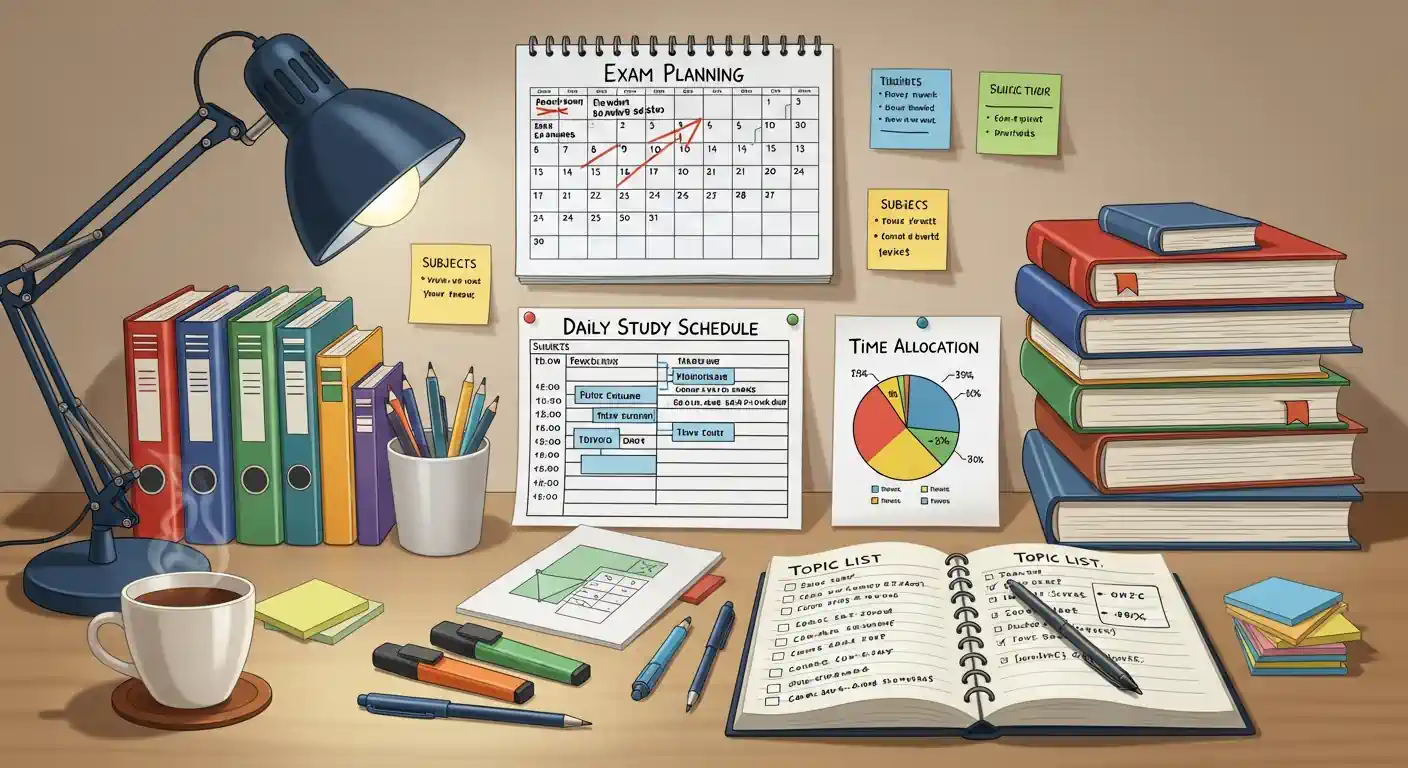
Implementing Advanced Memory Techniques for Rapid Information Recall and Exam Readiness
In today's fast-paced academic and professional environments, the ability to rapidly recall information is more crucial than ever. From acing exams to mastering new skills, effective memory techniques can significantly boost your performance and confidence. This article delves into implementing advanced memory techniques for rapid information recall and exam readiness, offering practical strategies to transform your learning process. We will explore methods that move beyond rote memorization, focusing instead on deeper understanding and efficient retrieval.
Unlocking your memory's full potential isn't about natural talent; it's about applying proven cognitive strategies. By understanding how your brain processes and stores information, you can optimize your study habits for maximum impact. Get ready to discover powerful tools that will not only improve your academic results but also enhance your overall cognitive agility.
Key Points:
- Active Recall: Engage your brain by testing yourself frequently.
- Spaced Repetition: Optimize review intervals for long-term retention.
- Mnemonics & Visualization: Create vivid mental links for complex data.
- Memory Palace: Structure information spatially for easy navigation.
- Metacognition: Understand and monitor your own learning process.
Understanding the Cognitive Science Behind Rapid Information Recall
Effective memory strategies are rooted in cognitive psychology. Our brains don't just "store" information; they encode, consolidate, and retrieve it through complex neural pathways. Rapid information recall hinges on strengthening these pathways and creating multiple access points to data. This involves moving beyond passive reading to active engagement with the material.
One fundamental principle is retrieval practice, which involves actively pulling information from your memory. This process, often more effective than simply re-reading, strengthens the memory trace and makes future recall easier. Similarly, elaborative rehearsal links new information to existing knowledge, creating a richer, more interconnected web of understanding. These foundational concepts are vital for implementing advanced memory techniques.
Core Advanced Memory Techniques for Exam Readiness
Beyond basic flashcards, several advanced techniques can drastically improve your exam readiness and learning efficiency.
Active Recall and Self-Testing Strategies
Active recall is arguably the most powerful learning strategy. Instead of passively reviewing notes, you force your brain to retrieve information. This can take many forms:
- Flashcards: Traditional or digital, asking questions on one side and providing answers on the other.
- Blurting: After reading a section, close your book and write down everything you remember. Then check for gaps.
- Practice Questions: Attempting questions from past exams or textbooks without looking at notes. This not only tests recall but also familiarizes you with exam formats.
Research published in Cognitive Research: Principles and Implications (2023) consistently shows that active retrieval practice significantly outperforms re-reading for long-term retention. This method transforms passive study into a dynamic learning experience.
Spaced Repetition Systems (SRS)
Spaced repetition is an evidence-based learning technique that schedules reviews of previously learned material at increasing intervals. The idea is to review information just before you're about to forget it.
- How it Works: Algorithms (like those in Anki or Quizlet) present flashcards at optimal intervals.
- Benefits: Maximizes long-term retention with minimal effort, making it ideal for large volumes of information like medical terminology or historical dates.
- Application: Essential for solidifying knowledge gleaned from early study sessions, ensuring it's readily available for rapid information recall during exams.
This intelligent scheduling is a game-changer for sustained learning. For a deeper dive into this topic, you might find our article on /articles/the-science-behind-spaced-repetition-systems incredibly helpful.
Mnemonics and Visualization
Mnemonics are memory aids that help you remember difficult information through association.
- Acronyms & Acrostics: Using the first letter of each word to form a new word or sentence (e.g., ROY G BIV for colors).
- Rhymes & Songs: Setting information to a catchy tune.
- Method of Loci (Memory Palace): This ancient technique involves associating items you want to remember with specific locations in a familiar mental "palace" (like your house). To recall the information, you simply take a mental walk through your palace. This is particularly effective for ordered lists or complex concepts. For instance, associating key historical events with different rooms in your childhood home can make their sequence unforgettable.
Integrating Advanced Memory Techniques with Modern Study Practices
Combining these advanced techniques with other study habits creates a synergistic effect.
The Feynman Technique
This method involves explaining a concept in simple terms, as if you were teaching it to someone else.
- Study: Choose a topic and study it.
- Explain: Write down everything you know about it in simple language.
- Identify Gaps: When you get stuck, return to your source material.
- Simplify: Refine your explanation until it's clear and concise.
This process highlights areas where your understanding is weak, prompting you to engage in further active recall and clarification.
Interleaving and Mixed Practice
Instead of studying one subject for hours, interleave different subjects or topics within a subject. For example, instead of doing 20 math problems, then 20 science problems, mix them up.
- Benefit: Improves cognitive flexibility and discrimination, making it easier to recall the correct approach when faced with varied problems in an exam.
- Application: Prevents passive learning and encourages your brain to actively retrieve and apply different strategies.
Leveraging Technology for Enhanced Memory and Recall
Technology offers powerful tools to support your memory journey. Modern applications make implementing advanced memory techniques more accessible than ever.
AI-Powered Spaced Repetition Software
These tools are at the forefront of personalized learning. Apps like Anki, SuperMemo, and more recent AI-driven platforms adapt to your individual learning pace. They track your performance and dynamically adjust the review schedule, ensuring you focus on the material you find most challenging. This tailored approach significantly optimizes memory retention.
Digital Mind Mapping Tools
Tools like XMind or Miro allow you to create visual representations of information. Mind maps help you see connections between concepts, improve understanding, and facilitate recall. The act of creating the map itself is an active learning process, reinforcing memory encoding.
Personalizing Your Memory Strategy for Optimal Exam Performance
Every learner is unique. The most effective approach to exam readiness involves customizing these techniques to suit your personal learning style and the specific demands of your course material.
- Experiment: Try different techniques and combinations. Some might resonate more than others.
- Reflect: Regularly assess what's working and what isn't. Are you consistently forgetting certain topics? Adjust your strategy.
- Combine Techniques: Don't limit yourself. For example, use a Memory Palace for a complex process, then use active recall and spaced repetition to solidify the details within each "room."
A report by the Learning & Memory Institute in 2024 emphasized that a multi-modal approach, combining visual, auditory, and kinesthetic techniques, yields superior long-term recall compared to relying on a single method. This personalized, adaptable strategy is key to mastering rapid information recall.
FAQ Section
Q: How quickly can I expect to see results from these advanced memory techniques?
A: Many users report noticeable improvements within a few weeks of consistent practice. Techniques like active recall and spaced repetition begin strengthening memory traces almost immediately. However, for significant, long-term memory gains and mastery, regular application over several months is typically required. Consistency is key to building strong, durable memories.
Q: Are these techniques only for academic studies, or can they be applied elsewhere?
A: Absolutely not! While highly effective for exam readiness, these advanced memory techniques are incredibly versatile. They can be applied to learning new languages, remembering names and faces, mastering professional skills, or even recalling complex information in presentations. The underlying principles of encoding, consolidation, and retrieval are universal.
Q: What if I feel overwhelmed by the number of techniques available?
A: It's common to feel that way. Start small. Pick one or two techniques, like active recall and spaced repetition, and integrate them into your routine. Once you feel comfortable and see the benefits, gradually introduce others like mnemonics or the Memory Palace for specific challenges. Remember, the goal is sustainable improvement, not immediate mastery of every method.
Q: How can I ensure I don't just memorize but truly understand the material?
A: While memory techniques aid recall, true understanding comes from deeper engagement. Pair memory techniques with methods like the Feynman Technique, concept mapping, and critical thinking. Always ask "why" and try to explain concepts in your own words. Understanding reinforces memory, and memory aids understanding; they work hand-in-hand.
Conclusion and Next Steps
Implementing advanced memory techniques for rapid information recall and exam readiness is a powerful pathway to academic success and enhanced cognitive ability. By integrating active recall, spaced repetition, mnemonics, and strategic application of technology, you can fundamentally transform how you learn and remember. These aren't just study hacks; they are scientifically backed methods that empower you to take control of your learning journey.
Start by choosing one technique, perhaps implementing a spaced repetition system for your flashcards, or trying active recall after each study session. Consistency is your greatest ally.
- Action Steps:
- Choose a technique: Select one advanced method from this article to implement this week.
- Practice consistently: Integrate it into your daily study routine.
- Reflect and adjust: Evaluate its effectiveness and make necessary changes.
- Share your progress: Discuss your experiences and tips in the comments below!
- Extended Reading:
- For more insights on optimizing your study time, explore our other articles in the /categories/practice-test-strategies category.
- Discover the power of testing yourself with our detailed guide: /articles/mastering-active-recall-for-enhanced-learning.
The information in this article reflects the latest understanding in cognitive science, current as of December 2025. We recommend periodic review and updates to your study strategies to incorporate new research and tools. Future topics could include the impact of nutrition on memory, advanced neurofeedback techniques for cognitive enhancement, or the role of sleep in memory consolidation.