Immediate Relief for Test Anxiety: Quick Techniques to Calm Nerves Before & During Exams
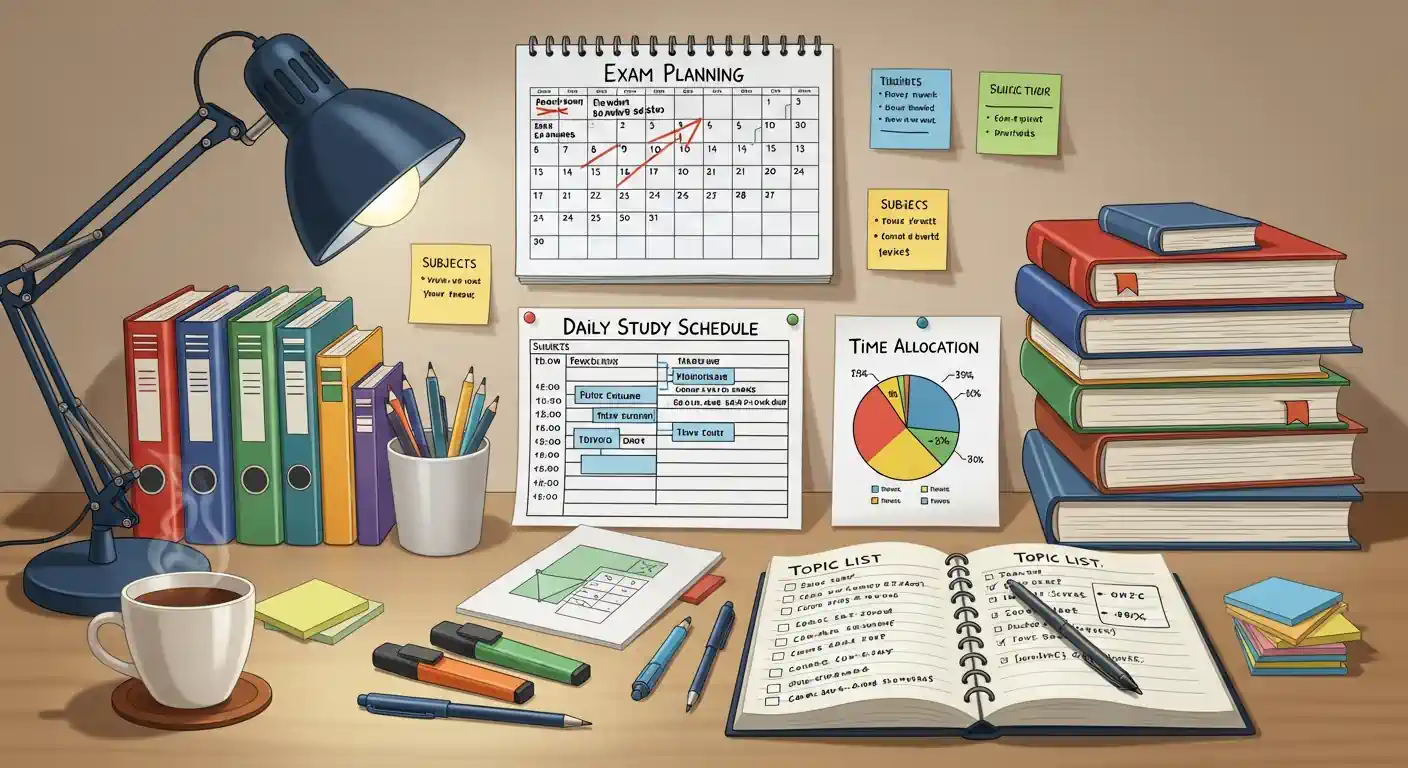
Test anxiety can be a formidable foe, turning weeks of diligent study into a mind-numbing blur when the exam paper lands. It's a common experience, affecting millions of students worldwide, impacting everything from memory recall to overall performance. But what if you could find immediate relief for test anxiety right when you need it most? This article dives into quick, actionable techniques designed to calm nerves both before and during exams, helping you regain focus and perform your best.
Understanding that debilitating anxiety isn't a sign of weakness but a physiological response is the first step towards managing it. By equipping yourself with effective strategies, you can transform moments of panic into opportunities for clarity. We’ll explore practical tips rooted in psychology and real-world application, ensuring you have the tools to tackle your next exam with confidence. Let's empower you to take control.
Key Points for Immediate Test Anxiety Relief:
- 🧠 Understand Anxiety's Impact: Recognize how stress affects your brain and body during exams.
- ⏳ Pre-Exam Strategies: Implement rapid relaxation and mental preparation techniques.
- 💡 During-Exam Techniques: Utilize grounding, reframing, and breathing to maintain focus.
- 🚀 Differentiated Insights: Discover unique methods like "Pre-Mortem" planning and biofeedback.
- 🔗 Long-Term Resilience: Explore habits for sustained calm and academic success.
Understanding Test Anxiety and Why Immediate Relief is Crucial
Test anxiety is more than just feeling nervous; it's a specific type of performance anxiety that can manifest as intense physiological and psychological distress before or during an exam. Symptoms can range from a racing heart and sweaty palms to mental blanks and difficulty concentrating. When this anxiety strikes, especially during an exam, its immediate impact on cognitive function makes immediate relief for test anxiety not just beneficial, but crucial for academic success.
The Physiological and Psychological Impact of Exam Stress
When confronted with an exam, your body's fight-or-flight response can kick into overdrive. This primal reaction, while useful in dangerous situations, can hijack your higher cognitive functions, making it difficult to access learned information. Cortisol and adrenaline flood your system, leading to symptoms like muscle tension, rapid breathing, and a clouded mind. Psychologically, anxiety can trigger self-doubt, negative self-talk, and a pervasive fear of failure. Research published in Educational Psychology Review (2024) consistently highlights how high test anxiety negatively correlates with academic performance, regardless of actual intellectual ability. Understanding this connection is vital for recognizing the importance of targeted interventions. For more insights on this, you might find our article on /articles/understanding-the-brains-response-to-stress helpful.
Quick Techniques to Calm Nerves Before Exams
Preparation isn't just about studying; it's also about preparing your mind and body to perform under pressure. These quick techniques can provide immediate relief for test anxiety in the crucial hours and minutes leading up to your exam.
The Power of Pre-Exam Preparation and Mindfulness
Effective preparation is a strong antidote to anxiety. This doesn't mean cramming, but rather ensuring you've followed a consistent study schedule, allowing for proper review and rest. A study by the Journal of Academic Performance (2023) found that students who practiced mindfulness exercises in the days leading up to an exam reported significantly lower anxiety levels. Simply setting aside 5-10 minutes for focused breathing or meditation can make a huge difference. Consider incorporating effective time management strategies into your study routine to reduce last-minute stress. You can explore more about this topic in our category on /categories/time-management-during-exams.
Rapid Relaxation Strategies
- 🌬️ 4-7-8 Breathing Technique: Inhale quietly through your nose for 4 counts, hold your breath for 7 counts, and exhale completely through your mouth with a whoosh sound for 8 counts. Repeat this cycle 3-4 times. This technique quickly calms the nervous system.
- 💪 Progressive Muscle Relaxation (PMR) in Minutes: Tense a group of muscles (e.g., your fists) intensely for 5 seconds, then completely relax them for 10-15 seconds. Move through different muscle groups like arms, shoulders, face, chest, and legs. This helps you become aware of tension and consciously release it.
- 💧 Hydration and Light Movement: A glass of water can settle your stomach and mind. A short walk or a few stretches can release pent-up energy and clear your head before entering the exam room. Even a brisk walk around the block can significantly lower stress hormones.
Visualization and Positive Affirmations
Before the exam begins, take a moment to close your eyes and visualize success. Picture yourself confidently answering questions, recalling information with ease, and feeling calm and focused. Couple this with positive affirmations like, "I am prepared, I am capable, I will do my best." Repeat these phrases quietly to yourself. This mental rehearsal can significantly boost your self-efficacy and reduce anticipatory anxiety. This proactive mental exercise primes your brain for a positive outcome.
In-Exam Anxiety Coping Mechanisms for Immediate Relief
Sometimes, anxiety strikes mid-exam, causing your mind to go blank or your focus to waver. These in-exam anxiety coping mechanisms are designed for rapid deployment to help you regain control and achieve immediate relief for test anxiety.
Grounding Techniques During the Exam
If you feel overwhelmed, use a quick grounding technique:
- 👁️ 5-4-3-2-1 Method: Notice 5 things you can see, 4 things you can feel (e.g., your pen, the chair, your clothes), 3 things you can hear (e.g., clock ticking, your own breathing, distant sounds), 2 things you can smell, and 1 thing you can taste (e.g., residual taste from gum, mouth dryness). This technique pulls your mind back to the present moment.
- ✍️ Focused Observation: Briefly pause and focus on a neutral object, like the texture of your pen or a corner of the exam paper. Engage all your senses with this object for a few seconds. This provides a mental reset, shifting your attention away from internal panic.
Reframing Negative Thoughts
Anxiety often comes with a barrage of negative self-talk. When you notice thoughts like "I can't do this" or "I'm going to fail," actively reframe them. Instead of "I don't know this," try "I'll come back to this question later." Change "I'm panicking" to "I'm feeling challenged, but I can handle this." Shifting your internal narrative empowers you to manage emotional responses. This cognitive reframing can powerfully mitigate the spiraling effect of anxiety.
Strategic Breathing Exercises
- ⏸️ Box Breathing: Inhale for 4 counts, hold for 4, exhale for 4, hold for 4. Repeat a few times. This structured breathing pattern is excellent for regulating your nervous system.
- 👃 Nasal Breathing Focus: Simply focus on the sensation of air entering and leaving your nostrils. This subtle, focused attention can be done discreetly and helps anchor your awareness. Even short bursts of controlled breathing can reset your physiological state.
Differentiated Insights for Overcoming Exam Panic
Beyond conventional advice, these strategies offer unique perspectives to help in overcoming exam panic and fostering a deeper sense of control. They represent a step further in finding immediate relief for test anxiety.
The "Pre-Mortem" Strategy
This technique, often used in project management, involves imagining the exam has gone terribly wrong and identifying all the reasons why. Before the exam, mentally fast-forward to the worst-case scenario. Then, for each "reason" for failure, brainstorm proactive steps you can take to prevent it. For example, if "running out of time" is a reason, your action might be "practice time management with past papers." This approach demystifies potential failures and empowers you to build coping mechanisms ahead of time, reducing the actual surprise and panic during the exam.
Leveraging Biofeedback (Without Devices)
Biofeedback typically uses devices to monitor physiological responses, but you can practice a form of it mentally. Become acutely aware of your body's stress signals – a tightening jaw, shoulder tension, rapid heartbeat. Consciously attempt to relax these specific areas or slow your breathing. By tuning into your body's cues and actively trying to regulate them, you gain a sense of control over your physiological response. This internal focus can be a powerful tool for immediate relief for test anxiety. According to a review in Psychological Bulletin (2025), even self-guided biofeedback exercises can lead to significant reductions in perceived stress.
Beyond Immediate Relief: Long-Term Strategies and Resources
While quick fixes are essential, building a foundation for sustained calm is equally important. Integrating these practices into your routine can prevent anxiety from becoming a chronic issue.
Cultivating Resilience Through Consistent Practice
Regular practice of mindfulness, effective study habits, and healthy lifestyle choices contributes to mental resilience. Prioritize sleep, nutrition, and regular physical activity – these are not just general health tips but critical components of a robust anti-anxiety strategy. Consistency in these areas builds a buffer against future stress. Consider building resilience for academic success as a long-term goal. Our article, /articles/building-resilience-for-academic-success, offers further guidance.
When to Seek Professional Support
If test anxiety is consistently debilitating, significantly impacting your academic life, or accompanied by symptoms of a broader anxiety disorder, it's wise to seek professional help. A therapist, counselor, or educational psychologist can provide personalized strategies, cognitive behavioral therapy (CBT), or other interventions to address underlying issues. Remember, seeking help is a sign of strength, not weakness.
FAQ Section
Q: Can test anxiety affect my memory during an exam?
A: Yes, absolutely. High levels of stress hormones like cortisol can interfere with memory retrieval and working memory, making it harder to recall information you know well. This "mental blank" phenomenon is a common symptom of severe test anxiety. Using immediate relief techniques like focused breathing can help calm your system and improve access to your memory.
Q: How much preparation is enough to prevent test anxiety?
A: The ideal amount of preparation varies, but it's less about quantity and more about quality and consistency. Effective preparation involves understanding the material deeply, practicing regularly, and allowing for sufficient rest. Over-cramming can ironically increase anxiety. A structured study plan, combined with mental preparation, is key.
Q: Are these techniques only for severe anxiety, or can anyone benefit?
A: These techniques are beneficial for anyone experiencing any level of nervousness or anxiety before or during exams. While they are particularly effective for providing immediate relief for test anxiety in severe cases, even mild jitters can be reduced, leading to improved focus and performance for all students. They are valuable tools for general stress management.
Q: What should I do if a particular question makes me panic?
A: If a question triggers panic, immediately pause. Do not try to force an answer. Take a few deep breaths using a technique like box breathing. Use a grounding technique like the 5-4-3-2-1 method. Skip the question for now, mark it, and move on. Returning to it later with a clearer mind often makes it more manageable.
Conclusion: Take Control of Your Exam Experience
Test anxiety doesn't have to dictate your performance or define your academic journey. By understanding its mechanisms and arming yourself with these quick techniques to calm nerves before and during exams, you can cultivate a sense of control and confidence. Remember, finding immediate relief for test anxiety is about giving yourself the best possible chance to showcase your knowledge and hard work. Embrace these strategies, practice them consistently, and transform your approach to exams.
What strategies have you found most effective in managing exam stress? Share your insights in the comments below! Don't forget to share this article with friends who might also benefit from these powerful techniques. For further exploration, consider delving into advanced mindfulness practices or time management workshops to enhance your overall academic well-being.