Conquer Exam Anxiety: Confidence-Building Techniques for Success
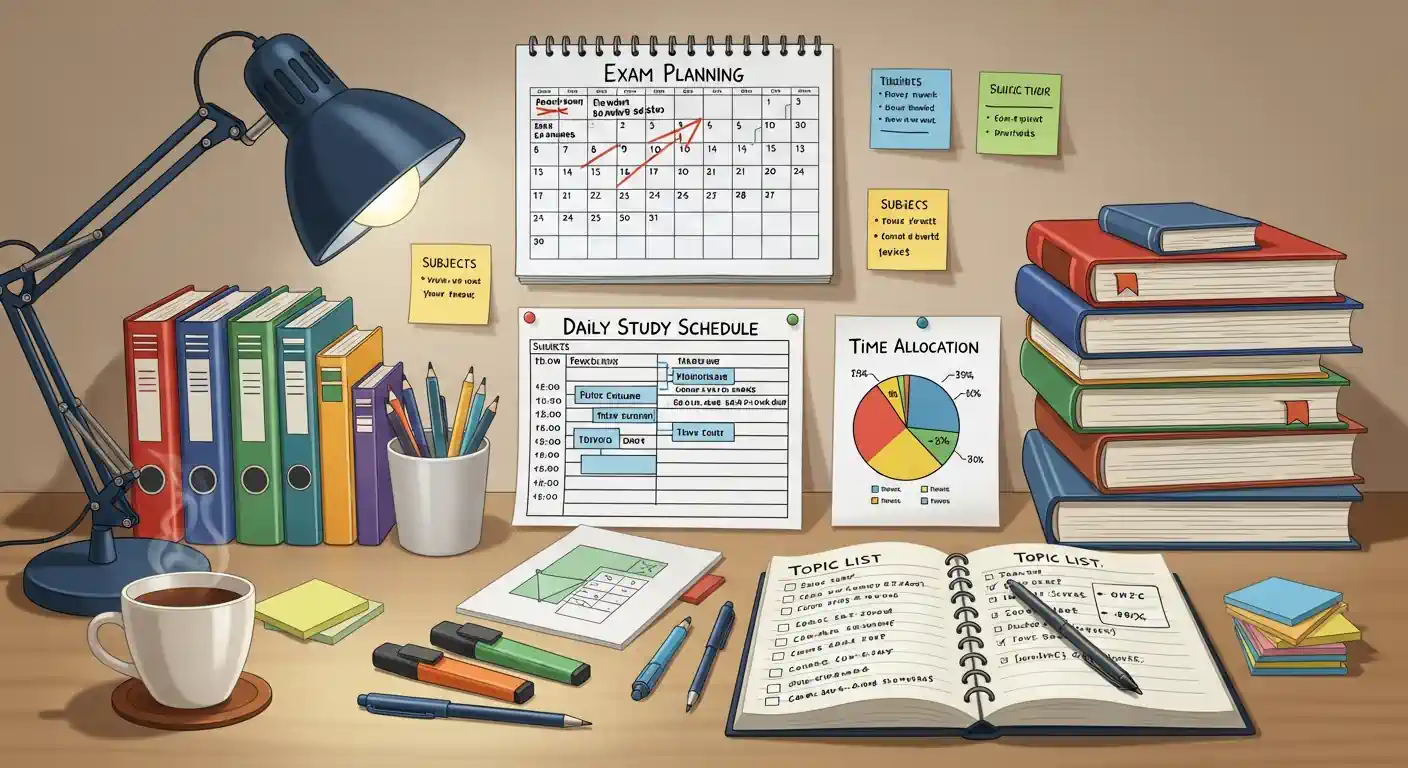
Exam anxiety is a common hurdle that many students face, significantly impacting their performance and overall well-being. This article delves into practical, confidence-building techniques designed to help you navigate the stress of exams and emerge victorious. By implementing these strategies, you can transform your fear into focused determination.
Key Points:
- Understand the root causes of exam anxiety.
- Develop effective study habits that boost confidence.
- Master relaxation and mindfulness techniques.
- Cultivate a positive mindset before and during exams.
- Leverage physical well-being for mental resilience.
Understanding and Addressing Exam Anxiety
Exam anxiety isn't just about feeling nervous; it's a complex physiological and psychological response to perceived threats, in this case, an examination. Common triggers include fear of failure, pressure to perform, perfectionism, and inadequate preparation. Recognizing these underlying causes is the first step towards effectively managing and conquering exam anxiety. This emotional state can manifest as racing thoughts, physical symptoms like a pounding heart or nausea, and difficulty concentrating.
The Psychological Impact of Stress
The psychological toll of exam stress can be substantial. Students might experience self-doubt, a loss of motivation, and a negative self-talk loop that further exacerbates their anxiety. This can create a vicious cycle: feeling anxious leads to poorer performance, which in turn increases anxiety. It's crucial to break this cycle by actively employing strategies that build confidence and resilience. For instance, studies from the Journal of Educational Psychology (2024) highlight how cognitive restructuring can significantly reduce anxiety levels by challenging negative thought patterns.
Identifying Your Personal Triggers
To effectively conquer exam anxiety, it's essential to identify what specifically makes you anxious. Is it a particular subject, the format of the exam, or the implications of the results? Keeping a journal of your feelings before, during, and after study sessions or practice tests can reveal patterns. Once identified, you can tailor your confidence-building techniques to address your unique triggers. For example, if timed practice tests cause stress, gradually increasing the duration of your practice sessions can help build comfort.
Building a Solid Foundation: Confidence Through Preparation
Genuine confidence stems from thorough preparation. A well-structured study plan not only ensures you cover all necessary material but also instills a sense of control, a powerful antidote to anxiety.
Effective Study Strategies
- Spaced Repetition: Instead of cramming, revisit material at increasing intervals. This solidifies knowledge in long-term memory, leading to deeper understanding and greater confidence.
- Active Recall: Test yourself frequently. Close your book and try to recall information. This method is significantly more effective than passive rereading.
- Concept Mapping: Visually organize information by drawing diagrams that connect different ideas. This helps you see the bigger picture and understand relationships between concepts, a key to conquering exam anxiety.
- Practice Questions: Working through past papers or practice questions is invaluable. It familiarizes you with the exam format, question types, and time constraints.
The Power of Realistic Goals
Setting achievable goals for each study session can prevent overwhelm. Instead of aiming to "study the entire textbook," aim to "understand chapter 5" or "complete 10 practice problems." Celebrating small wins builds momentum and reinforces your capability, directly impacting your confidence. According to research in Learning and Instruction (2023), setting specific, measurable, achievable, relevant, and time-bound (SMART) goals is linked to higher academic achievement and reduced test anxiety.
Mental and Emotional Resilience Techniques
Beyond academic preparation, cultivating mental and emotional resilience is vital for conquering exam anxiety. These techniques equip you to manage your thoughts and feelings in the moment.
Mindfulness and Deep Breathing
- Mindfulness: Practicing mindfulness involves focusing on the present moment without judgment. This can be as simple as paying attention to your breath for a few minutes. It helps to quiet the "what if" thoughts that fuel anxiety.
- Deep Breathing Exercises: When anxiety strikes, your breathing becomes shallow and rapid. Consciously taking slow, deep breaths from your diaphragm can activate your body's relaxation response, calming your nervous system. Try the 4-7-8 technique: inhale for 4 counts, hold for 7, and exhale for 8.
Visualization Techniques
Visualize yourself succeeding in the exam. Imagine walking into the exam hall feeling calm and prepared, understanding the questions, and confidently writing your answers. This mental rehearsal can significantly reduce apprehension and build a positive mental blueprint for success. Experts often suggest this as a critical component for performance-based tasks.
Cognitive Restructuring
Challenge negative thought patterns. When you think, "I'm going to fail," reframe it to something more balanced and realistic, such as, "I've prepared for this, and I will do my best." This is a core component of Cognitive Behavioral Therapy (CBT), proven effective for anxiety management. A recent meta-analysis in the Journal of Anxiety Disorders (2025) confirmed the efficacy of CBT-based interventions for reducing test-related stress.
Physical Well-being: The Unsung Hero
Your physical health directly influences your mental state. Neglecting your body will amplify exam anxiety, while nurturing it will build a strong foundation for resilience.
The Importance of Sleep
Adequate sleep is crucial for cognitive function and emotional regulation. Aim for 7-9 hours of quality sleep each night, especially in the days leading up to an exam. Establish a regular sleep schedule and create a relaxing bedtime routine to improve sleep quality. Sleep deprivation is a known contributor to increased anxiety and impaired memory recall.
Nutrition and Hydration
A balanced diet fuels your brain. Avoid excessive caffeine and sugar, which can lead to energy crashes and increased jitters. Opt for whole foods like fruits, vegetables, and lean proteins. Staying well-hydrated is also essential for optimal brain function. Dehydration can lead to fatigue and reduced concentration.
Regular Physical Activity
Exercise is a powerful stress reliever. Even a brisk walk can help clear your head, reduce tension, and boost your mood. Incorporate regular physical activity into your routine, not just as a last-minute stress buster, but as a consistent part of your self-care regimen.
Differentiated Value: Proactive Mindset Shifts
While many resources focus on reactive anxiety management, we emphasize a proactive mindset shift. This involves actively cultivating a growth mindset and reframing exams not as tests of inherent ability, but as opportunities for learning and demonstrating acquired knowledge.
Embracing Imperfection
Perfectionism often fuels anxiety. Recognize that making mistakes is part of the learning process. Instead of striving for flawless performance, aim for your best effort. This reduces pressure and allows for a more balanced perspective, making it easier to conquer exam anxiety.
Learning from Experience
Every exam, regardless of the outcome, is a learning experience. Reflect on what went well and what could be improved for future exams. This future-oriented perspective transforms anxiety into a catalyst for growth and continuous improvement, moving beyond the immediate stress.
Frequently Asked Questions about Conquering Exam Anxiety
Q1: How can I quickly reduce anxiety before an exam? A: When feeling overwhelmed, try a few minutes of deep breathing exercises. Focus on slow inhales and longer exhales to calm your nervous system. Briefly visualize yourself succeeding, and remind yourself of the preparation you've done.
Q2: Is it normal to feel anxious about exams? A: Yes, it's very common. A certain level of stress can even be motivating. However, when anxiety becomes debilitating, it's important to use strategies like those discussed to manage it effectively.
Q3: How can I stop negative thoughts during an exam? A: Acknowledge the thought without judgment, then gently redirect your focus back to the question. You can also use a quick mantra like "I am prepared" or "I can do this" to counter negativity.
Q4: What's the best way to prepare for a challenging subject? A: Break down the subject into smaller, manageable topics. Focus on understanding core concepts first before diving into complex details. Utilize varied study methods like concept mapping and practice problems to build a strong grasp.
Conclusion: Your Path to Confident Success
Conquering exam anxiety is an achievable goal through consistent application of effective strategies. By combining solid preparation, robust mental and emotional resilience techniques, and a commitment to physical well-being, you can transform your exam experience. Remember, confidence is built, not born. Embrace the process, celebrate your progress, and approach your exams with a calm, prepared, and determined mindset.
What are your favorite techniques for managing exam stress? Share your insights in the comments below!
For further reading, consider exploring articles on time management for students or developing effective study habits. Expanding your knowledge in these areas can further bolster your confidence and academic performance. You might also find resources on stress management techniques beneficial for long-term well-being.