Confidence-Building for Exams: Overcome Test Anxiety
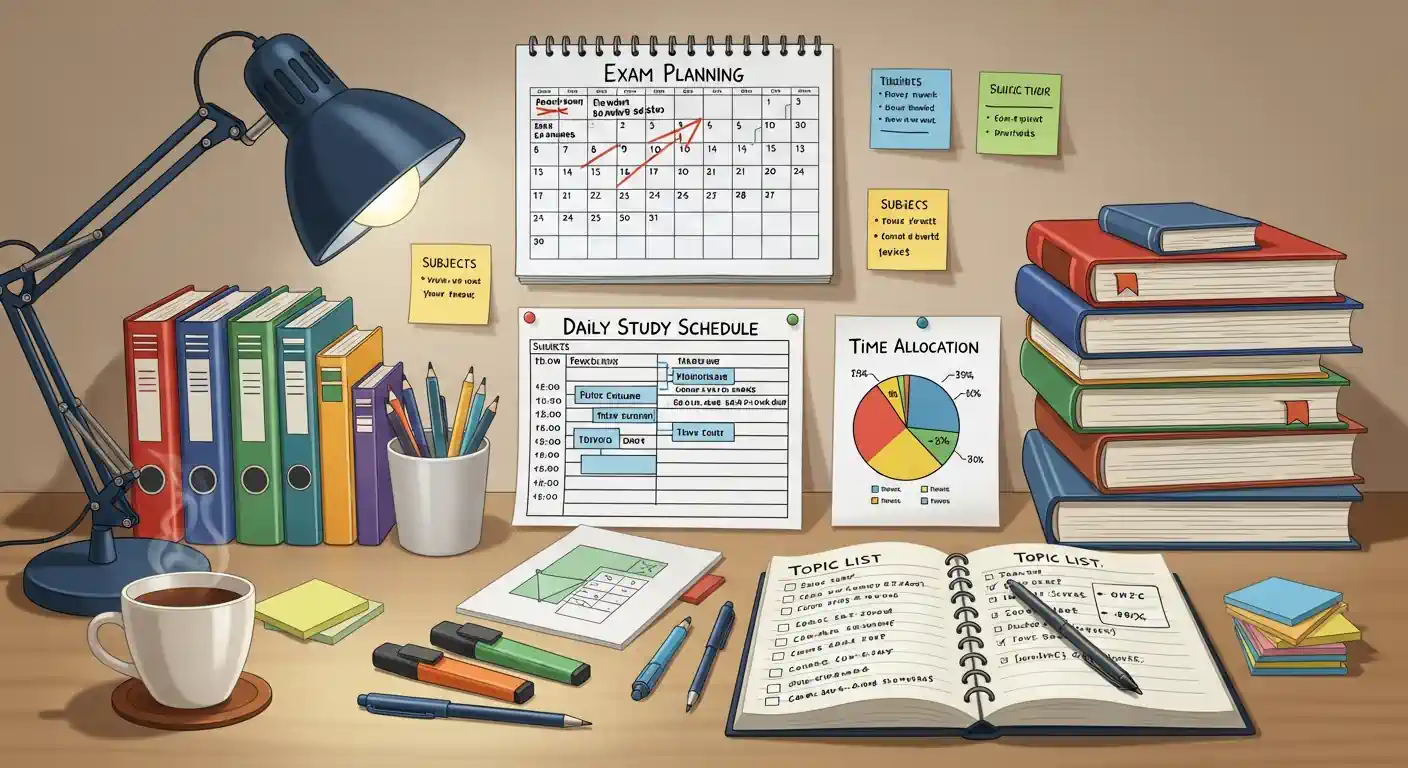
Confidence-Building for Exams: Overcome Test Anxiety
Facing exams can be a daunting experience, often accompanied by a surge of stress and anxiety. Many students struggle not just with the material, but with the overwhelming pressure that can undermine their performance. This article is your comprehensive guide to confidence-building for exams and developing effective strategies to overcome test anxiety. We’ll explore practical techniques, psychological insights, and actionable steps to transform your pre-exam jitters into a powerful sense of self-assurance, ensuring you perform at your best when it matters most.
Key Points for Overcoming Test Anxiety:
- Strategic Preparation: Master content and practice under exam conditions.
- Mindset Shift: Cultivate a growth mindset and challenge negative thoughts.
- Stress Management: Implement relaxation and mindfulness techniques.
- Physical Well-being: Prioritize sleep, nutrition, and exercise.
- Post-Exam Reflection: Learn from experiences to build future resilience.
Understanding and Managing Exam Stress
Test anxiety is more than just feeling nervous; it's a psychological state where excessive worry about an exam significantly impairs performance. This can manifest physically as a racing heart or mentally as a blank mind. Understanding the roots of this anxiety is the first step in confidence-building for exams. Often, it stems from a fear of failure, perfectionism, or past negative experiences. Recognizing these triggers allows you to address them directly.
One key aspect of managing exam stress involves understanding its physiological impact. When under stress, your body releases hormones like cortisol, which can impair cognitive functions such as memory recall and focus. Effective strategies aim to mitigate this hormonal response. For more information on stress and its effects, readers can explore related articles on stress management techniques.
Strategic Preparation: The Foundation of Exam Confidence
Solid preparation is arguably the most critical component of confidence-building for exams. It’s not just about studying hard, but studying smart. A well-structured study plan can significantly reduce uncertainty and build a strong sense of readiness.
Effective Study Techniques for Boosting Self-Assurance:
- Active Recall: Instead of passively rereading notes, actively test yourself. This strengthens memory pathways and highlights areas needing more attention. Flashcards and self-quizzing are excellent tools.
- Spaced Repetition: Distribute your study sessions over time rather than cramming. This improves long-term retention and reduces the feeling of being overwhelmed.
- Practice Under Exam Conditions: Simulate the actual exam environment. Set a timer, work through past papers, and avoid distractions. This helps you get comfortable with the pressure and pacing. A study published in the Journal of Educational Psychology in 2024 highlighted that students who regularly engaged in simulated testing reported significantly lower levels of test anxiety.
- Break Down Material: Large topics can seem daunting. Divide your study material into smaller, manageable chunks. This makes the learning process feel less overwhelming and more achievable.
Beyond these techniques, understanding your learning style can further enhance your preparation. Some students thrive with visual aids, while others prefer auditory or kinesthetic methods. Tailoring your study approach to your individual needs can dramatically improve comprehension and retention, directly contributing to your exam preparation confidence.
Cultivating a Positive Mindset to Overcome Test Anxiety
Your mindset plays a pivotal role in how you approach and perform in exams. Negative self-talk and catastrophic thinking can severely undermine your efforts. Shifting to a positive, growth-oriented mindset is crucial for overcoming test anxiety.
Mindset Shifts for Enhanced Exam Performance:
- Challenge Negative Thoughts: When thoughts like "I'm going to fail" or "I can't do this" arise, actively question them. Replace them with realistic, positive affirmations such as "I am prepared" or "I will do my best." This cognitive restructuring is a powerful technique.
- Focus on Effort, Not Just Outcome: Understand that your worth isn't solely defined by an exam score. Emphasize the effort you put into learning and preparing. This reduces the pressure to be perfect and allows for a more productive approach. A recent meta-analysis in Educational Review (2023) confirmed that a growth mindset significantly correlates with improved academic resilience and reduced anxiety.
- Visualize Success: Before the exam, take a few moments to visualize yourself calmly and confidently answering questions, successfully completing the test. This mental rehearsal can prime your brain for positive performance.
- Embrace Imperfection: It's okay not to know every single answer. Accept that you've done your best with the preparation you've had. This acceptance can significantly reduce performance anxiety.
Practical Strategies for Managing Pre-Exam Stress
Even with thorough preparation and a positive mindset, some level of pre-exam stress is normal. The key is to have practical tools to manage it effectively. These strategies are vital for reducing pre-exam jitters and maintaining composure.
Immediate Techniques to Calm Nerves:
- Deep Breathing Exercises: When anxiety strikes, your breathing often becomes shallow and rapid. Practice slow, deep breaths. Inhale deeply through your nose for four counts, hold for four, and exhale slowly through your mouth for six counts. Repeat several times. This activates the parasympathetic nervous system, promoting relaxation.
- Progressive Muscle Relaxation (PMR): Tense and then relax different muscle groups throughout your body. Start from your toes and work your way up to your head. This helps release physical tension often associated with stress.
- Mindfulness Meditation: Even a few minutes of focused attention on your breath or surroundings can ground you and pull you away from anxious thoughts. Apps and guided meditations can be very helpful.
- Short Physical Activity: A brisk walk or some light stretching can help burn off excess adrenaline and clear your head. Just 10-15 minutes can make a difference.
- Limit Information Overload: In the hours leading up to the exam, avoid frantic last-minute cramming or discussing the material excessively with peers, which can heighten anxiety. Trust your preparation.
The Role of Physical Well-being in Confidence-Building
Often overlooked, your physical health forms the bedrock of your mental resilience and confidence-building for exams. Neglecting sleep, nutrition, and exercise can exacerbate test anxiety.
Essential Habits for Optimal Exam Performance:
- Prioritize Sleep: Aim for 7-9 hours of quality sleep, especially in the days leading up to an exam. Sleep deprivation impairs memory, concentration, and emotional regulation. A study in Sleep Health (2025) indicated a strong correlation between consistent sleep patterns and reduced academic stress.
- Balanced Nutrition: Fuel your brain with nutritious foods. Avoid excessive sugar and caffeine, which can lead to energy crashes and increased jitters. Focus on whole grains, lean proteins, fruits, and vegetables.
- Regular Exercise: Physical activity is a powerful stress reliever. It releases endorphins, improves mood, and can help you sleep better. Even moderate exercise can significantly impact your ability to overcome test anxiety.
- Stay Hydrated: Dehydration can lead to fatigue and difficulty concentrating. Keep a water bottle handy throughout your study sessions and on exam day.
Post-Exam Reflection and Future Resilience
Confidence-building for exams isn't just about the preparation and the exam itself; it also involves what you do afterward. Reflecting on your experience, regardless of the outcome, is crucial for growth and building resilience for future challenges.
Learning from Every Exam Experience:
- Review Your Performance: Objectively analyze what went well and what could be improved. Did your study methods work? Were there specific types of questions that tripped you up?
- Acknowledge Your Efforts: Regardless of the score, acknowledge the hard work and dedication you put in. Celebrate small victories.
- Adjust Your Strategy: Use the insights gained to refine your study techniques, time management, or stress-reduction methods for the next exam. This iterative process is key to continuous improvement.
- Seek Feedback: If possible, discuss your exam with your instructor to gain a deeper understanding of areas for improvement.
Frequently Asked Questions About Overcoming Test Anxiety
How can I stop my mind from going blank during an exam?
To prevent your mind from going blank, practice deep breathing exercises before and during the exam. If you feel stuck, close your eyes for a few seconds, take a slow breath, and try to recall related information. Start with easier questions first to build momentum. Visualizing success and having a well-structured study plan also significantly reduce the likelihood of a mental block.
What are some quick ways to calm down right before an exam?
Right before an exam, focus on controlled breathing – inhale for 4, hold for 4, exhale for 6. You can also try progressive muscle relaxation by tensing and relaxing different muscle groups. Listen to calming music, or engage in a brief, mindful walk. Avoid last-minute cramming and trust the preparation you've already done.
Is test anxiety a sign of poor preparation?
Not necessarily. While poor preparation can contribute to anxiety, test anxiety can affect even well-prepared students. It's often linked to perfectionism, fear of failure, or past negative experiences rather than a lack of knowledge. Focusing on mental strategies and stress management techniques is crucial, regardless of your study habits.
How can I maintain confidence throughout the entire exam period?
Maintaining confidence throughout the exam period involves consistent self-care and strategic planning. Break down your study schedule into manageable chunks, ensuring you allocate time for breaks, exercise, and sleep. Regularly practice positive affirmations and mindfulness. Celebrate small achievements in your study process to reinforce a sense of progress and capability.
Conclusion: Empower Your Exam Journey
**Confidence-building for