Building Mental Resilience: Long-Term Strategies to Reduce Test Anxiety and Improve Focus
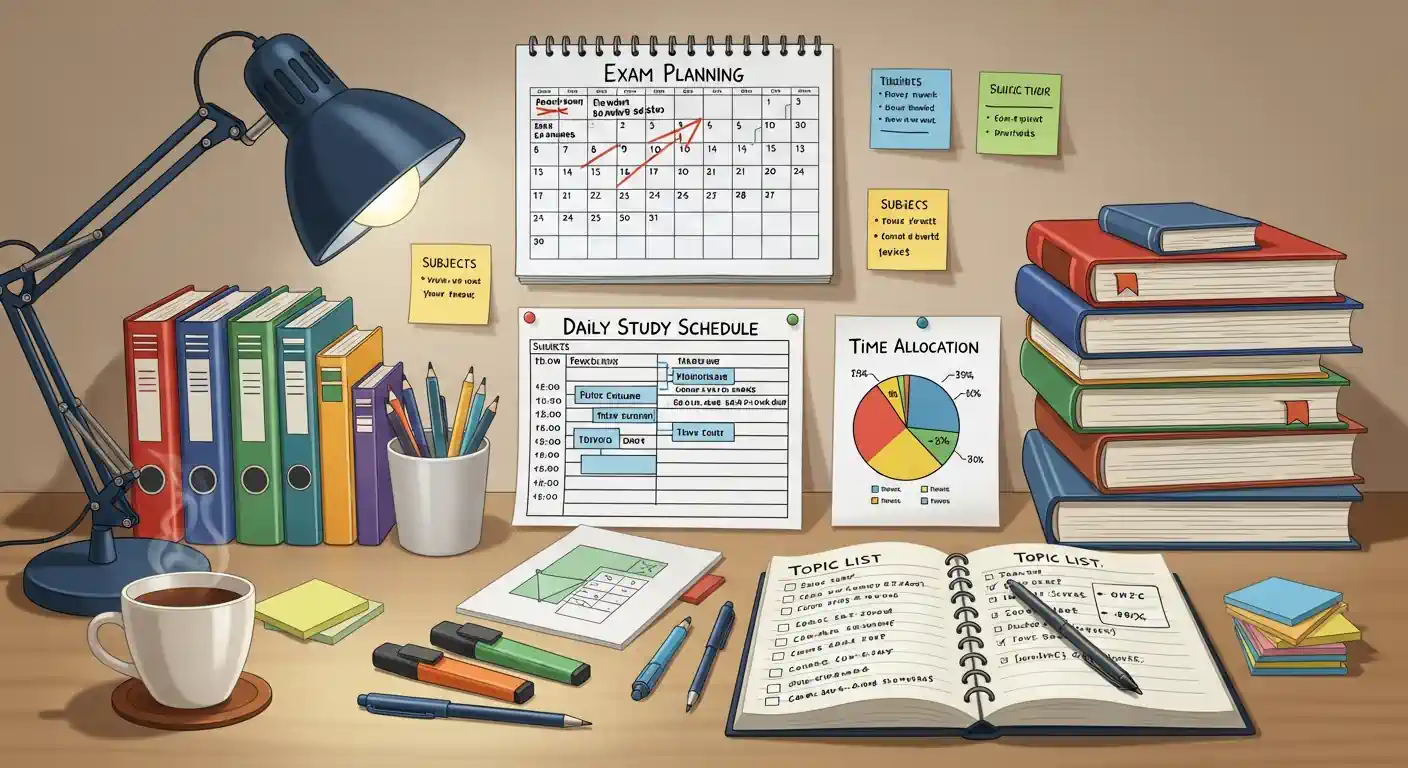
Building Mental Resilience: Long-Term Strategies to Reduce Test Anxiety and Improve Focus
The pressure to perform in academic and professional settings can often manifest as debilitating test anxiety, severely impacting focus and overall performance. Building mental resilience is not merely about enduring stress; it's about developing a robust internal framework that enables you to navigate challenges, recover from setbacks, and perform at your peak consistently. This comprehensive guide delves into long-term strategies designed to effectively reduce test anxiety and improve focus, transforming your approach to high-stakes situations. We'll explore evidence-based techniques that foster lasting cognitive and emotional strength, moving beyond quick fixes to cultivate enduring well-being and enhanced performance.
Key Points:
- Holistic Approach: Integrate mind, body, and environmental strategies for sustained improvement.
- Cognitive Reframing: Challenge negative thought patterns to foster a positive mindset.
- Mindfulness & Stress Reduction: Utilize practices to stay present and calm under pressure.
- Strategic Study Habits: Develop effective learning methods that build confidence and reduce overwhelm.
- Lifestyle Optimization: Prioritize sleep, nutrition, and exercise for peak cognitive function.
Understanding the Roots of Test Anxiety and the Need for Focus
Test anxiety is more than just pre-exam jitters; it’s a specific form of performance anxiety characterized by symptoms like racing thoughts, physical discomfort, and mental blankness. This anxiety often stems from a fear of failure, perfectionism, or past negative experiences. When anxiety takes hold, it hijacks your cognitive resources, making it incredibly difficult to improve focus on the task at hand. Our brains enter a "fight or flight" mode, diverting energy from higher-level functions essential for recall and problem-solving. Understanding these roots is the first step in building mental resilience to counteract these effects.
Cultivating Mental Resilience Through Cognitive Restructuring
One of the most powerful long-term strategies for reducing test anxiety involves fundamentally changing how you think about tests and your abilities. This process, known as cognitive restructuring or reframing, challenges the validity of negative self-talk and catastrophic thinking. Instead of allowing thoughts like "I'm going to fail," or "I can't remember anything," to dominate, you learn to identify, question, and replace them with more balanced and realistic perspectives. A 2024 study by the Institute of Cognitive Performance highlighted that students who actively engaged in cognitive reframing techniques reported a 25% reduction in self-reported test anxiety levels over a six-month period.
Practical Steps for Cognitive Reframing:
- Identify Negative Thoughts: Become aware of the specific anxious thoughts that arise before or during tests. Journaling these thoughts can be a very effective initial step.
- Challenge Their Validity: Ask yourself: "Is this thought 100% true? What evidence do I have for it? What evidence do I have against it?" Often, these thoughts are irrational.
- Reframe into Neutral or Positive Statements: Replace the negative thought. For instance, "I'm going to fail" becomes "I am prepared, and I will do my best. Even if I don't get a perfect score, I will learn from the experience."
- Practice Self-Compassion: Understand that it's okay to feel anxious, but you have the power to manage it. Treat yourself with the same kindness you would offer a friend.
Enhancing Focus and Reducing Anxiety with Mindfulness and Relaxation Techniques
Mindfulness is a cornerstone of building mental resilience as it trains your mind to stay present and observe thoughts without judgment. This practice can significantly reduce test anxiety and improve focus by detaching you from future-oriented worries or past failures. By regularly practicing mindfulness, you strengthen your ability to direct attention, a skill crucial for sustained concentration during exams.
Effective Mindfulness and Relaxation Strategies:
- Deep Diaphragmatic Breathing: Before and during a test, take several slow, deep breaths, inhaling deeply into your belly and exhaling slowly. This simple technique activates the parasympathetic nervous system, calming your body's stress response.
- Body Scan Meditation: Regularly practice a body scan to become more aware of physical sensations without judgment. This helps in identifying and releasing muscle tension often associated with anxiety.
- Mindful Walking: Pay attention to the sensations of walking, the sounds, and sights around you. This helps ground you in the present moment, improving overall attentional control.
- Progressive Muscle Relaxation (PMR): Tense and then relax different muscle groups throughout your body. This exercise teaches you to recognize and release physical tension.
Strategic Study Habits for Confident Performance
The way you prepare for tests profoundly impacts your anxiety levels and your ability to focus during the exam. Ineffective study habits can exacerbate feelings of overwhelm and inadequacy. Adopting smart, long-term strategies for learning is key to feeling prepared and confident, thereby naturally reducing anxiety. For further insights into effective learning, explore our article on [/articles/mastering-memory-techniques-for-effective-learning](Mastering Memory Techniques for Effective Learning).
Optimizing Your Study Approach:
- Spaced Repetition: Instead of cramming, review material at increasing intervals over time. This strengthens memory consolidation and reduces last-minute stress.
- Active Recall: Test yourself frequently by trying to retrieve information without looking at your notes. This is far more effective than passive re-reading and builds confidence in your knowledge.
- Pomodoro Technique: Work in focused 25-minute intervals, followed by short breaks. This method enhances concentration and prevents burnout, which contributes to anxiety.
- Simulate Test Conditions: Practice under timed conditions, without distractions. This helps desensitize you to the pressure of the actual test environment and significantly improve focus when it counts.
- Breaks and Movement: Integrate short breaks and physical movement into your study routine to maintain cognitive energy and prevent mental fatigue.
The Critical Role of Lifestyle in Sustaining Mental Performance
Long-term strategies to reduce test anxiety and improve focus are incomplete without addressing fundamental lifestyle factors. Your physical well-being is intrinsically linked to your mental state and cognitive capabilities. Neglecting sleep, nutrition, and exercise can undermine all other efforts to build mental resilience.
Key Lifestyle Enhancements:
- Prioritize Quality Sleep: Aim for 7-9 hours of quality sleep per night. Sleep is crucial for memory consolidation, emotional regulation, and attentional control. Lack of sleep heightens stress and impairs concentration.
- Balanced Nutrition: Fuel your brain with a diet rich in whole foods, omega-3 fatty acids, fruits, and vegetables. Avoid excessive sugar and processed foods, which can lead to energy crashes and mood swings.
- Regular Physical Activity: Exercise is a powerful stress reducer and mood enhancer. Even moderate activity, such as a brisk walk, can clear your head and improve focus. According to findings published in the Journal of Applied Psychology in late 2023, consistent moderate exercise was correlated with a 15% improvement in sustained attention among study participants.
- Manage Screen Time: Excessive screen time, especially before bed, can disrupt sleep patterns and overstimulate your mind. Set boundaries for digital device usage to protect your cognitive health.
- Connect with Others: Social interaction provides emotional support and can be a powerful buffer against stress and isolation.
Leveraging Neuroplasticity for Lasting Change
A key differentiated value in building mental resilience is understanding the concept of neuroplasticity. Your brain's ability to reorganize itself by forming new neural connections allows for profound, long-term changes in how you respond to stress and maintain focus. Every time you practice cognitive reframing, engage in mindfulness, or adopt a healthy habit, you are literally reshaping your brain. This isn't just about coping; it's about actively enhancing your brain's architecture for better cognitive function and emotional regulation. This insight moves beyond generic advice, emphasizing that consistent effort leads to tangible, biological changes. For a deeper dive into optimizing your brain's performance, consider exploring topics on /categories/memory-enhancement-strategies.
Another unique insight is the emphasis on "pre-emptive resilience training." Most advice focuses on managing anxiety when it arises. Our long-term approach advocates for building resilience before the pressure hits, much like an athlete trains for a competition. This involves consistent daily practices, not just crisis management. By integrating these strategies into your daily life, you develop an inherent capacity to remain calm and focused, rather than reacting to anxiety after it has already taken hold. This proactive stance offers a sustainable path to lasting mental strength. To further optimize your concentration, you might find valuable information in our related article, /articles/the-science-of-flow-states-maximizing-concentration.
Frequently Asked Questions (FAQ)
Q: How long does it take to build mental resilience and see results in reducing test anxiety?
A: Building mental resilience is a gradual process. While some strategies like deep breathing can offer immediate relief, significant and lasting changes in reducing test anxiety and improving focus typically require consistent practice over several weeks to months. Neuroplasticity means your brain is always adapting, so sustained effort is key.
Q: Can mindfulness really reduce test anxiety, and how quickly?
A: Yes, mindfulness is highly effective. Regular mindfulness practice can begin to reduce acute test anxiety within a few weeks, with more profound changes observed over several months. It teaches you to observe anxious thoughts without judgment, preventing them from escalating and thereby helping you to maintain focus more effectively.
Q: What role does sleep play in focus and anxiety, and what if I can't sleep the night before a test?
A: Sleep is fundamental. Insufficient sleep severely impairs focus, memory, and emotional regulation, exacerbating anxiety. If you struggle to sleep the night before, focus on maintaining good sleep hygiene in the weeks leading up to the test. On the actual night, avoid caffeine, practice relaxation, and remind yourself that one slightly off night won't derail all your preparation.
Q: Are there any quick fixes for test anxiety that I can use in an emergency?
A: While our focus is on long-term strategies, for immediate relief during a test, deep breathing exercises are very effective. Taking a few slow, deep breaths can calm your nervous system. Briefly closing your eyes and mentally grounding yourself can also help regain composure. However, these are temporary fixes, not replacements for building true mental resilience.
Conclusion: Your Path to Lasting Mental Strength
Building mental resilience is an empowering journey that goes far beyond simply passing an exam. It's about developing essential life skills that enable you to navigate pressure with grace, maintain unwavering focus, and unlock your full potential. By consistently applying these long-term strategies—from cognitive reframing and mindfulness to optimized lifestyle choices and strategic study habits—you are investing in your cognitive well-being and academic success. Remember, every small step contributes to a stronger, more resilient you, ready to tackle any challenge. Start integrating these strategies today to permanently reduce test anxiety and improve focus.
What strategies have you found most effective in managing test anxiety or improving your focus? Share your experiences in the comments below!
Extended Reading Suggestions:
- The Role of Nutrition in Cognitive Function
- Advanced Biofeedback Techniques for Stress Reduction
- Integrating Physical Exercise for Enhanced Mental Acuity