Building Exam Confidence: Techniques to Ace Your Next Test
Feeling the pre-exam jitters? You're not alone. The pressure to perform well on tests can often lead to anxiety, undermining even the best preparation. But what if you could transform that apprehension into a focused, confident approach? Building exam confidence isn't about magic; it's about implementing strategic techniques that prepare your mind and body for success. This guide will equip you with proven methods to ace your next test, moving beyond simple memorization to cultivate genuine self-assurance.
This article dives deep into practical strategies for developing robust exam confidence. We'll explore the psychological aspects of test-taking, effective study habits, and in-the-moment tactics to help you perform at your peak.
Key Points:
- Mindset Mastery: Cultivate a positive and growth-oriented approach to challenges.
- Strategic Preparation: Develop effective study habits that build deep understanding.
- Simulated Practice: Utilize practice tests to hone your skills and reduce anxiety.
- Well-being Focus: Prioritize physical and mental health for optimal performance.
- In-Test Tactics: Employ strategies to manage time and maintain composure during the exam.
Mastering Your Mindset for Exam Confidence
The foundation of acing any test lies in your mental approach. Often, our biggest obstacle isn't a lack of knowledge, but a lack of confidence in our ability to recall and apply it under pressure. Building exam confidence begins with understanding and rewiring our internal dialogue.
Cultivating a Growth Mindset
A growth mindset, as popularized by psychologist Carol Dweck, is crucial for developing resilience and a proactive attitude towards learning and assessment. Instead of viewing exams as a measure of innate intelligence, frame them as opportunities to learn and demonstrate progress. Embrace challenges as chances to grow, and view setbacks as temporary learning experiences, not as indicators of permanent failure. This shift in perspective can significantly reduce exam anxiety.
Visualizing Success
The power of visualization is well-documented. Before your exam, take a few moments to vividly imagine yourself succeeding. Picture yourself calmly reading questions, confidently recalling information, and completing the test with a sense of accomplishment. This mental rehearsal can program your mind for success, making the actual experience feel more familiar and less intimidating. Think of it as a mental dress rehearsal that primes you for peak performance.
Managing Negative Self-Talk
Exams often trigger negative internal monologues: "I'm going to fail," "I haven't studied enough," or "Everyone else knows more than me." Actively challenge these thoughts. When a negative thought arises, pause, question its validity, and replace it with a more balanced and positive affirmation, such as, "I've prepared well, and I'll do my best," or "I can handle this." This conscious effort to redirect your thoughts is a cornerstone of building exam confidence.
Strategic Preparation: The Bedrock of Confidence
Genuine confidence stems from knowing you've put in the work. Effective study strategies go beyond rote memorization and aim for deep understanding, which is far more conducive to performing well under pressure.
Active Recall and Spaced Repetition
Instead of passively rereading notes, engage in active recall. This involves testing yourself regularly without looking at your materials. Ask yourself questions, try to explain concepts in your own words, or create flashcards. Combine this with spaced repetition, a technique where you review material at increasing intervals. This method strengthens memory retention and ensures knowledge becomes deeply ingrained, making it readily accessible during an exam. For more on effective learning techniques, explore resources on cognitive science and memory.
Understanding vs. Memorizing
True confidence comes from understanding the why behind the information, not just the what. Focus on grasping the underlying principles, connections, and applications of the material. When you understand a concept, you can explain it, apply it to new situations, and even identify potential errors, all of which are vital for exam success. This deeper level of learning is far more robust than simple memorization.
Creating a Study Schedule
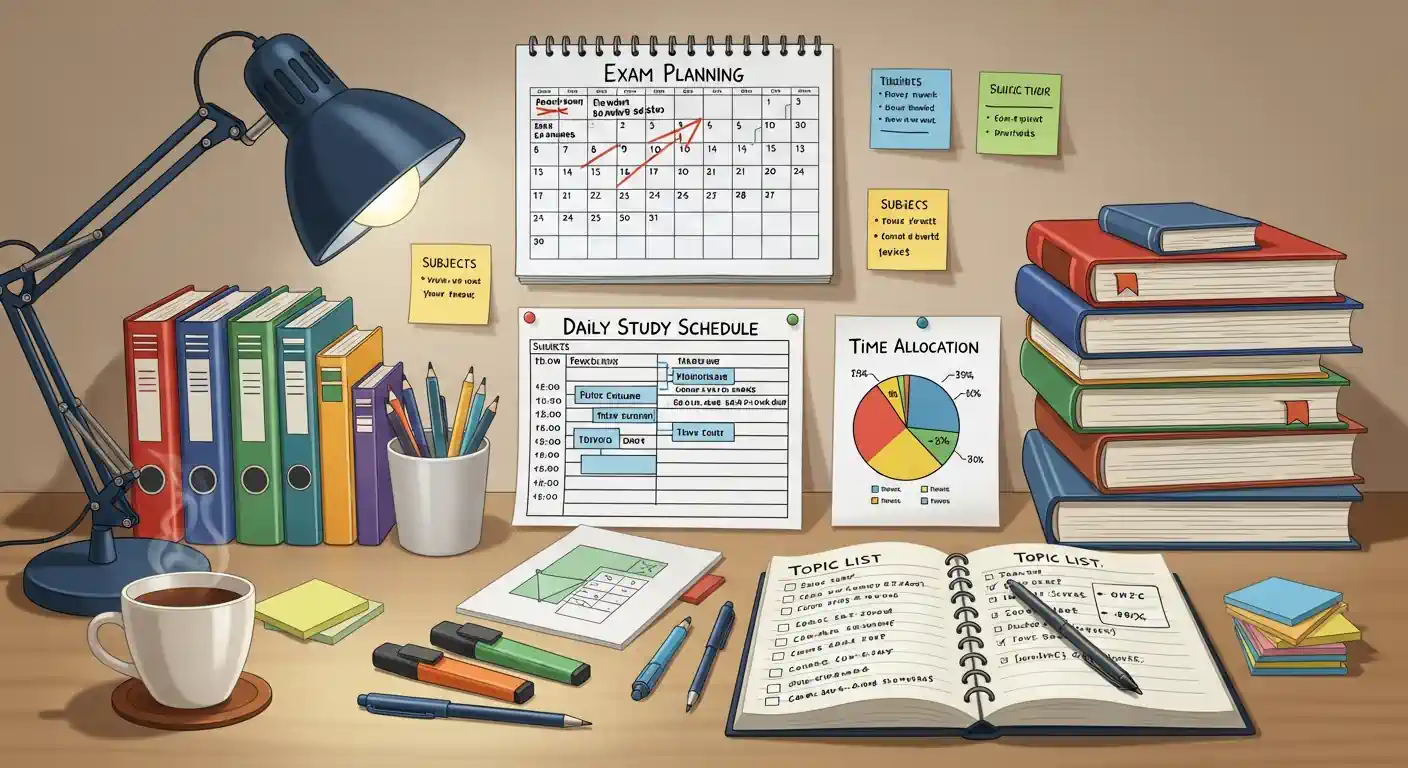
A well-structured study schedule reduces last-minute panic and ensures comprehensive coverage of the syllabus. Break down the material into manageable chunks and allocate specific times for studying each topic. Be realistic about your capacity and incorporate breaks. A consistent schedule builds discipline and fosters a sense of control, which are powerful confidence boosters.
The Power of Practice Tests
Practice tests are not just a way to gauge your knowledge; they are a critical tool for building exam confidence and refining your test-taking strategy.
Simulating Exam Conditions
To maximize the effectiveness of practice tests, replicate actual exam conditions as closely as possible. This means working in a quiet environment, using only permitted materials, and adhering strictly to time limits. This simulation helps you get accustomed to the pressure and rhythm of an exam, reducing surprises on the real day.
Identifying Weaknesses and Strengths
Analyzing your performance on practice tests is invaluable. Identify areas where you consistently make mistakes or struggle with time. Conversely, note subjects where you excel. This feedback allows you to tailor your subsequent study efforts, focusing on shoring up weaknesses and leveraging your strengths. This targeted approach is far more efficient than general review.
Familiarizing Yourself with Question Types
Different exams employ various question formats (multiple-choice, essay, short answer, problem-solving). Practice tests expose you to these formats, allowing you to develop specific strategies for each. Understanding the nuances of how questions are phrased and what is expected in the answer can prevent misinterpretations and improve accuracy.
Prioritizing Well-being for Optimal Performance
Your physical and mental state has a direct impact on your cognitive abilities and confidence levels. Neglecting your well-being can sabotage even the best preparation.
The Importance of Sleep
Adequate sleep is non-negotiable for optimal brain function. During sleep, your brain consolidates memories and processes information. Aim for 7-9 hours of quality sleep each night, especially in the days leading up to an exam. Avoid all-night study sessions, as they are counterproductive and significantly impair cognitive performance.
Nutrition and Hydration
Fueling your body with nutritious food and staying hydrated are essential for maintaining energy and focus. Opt for balanced meals rich in fruits, vegetables, and whole grains. Limit processed foods, excessive sugar, and caffeine, which can lead to energy crashes. Water is vital for cognitive function, so keep a water bottle handy.
Stress Management Techniques
Incorporate stress-reducing activities into your routine. This could include mindfulness, meditation, deep breathing exercises, yoga, or light physical activity. Finding healthy ways to manage stress can prevent it from escalating into overwhelming anxiety, allowing you to approach your exam with a clearer, calmer mind.
In-Test Strategies to Ace Your Exam
Even with thorough preparation, maintaining composure and employing smart strategies during the exam itself is key to translating your knowledge into a successful outcome.
Time Management on Exam Day
Before you begin, quickly scan the entire exam to understand its scope and allocate your time accordingly. For multiple-choice sections, don't spend too long on any single question; make your best guess and move on, marking it for review if time permits. For essay questions, outline your points before you start writing to ensure a coherent and comprehensive response.
Reading Questions Carefully
It sounds simple, but many mistakes are made by not fully reading or understanding the question. Pay close attention to keywords like "always," "never," "except," and "most." If you're unsure about a question's intent, reread it, or break it down into smaller parts. This careful attention can prevent costly errors.
Staying Calm and Focused
If you feel anxiety creeping in, take a few deep breaths. Remind yourself of your preparation and your ability to succeed. If you encounter a difficult question, don't dwell on it. Move to the next one and return to the challenging question later if time allows. Maintaining a steady focus is more important than answering every single question perfectly.
Differentiated Insights for Exam Conquerors
While many guides cover basic study tips, true confidence building often involves deeper psychological and practical strategies that set high achievers apart.
Leveraging Biases for Effective Learning
Understanding cognitive biases can actually help you study more effectively. For example, the Zeigarnik effect suggests that we remember unfinished tasks better than completed ones. This can be used to your advantage by intentionally leaving certain topics partially reviewed or questions unanswered in practice sessions, prompting your brain to keep them at the forefront. Similarly, the testing effect (a form of active recall) is a powerful bias that enhances memory far beyond passive review. By deliberately testing yourself frequently, you leverage this bias to solidify knowledge.
The Role of "Friction" in Learning
Sometimes, introducing a small amount of "friction" into your study process can lead to more robust learning and confidence. For example, instead of having all your notes digitized and easily searchable, printing key summaries and using physical highlighters can create a more deliberate, tactile learning experience. This slightly slower, more involved process can deepen engagement and improve recall because it requires more cognitive effort. Similarly, intentionally making yourself look up an answer after a strong initial attempt, rather than immediately checking, can reinforce the learning process.
Frequently Asked Questions (FAQ)
Q1: How can I overcome the fear of failure before an exam? Shift your focus from the outcome to the process. Remind yourself of the effort you've invested. Reframe the exam as a learning opportunity rather than a final judgment. Visualize successful completion, and practice positive affirmations to counter negative self-talk.
Q2: What's the best way to manage my time during a timed exam? Scan the exam first to gauge its difficulty and length. Allocate a specific amount of time for each section or question based on its point value. If you get stuck on a question, make your best guess and move on, marking it for review if time permits. Avoid spending too much time on any single item.
Q3: Is it better to study for long periods or in shorter bursts? For long-term retention and deeper understanding, shorter, focused study sessions (e.g., 45-60 minutes) followed by short breaks are generally more effective than marathon study sessions. This approach aligns with principles like spaced repetition and helps prevent burnout.
Q4: How important is sleep before an exam? Extremely important. Sleep is crucial for memory consolidation and cognitive function. Prioritizing 7-9 hours of quality sleep in the days leading up to an exam significantly improves your ability to recall information and perform at your best. All-night study sessions are detrimental.
Your Path to Exam Mastery
Building exam confidence is an ongoing journey, not a destination. It requires a blend of diligent preparation, strategic thinking, and self-care. By implementing the techniques outlined above—cultivating a growth mindset, employing active study methods, practicing under exam conditions, and prioritizing your well-being—you can transform your approach to testing. Remember, confidence is earned through preparation and practice.
For further exploration into cognitive strategies for learning, consider delving into topics like metacognition and evidence-based study techniques. If you found this guide helpful, please share your own tips for building exam confidence in the comments below! Don't forget to subscribe for more insights on academic success and personal development.
This article will be updated periodically to reflect the latest research in cognitive psychology and educational best practices. Future expansions may include advanced techniques for specific exam types (e.g., standardized tests, thesis defenses) and deeper dives into managing test anxiety with professional support.