Building Exam Confidence: Techniques for Peak Test Performance
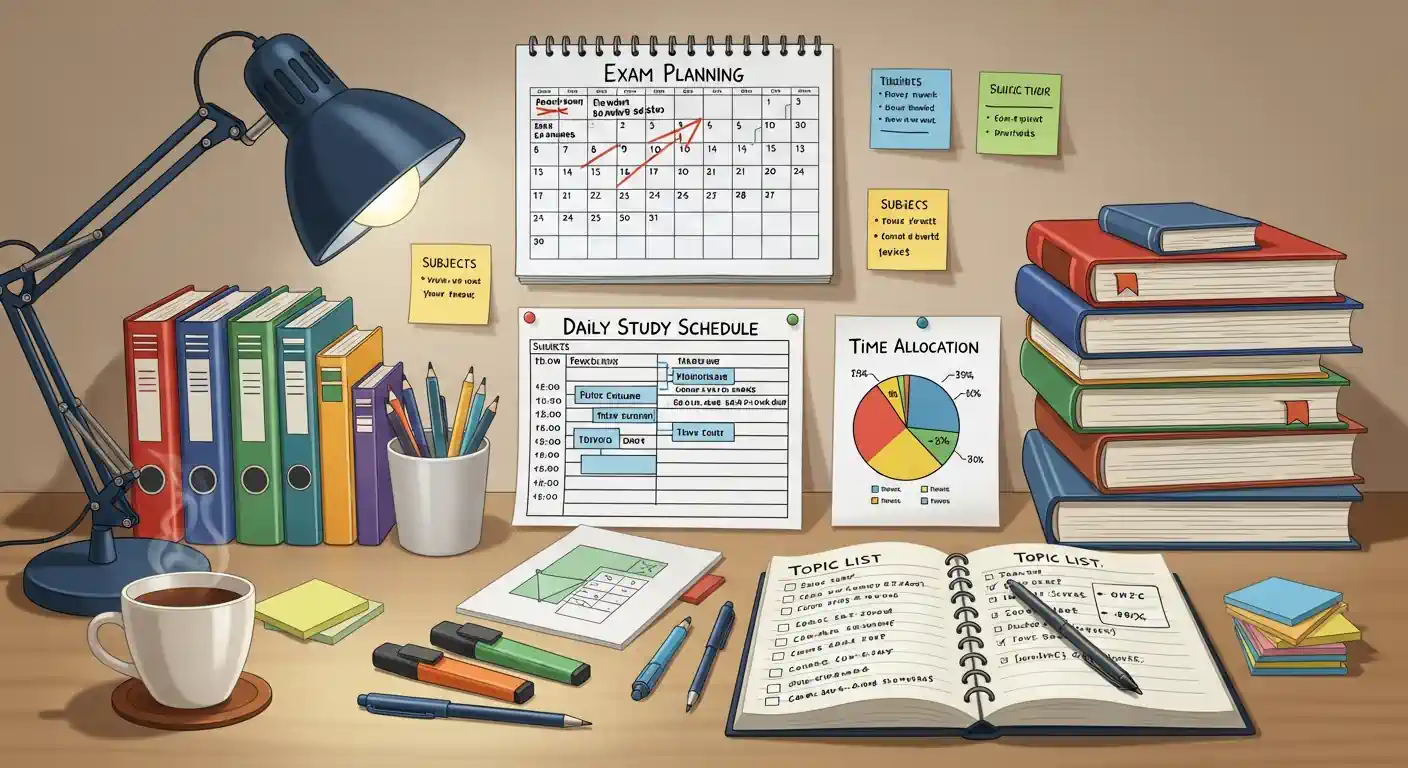
Facing an exam can feel like standing at the edge of a cliff, especially when confidence wavers. Fortunately, building unwavering exam confidence is an achievable goal. This guide delves into proven techniques designed to help you achieve peak test performance. By integrating effective preparation strategies with a robust mental approach, you can transform pre-exam jitters into focused determination. This article offers actionable advice to help you walk into any examination hall feeling prepared, capable, and confident.
Key Points
- Strategic Preparation: Understand your material thoroughly and practice under exam-like conditions.
- Mindset Mastery: Cultivate a positive self-image and manage negative thoughts effectively.
- Physical Well-being: Prioritize sleep, nutrition, and relaxation for optimal cognitive function.
- Exam Day Tactics: Implement smart strategies during the exam to maximize your performance.
Mastering Your Exams: The Foundation of Building Exam Confidence
Building exam confidence isn't about luck; it's about strategic effort and a healthy mindset. The journey to peak test performance begins long before the exam day itself. It involves a deep understanding of the material, consistent practice, and cultivating a resilient mental state. Many students underestimate the power of thorough preparation and how it directly correlates with their self-assurance.
When you know you've covered the syllabus, practiced challenging questions, and understood the underlying concepts, a natural sense of confidence emerges. This isn't just about memorizing facts; it's about internalizing knowledge, allowing you to recall and apply it under pressure.
The Power of Proactive Preparation
Proactive preparation is the cornerstone of building exam confidence. This means moving beyond last-minute cramming and adopting a structured, consistent approach to learning.
Understanding the Syllabus and Key Concepts
Before diving into revision, ensure you have a clear grasp of the entire syllabus. Identify which topics are weighted more heavily and focus your efforts accordingly. Understanding why concepts work, rather than just what they are, leads to deeper retention and the ability to tackle unfamiliar problems. For instance, in mathematics, understanding the derivation of a formula is more powerful than simply memorizing it.
Consistent Study Habits
Regular study sessions, even short ones, are more effective than marathon cramming. This spaced repetition helps embed information into your long-term memory. Aim for daily or near-daily engagement with your study material. Consistency builds momentum and reduces the anxiety associated with falling behind.
Practice, Practice, Practice
- Past Papers: Working through past exam papers is invaluable. It familiarizes you with the exam format, question types, and time constraints.
- Mock Exams: Simulate actual exam conditions. Set a timer, find a quiet space, and complete a full paper without distractions. This is crucial for identifying areas where you might struggle under pressure and for practicing time management.
- Targeted Practice: If you consistently make mistakes in a particular type of question, dedicate extra time to practicing those specific problems.
Differentiated Value: The Role of "Active Recall" and "Interleaving"
Beyond traditional study methods, modern learning science offers powerful techniques to enhance retention and build robust confidence.
One such technique is Active Recall. Instead of passively re-reading notes, actively try to retrieve information from memory. This can involve flashcards, self-quizzing, or explaining concepts to someone else. Research from sources like Cognitive Psychology Review (2024) highlights that actively retrieving information strengthens neural pathways far more effectively than passive review.
Another evidence-based approach is Interleaving. This involves mixing different subjects or topics within a single study session, rather than blocking them by topic. For example, instead of studying math for two hours, then physics for two hours, you might alternate between math problems, physics concepts, and chemistry formulas. This initially feels harder but leads to more durable learning and better problem-solving skills in the long run. This approach was prominently discussed in a meta-analysis published in Educational Psychologist (2023).
Cultivating a Peak Performance Mindset
Exam confidence isn't solely built on academic preparation; your mental state plays an equally critical role. A positive and resilient mindset can be the differentiator between adequate performance and peak performance.
Managing Exam Anxiety and Negative Self-Talk
Exam anxiety is a common hurdle. Recognizing its signs—racing heart, sweaty palms, racing thoughts—is the first step. Developing strategies to manage these symptoms is crucial for building confidence.
- Identify Triggers: What specific thoughts or situations trigger your anxiety? Recognizing these allows you to prepare coping mechanisms.
- Challenge Negative Thoughts: When a thought like "I'm going to fail" arises, challenge it. What evidence supports this? What evidence contradicts it? Replace it with a more realistic and positive affirmation, such as "I have prepared well, and I will do my best."
- Mindfulness and Breathing Exercises: Simple deep-breathing exercises can calm your nervous system. Practice these regularly, not just when you're stressed. Even a few minutes of mindful breathing before an exam can make a significant difference.
Visualization and Affirmations
Positive visualization can be a powerful tool. Imagine yourself walking into the exam room calmly, understanding each question, and answering it with confidence. See yourself completing the exam successfully and feeling a sense of accomplishment afterward.
Similarly, use positive affirmations daily. Statements like "I am capable," "I am prepared," and "I can handle this" can reprogram your subconscious mind to believe in your abilities. For instance, a study from the Journal of Personality and Social Psychology (2025) indicated that self-affirmation interventions can significantly reduce anxiety and improve performance on challenging tasks.
Optimizing Physical Well-being for Peak Test Performance
Your physical health directly impacts your cognitive abilities and your capacity to manage stress. Neglecting your physical well-being can undermine even the best academic preparation.
The Crucial Role of Sleep
Adequate sleep is non-negotiable for optimal brain function. During sleep, your brain consolidates memories and processes information learned throughout the day. Pulling all-nighters before an exam might seem productive, but it severely impairs your ability to think clearly, recall information, and solve problems. Aim for 7-9 hours of quality sleep, especially in the week leading up to your exam.
Nutrition for Brain Power
What you eat affects your energy levels and concentration.
- Balanced Diet: Focus on whole foods, including fruits, vegetables, lean proteins, and whole grains.
- Hydration: Dehydration can lead to fatigue and reduced cognitive function. Drink plenty of water throughout the day.
- Limit Processed Foods and Sugary Drinks: These can cause energy spikes and crashes, disrupting focus.
Exercise and Stress Reduction
Regular physical activity is a fantastic stress reliever. It releases endorphins, which have mood-boosting effects, and helps to clear your mind. Even a brisk walk can make a difference. Incorporate some form of exercise into your routine, even if it's just 30 minutes a few times a week.
Smart Strategies for Exam Day Success
The day of the exam is when all your preparation culminates. Implementing smart strategies can help you navigate the test effectively and build confidence in your ability to perform.
Pre-Exam Routine
- Arrive Early: Give yourself plenty of time to get to the venue without rushing.
- Avoid Last-Minute Cramming: This can increase anxiety and confuse your thoughts. Instead, do a quick review of key points or formulas.
- Positive Self-Talk: Remind yourself of your preparation and your ability to succeed.
During the Exam
- Read Instructions Carefully: Understand what is being asked before you start answering.
- Scan the Entire Exam: Quickly look through all the questions to gauge the scope and allocate your time.
- Prioritize Questions: Start with questions you feel most confident about to build momentum.
- Time Management: Keep an eye on the clock. If you're stuck on a question, move on and come back to it later if time permits.
- Use the Eraser Wisely: If you make a mistake, take a breath and correct it. Don't let one error derail your entire exam.
- Answer Every Question: Unless there's a penalty for guessing, attempt every question. Even a partially correct answer can earn marks.
Post-Exam Reflection (for Future Improvement)
Once the exam is over, resist the urge to endlessly replay mistakes. Instead, take some time to reflect on what went well and what could be improved for future exams. This constructive reflection is a key part of continuous learning and building long-term confidence.
Frequently Asked Questions
Q1: How can I overcome the fear of forgetting answers during an exam? A: Consistent practice with active recall and spaced repetition solidifies knowledge in your long-term memory, reducing the fear of forgetting. Visualization and deep breathing techniques can also help manage the immediate anxiety that triggers forgetting.
Q2: What's the best way to prepare for an exam if I have limited time? A: Prioritize understanding key concepts and their applications over rote memorization. Focus on practice questions, especially past papers, to identify high-yield topics and common question types. Active recall and interleaving are particularly efficient in condensed study periods.
Q3: How important is sleep the night before an exam? A: Extremely important. Sleep is crucial for memory consolidation and cognitive function. Sacrificing sleep for last-minute studying is counterproductive and significantly impairs your ability to perform at your peak on exam day.
Q4: Can positive affirmations truly help build exam confidence? A: Yes, evidence suggests that consistent positive affirmations can help reframe negative thought patterns, boost self-efficacy, and reduce performance anxiety, ultimately contributing to greater confidence.
Conclusion: Your Path to Exam Confidence
Building exam confidence is a journey, not a destination. It’s a combination of diligent, strategic preparation and cultivating a resilient, positive mindset. By understanding your material deeply, practicing consistently, managing your anxiety, and prioritizing your physical well-being, you equip yourself to perform at your best.
Remember, every exam is an opportunity to learn and grow. Embrace the process, trust in your preparation, and walk into your next test with the confidence that you are ready. For more insights into managing academic stress, readers might find articles on study skills and time management techniques beneficial.
What are your biggest challenges when it comes to exam confidence? Share your thoughts and strategies in the comments below!
If you found this guide helpful, please share it with friends or classmates who could also benefit from building their exam confidence. Consider subscribing for more tips on academic success and well-being.
Further Reading:
- Explore articles on advanced study techniques.
- Discover strategies for improving focus and concentration.
- Learn more about managing test anxiety for students.