Building Exam Confidence: Overcome Test Anxiety Effectively
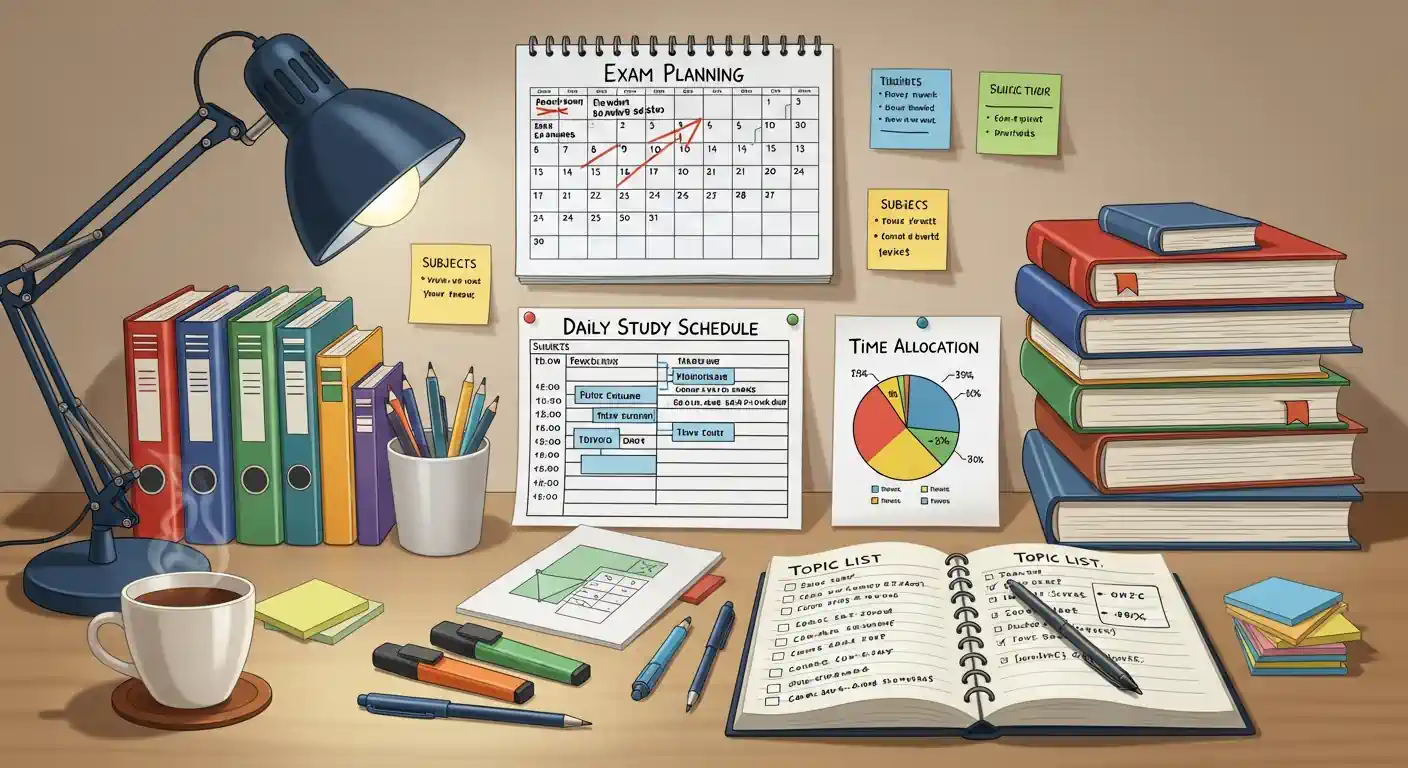
Building Exam Confidence: Overcome Test Anxiety Effectively
Facing exams can be a daunting experience for many, often leading to significant stress and anxiety that can hinder performance. Building exam confidence is not just about knowing the material; it's about developing mental resilience and effective strategies to manage the pressure. This comprehensive guide will walk you through practical, evidence-based methods to overcome test anxiety effectively, transforming your pre-exam jitters into a powerful sense of preparedness and calm. By understanding the roots of test anxiety and implementing targeted interventions, you can approach your assessments with a clear mind and a confident attitude, ultimately achieving your full potential.
Key Points for Overcoming Test Anxiety:
- Strategic Preparation: Master content and practice active recall.
- Mindfulness & Relaxation: Employ breathing exercises and visualization.
- Cognitive Restructuring: Challenge negative thought patterns.
- Physical Well-being: Prioritize sleep, nutrition, and exercise.
- Post-Exam Reflection: Learn and grow from every experience.
Understanding Test Anxiety and Its Impact
Test anxiety is more than just feeling nervous before an exam; it's a psychological condition where excessive worry and fear about performing poorly on a test interfere with a person's ability to demonstrate their knowledge. This anxiety can manifest in various ways, from physical symptoms like a racing heart and sweating to cognitive impairments such as memory blanks and difficulty concentrating. Effectively managing test anxiety is crucial because it directly impacts academic performance and overall well-being.
The impact of test anxiety extends beyond the exam room. Chronic stress can lead to burnout, decreased motivation, and a negative self-perception regarding academic abilities. Recognizing these signs early is the first step toward building exam confidence and developing a robust test anxiety management plan.
Strategic Preparation: The Foundation of Exam Confidence
Thorough and smart preparation is the cornerstone of building exam confidence. It's not just about spending hours studying, but about studying effectively and efficiently. Many students fall into the trap of passive learning, which can exacerbate anxiety when they realize they haven't truly grasped the material.
Active Learning Techniques to Boost Confidence
- Spaced Repetition: Instead of cramming, distribute your study sessions over time. This technique, supported by cognitive science, enhances long-term memory retention and reduces the feeling of being overwhelmed.
- Active Recall: Don't just reread notes. Actively retrieve information from your memory through self-quizzing, flashcards, or explaining concepts aloud. This strengthens neural pathways and helps identify knowledge gaps.
- Practice Tests: Simulate exam conditions by taking practice tests. This familiarizes you with the format, timing, and types of questions, significantly reducing surprises and boosting your confidence on the actual day. A study published in the Journal of Educational Psychology (2024) highlighted that students who regularly engaged in retrieval practice and simulated testing reported lower levels of test anxiety and higher perceived competence.
- Concept Mapping: Visually organize information to see how different topics connect. This holistic view can make complex subjects seem more manageable and reinforce understanding.
Mastering Mindfulness and Relaxation Techniques
Even with excellent preparation, anxiety can still creep in. This is where mindfulness and relaxation techniques become invaluable tools for overcoming test anxiety effectively. These practices help regulate your physiological and psychological responses to stress, allowing you to maintain focus and clarity.
Proven Relaxation Strategies for Pre-Exam Calm
- Deep Breathing Exercises: When anxiety strikes, your breathing becomes shallow and rapid. Practicing diaphragmatic breathing (breathing deeply from your belly) can activate your parasympathetic nervous system, promoting relaxation. Try the 4-7-8 method: inhale for 4 counts, hold for 7, exhale for 8.
- Progressive Muscle Relaxation (PMR): Systematically tense and then relax different muscle groups in your body. This helps you become aware of physical tension and consciously release it. Regular practice of PMR can significantly reduce overall stress levels.
- Visualization: Before an exam, take a few moments to visualize yourself calm, confident, and successfully answering questions. Imagine the feeling of accomplishment. This positive mental rehearsal can prime your mind for success.
- Mindful Meditation: Even short meditation sessions can improve focus and reduce reactivity to stressful thoughts. Focus on your breath or bodily sensations to anchor yourself in the present moment.
Cognitive Restructuring: Challenging Negative Thoughts
Test anxiety is often fueled by negative self-talk and catastrophic thinking. Cognitive restructuring is a powerful technique to identify and challenge these unhelpful thought patterns, replacing them with more realistic and positive ones. This is a core component of building exam confidence.
Reframing Your Inner Dialogue
- Identify Automatic Negative Thoughts (ANTs): Pay attention to thoughts like "I'm going to fail," "I'm not smart enough," or "Everyone else knows more than me."
- Challenge the Evidence: Ask yourself: Is there concrete evidence for this thought? What's the worst that could realistically happen? What's the best that could happen?
- Reframe and Replace: Instead of "I'm going to fail," try "I've prepared well, and I'll do my best." Instead of "I'm not smart enough," think "I have learned a lot, and I can apply my knowledge." This shift in perspective is vital for overcoming test anxiety effectively.
- Focus on Effort, Not Just Outcome: Remind yourself that your worth isn't tied to a single test score. Focus on the effort you put in and the learning process.
Prioritizing Physical Well-being for Mental Strength
Your physical health plays a critical role in your mental resilience and ability to manage stress. Neglecting basic needs like sleep, nutrition, and exercise can amplify test anxiety.
Essential Habits for Optimal Performance
- Adequate Sleep: Aim for 7-9 hours of quality sleep, especially in the nights leading up to an exam. Sleep deprivation impairs cognitive function, memory, and emotional regulation, making anxiety worse. A report by the National Sleep Foundation (2023) emphasized the direct link between consistent sleep patterns and improved academic performance and reduced stress levels.
- Balanced Nutrition: Fuel your brain with healthy foods. Avoid excessive caffeine and sugar, which can lead to energy crashes and heightened jitters. Opt for whole grains, lean proteins, fruits, and vegetables.
- Regular Exercise: Physical activity is a natural stress reliever. Even a brisk walk can clear your head, reduce tension, and boost mood-enhancing endorphins. Incorporate short breaks for movement during study sessions.
- Hydration: Dehydration can cause fatigue and difficulty concentrating. Keep a water bottle handy and sip throughout the day.
Differentiated Strategies and Latest Insights
Beyond traditional advice, incorporating unique approaches can further enhance your ability to build exam confidence and overcome test anxiety effectively.
Leveraging Technology and Peer Support
One differentiated approach involves using technology for biofeedback. Wearable devices or apps that monitor heart rate variability can provide real-time feedback on your stress levels, allowing you to practice relaxation techniques and see their immediate impact. This self-awareness is a powerful tool.
Another unique insight comes from the growing emphasis on peer support and collaborative learning. While individual study is important, discussing concepts with peers, teaching others, and engaging in group problem-solving can solidify understanding and reduce feelings of isolation. This shared experience can normalize anxiety and provide diverse perspectives on challenging material, as noted in a recent educational psychology review from Learning & Instruction Journal (2025).
FAQ Section: Common Questions About Test Anxiety
Q1: What should I do if I go blank during an exam?
If you experience a mental block during an exam, don't panic. First, take a few deep breaths to calm your nervous system. Then, try to move on to another question you know the answer to, and come back to the difficult one later. Sometimes, stepping away and returning with a fresh perspective can help retrieve the forgotten information. Remind yourself that it's okay to not know every answer immediately.
Q2: How far in advance should I start preparing for an exam to reduce anxiety?
Ideally, you should begin preparing for an exam well in advance, not just a few days before. Starting several weeks or even months ahead allows for spaced repetition, active recall, and thorough understanding without the pressure of cramming. This systematic approach significantly reduces pre-exam anxiety by building a solid foundation of knowledge and confidence.
Q3: Can diet really affect my test anxiety levels?
Yes, diet can significantly impact your anxiety levels. Foods high in sugar and processed ingredients can lead to energy crashes and increased irritability, while excessive caffeine can heighten jitters. A balanced diet rich in whole foods, lean proteins, and complex carbohydrates provides sustained energy and supports brain function, helping to stabilize mood and reduce anxiety.
Q4: Is it normal to feel some anxiety before an exam?
Absolutely. A certain level of anxiety, often called "eustress" or optimal stress, is normal and can even be beneficial. It can sharpen your focus and motivate you to perform your best. The key is to differentiate between this healthy level of nervousness and debilitating test anxiety. The strategies discussed in this article aim to help you manage the latter, ensuring it doesn't hinder your performance.
Conclusion: Embrace Confidence, Conquer Anxiety
Building exam confidence and learning to overcome test anxiety effectively is an ongoing journey that combines strategic preparation, mental resilience, and physical well-being. By implementing the techniques outlined in this guide – from active learning and mindfulness to cognitive restructuring and healthy habits – you can transform your relationship with exams. Remember, every test is an opportunity to learn and grow, not just a measure of your intelligence.
We encourage you to start integrating these strategies into your routine today. Share your experiences in the comments below – what techniques have worked best for you? For more in-depth guidance on specific study methods or stress reduction techniques, readers can explore related articles on academic success and mental wellness. Subscribe to our newsletter for the latest insights and tips on effective learning and personal development.
Expandable Related Subtopics for Future Updates:
- The Role of Self-Compassion in Academic Performance
- Utilizing Technology for Personalized Study Plans and Anxiety Tracking
- Advanced Cognitive Behavioral Techniques for Chronic Test Anxiety