Build Unshakeable Confidence for Your Next Big Exam Day
Unlock Your Exam Potential: Build Unshakeable Confidence
Exam days can be daunting, but they don't have to be a source of crippling anxiety. Building unshakeable confidence for your next big exam day is achievable through a combination of strategic preparation, mental fortitude, and effective stress management. This guide will equip you with proven techniques to walk into your exam room feeling calm, collected, and ready to demonstrate your knowledge. By focusing on a holistic approach that addresses both your study habits and your mindset, you can transform exam apprehension into confident performance.
Key Points:
- Strategic Preparation: Thorough study plans and active recall methods.
- Mindset Mastery: Cultivating a positive self-image and managing negative thoughts.
- Physical Well-being: The crucial link between sleep, nutrition, and cognitive function.
- Exam Day Tactics: Practical strategies for pre-exam routines and during the test.
- Post-Exam Reflection: Learning and growth for future success.
The Foundation of Exam Confidence: Strategic Preparation
True confidence stems from knowing you've done the work. A well-structured study plan is the bedrock upon which your exam day confidence will be built. It's not just about putting in hours; it's about how you study. Effective study techniques are paramount to ensuring that information sticks and can be recalled under pressure.
Crafting Your Study Blueprint
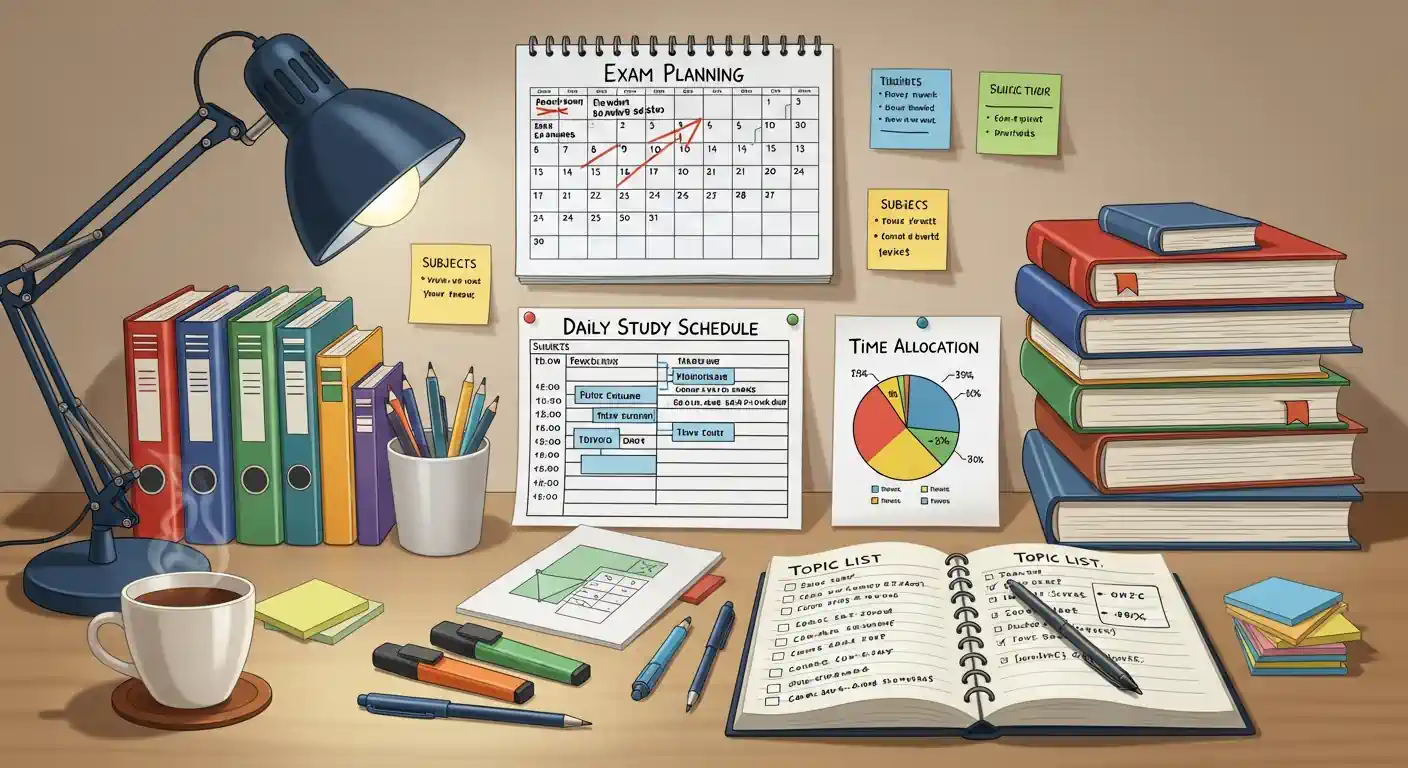
Before diving into material, create a realistic and detailed study schedule. Break down large topics into smaller, manageable chunks. Allocate specific times for each subject, ensuring a balance across your curriculum. Consider using a planner or digital tools to visualize your progress. This structured approach reduces the feeling of being overwhelmed and provides a clear roadmap.
- Time Blocking: Dedicate specific blocks of time for focused study sessions.
- Milestone Setting: Define achievable goals for each week or study session.
- Regular Review: Schedule frequent review periods to reinforce learned material.
Active Recall and Spaced Repetition
Passive reading or highlighting is rarely enough. To truly solidify knowledge, you need to engage in active recall – the process of retrieving information from your memory without looking at your notes. This can involve flashcards, practice questions, or explaining concepts to someone else (or even yourself). Complement this with spaced repetition, where you revisit material at increasing intervals. This method, supported by extensive research in cognitive psychology, significantly enhances long-term retention, a key component of building unshakeable confidence for exam success.
- Practice Questions: Regularly test yourself using past papers or generated questions.
- Concept Mapping: Visually connect ideas to understand relationships and recall information more effectively.
- Summarization: Condense information in your own words to check for comprehension.
Mastering Your Mindset: Cultivating Unshakeable Exam Confidence
Your thoughts have a profound impact on your performance. Negative self-talk and anxiety can sabotage even the most well-prepared student. Developing a resilient and positive mindset is just as critical as understanding the subject matter.
Challenging Negative Self-Talk
We all experience moments of doubt, but it's how you handle these thoughts that matters. When you catch yourself thinking "I'm going to fail" or "I'm not smart enough," challenge these statements. Ask yourself: "Is this thought based on fact or feeling?" Often, these negative beliefs are distortions. Replace them with evidence-based affirmations like "I have prepared diligently" or "I can handle this challenge." This cognitive restructuring is a powerful tool for building unshakeable confidence for your next big exam day.
- Identify Triggers: Recognize situations or thoughts that spark anxiety.
- Reframe Thoughts: Actively replace negative self-talk with positive and realistic statements.
- Focus on Process: Shift your focus from the outcome to the effort and preparation you've invested.
Visualization Techniques for Exam Success
Visualization, a technique used by many high-achievers, involves mentally rehearsing a successful outcome. Imagine yourself walking into the exam room feeling calm, reading the questions with clarity, and answering them confidently. Picture yourself feeling a sense of accomplishment afterward. This mental rehearsal primes your brain for success and can significantly reduce pre-exam jitters, contributing directly to unshakeable confidence for exam day.
- Sensory Engagement: Engage all your senses in your visualization for a more impactful experience.
- Positive Outcome Focus: Visualize successful completion and positive feelings associated with it.
- Regular Practice: Make visualization a part of your daily routine in the weeks leading up to your exam.
The Power of a Growth Mindset
Adopting a growth mindset, as popularized by Dr. Carol Dweck, means believing that your abilities can be developed through dedication and hard work. Instead of viewing challenges as insurmountable obstacles, see them as opportunities to learn and grow. This perspective shift is essential for building unshakeable confidence for your next big exam day, as it encourages perseverance in the face of difficulty.
- Embrace Challenges: View difficult topics as opportunities to strengthen your understanding.
- Learn from Criticism: See feedback as valuable information for improvement, not as personal attacks.
- Celebrate Effort: Acknowledge and value the hard work you put in, not just the results.
The Physical Pillars of Confidence: Sleep, Nutrition, and Well-being
Your physical health is inextricably linked to your cognitive function and emotional state. Neglecting your well-being can significantly undermine your ability to perform at your best.
Prioritizing Sleep for Optimal Brain Function
Sleep is not a luxury; it's a biological necessity for memory consolidation and cognitive performance. Aim for 7-9 hours of quality sleep per night, especially in the days leading up to your exam. Sleep deprivation impairs concentration, problem-solving abilities, and mood, directly impacting your unshakeable confidence for exam day. Establish a consistent sleep schedule and create a relaxing bedtime routine.
- Consistent Schedule: Go to bed and wake up around the same time, even on weekends.
- Relaxing Routine: Engage in calming activities like reading or taking a warm bath before bed.
- Limit Screen Time: Avoid electronic devices at least an hour before sleep.
Fueling Your Brain for Peak Performance
What you eat directly impacts your brain's ability to function. Focus on a balanced diet rich in fruits, vegetables, lean proteins, and whole grains. Avoid excessive sugar and processed foods, which can lead to energy crashes and affect concentration. Staying hydrated is also crucial; dehydration can lead to fatigue and reduced cognitive function.
- Balanced Diet: Include complex carbohydrates, healthy fats, and lean proteins.
- Hydration: Drink plenty of water throughout the day.
- Limit Stimulants: Be mindful of caffeine intake, especially close to bedtime.
The Role of Physical Activity
Regular physical activity has been shown to improve memory, reduce stress, and boost mood. Even moderate exercise can make a significant difference. Incorporate activities you enjoy into your routine, whether it's a brisk walk, yoga, or a gym session. Physical activity helps clear your mind, reduce anxiety, and improve focus, all contributing to building unshakeable confidence for your next big exam day.
- Moderate Exercise: Aim for at least 30 minutes of moderate-intensity activity most days of the week.
- Stress Relief: Use exercise as a tool to manage pre-exam stress.
- Boost Mood: Enjoy the endorphin rush that comes with physical activity.
Exam Day Strategies: Executing with Confidence
The day of the exam is when all your preparation culminates. Having a clear strategy for how you'll approach the day can prevent last-minute panic.
Your Pre-Exam Routine
On exam day, stick to your established healthy habits. Eat a balanced breakfast, avoid cramming (it's often counterproductive at this stage), and arrive at the venue with ample time to spare. This allows you to settle in without feeling rushed. Reviewing your notes briefly for key concepts or formulas can be helpful, but avoid introducing new material.
- Nourishing Breakfast: Opt for a meal that provides sustained energy.
- Arrive Early: Allow yourself time to find the room and get comfortable.
- Brief Review: Glance over your notes for key points, but avoid intense cramming.
Navigating the Exam Itself
Once the exam begins, take a moment to read all instructions carefully. Pace yourself, and don't spend too much time on any single question. If you get stuck, mark the question and move on, returning to it later if time permits. This strategy ensures you attempt all questions and don't get bogged down, a crucial tactic for building unshakeable confidence for your next big exam day.
- Read Instructions: Understand the requirements of each section and question.
- Time Management: Allocate time for each question or section.
- Move On: Don't get stuck; skip difficult questions and return later.
Post-Exam Reflection and Future Growth
The learning doesn't stop when the exam is over. Reflecting on your experience is vital for continuous improvement and for further building unshakeable confidence for future exams.
Learning from Your Experience
After receiving your results, take time to analyze your performance. What went well? What could you improve for next time? Identifying specific areas where you struggled, whether it was a particular topic or a test-taking strategy, provides valuable insights. This reflective practice is a core element of lifelong learning and helps refine your approach to building unshakeable confidence for subsequent exams.
- Analyze Strengths: Recognize what strategies and study habits were effective.
- Identify Weaknesses: Pinpoint areas that require more attention or different approaches.
- Adjust Strategy: Use these insights to refine your study plan for future assessments.
The Ongoing Journey of Confidence Building
Building unshakeable confidence for your next big exam day is not a one-time event but an ongoing process. Each exam you face, and how you approach it, contributes to your overall self-belief. Remember that setbacks are normal, and the ability to learn from them is a testament to your resilience and commitment to growth. For further insights into memory enhancement strategies, exploring techniques for better retention could be beneficial.
Frequently Asked Questions (FAQ)
Q1: How can I overcome exam anxiety on the day itself? A1: On exam day, focus on your breathing. Take slow, deep breaths to calm your nervous system. Remind yourself of your preparation and visualize success. Avoid comparing yourself to others and trust the work you've put in.
Q2: What are the most effective study methods for long-term retention? A2: Active recall and spaced repetition are highly effective. Instead of passively rereading, actively test yourself and revisit material at increasing intervals. Techniques like teaching concepts to others or creating flashcards aid retention significantly.
Q3: Is it beneficial to study right up until the exam starts? A3: While a brief review of key points can be helpful, intense cramming right before an exam is often detrimental. It can increase anxiety and lead to mental fatigue. Prioritize rest and a calm mindset instead.
Q4: How important is sleep for exam performance? A4: Sleep is critically important. During sleep, your brain consolidates memories and processes information learned during the day. Aim for 7-9 hours of quality sleep each night, especially in the days leading up to your exam, to ensure optimal cognitive function.
Take the Next Step Towards Exam Confidence
Ready to tackle your next exam with newfound confidence? Start implementing these strategies today. Remember, consistent effort and a positive mindset are your most powerful allies.
- Commit to a Study Plan: Outline your study schedule for the upcoming weeks.
- Practice Active Recall: Implement flashcards or practice questions daily.
- Prioritize Well-being: Ensure adequate sleep, nutrition, and exercise.
We encourage you to share your own tips and experiences in the comments below. What strategies have helped you build confidence for your exams? For deeper dives into enhancing your learning and recall abilities, explore our articles on memory techniques and cognitive strategies.