Build Exam Confidence: Top Strategies for Test Day
Facing an upcoming exam can trigger a cascade of emotions, from anticipation to sheer anxiety. The stakes feel high, and the pressure to perform can be overwhelming. However, with the right preparation and mindset, you can transform your test day experience from one of dread to one of empowered performance. This guide focuses on practical, actionable strategies to build exam confidence, ensuring you walk into your testing environment prepared, calm, and ready to demonstrate your knowledge.
This article will equip you with proven techniques, from effective study habits to on-the-day tactics, to help you master exam anxiety and achieve your best results. We’ll delve into how to manage pre-exam jitters, optimize your study schedule, and approach the test itself with a winning attitude.
Key Points:
- Strategic Preparation: Laying a strong foundation through consistent and effective study.
- Mindset Management: Cultivating a positive and resilient mental approach.
- Test Day Tactics: Implementing practical strategies during the exam.
- Post-Exam Reflection: Learning and growing from the experience.
- Long-Term Confidence Building: Integrating these strategies for future success.
Conquer Your Fears: Proven Strategies to Build Exam Confidence
The journey to acing an exam begins long before you step into the testing room. It's a holistic process that involves meticulous planning, consistent effort, and crucially, a robust mental framework. Building exam confidence isn't about eliminating nerves entirely; it's about managing them effectively and channeling that energy into productive performance. Let's explore how to develop this essential resilience.
Hacking Your Study Habits for Ultimate Confidence
Your study routine is the bedrock upon which your exam confidence is built. A disorganized or inefficient approach can amplify anxiety, while a well-structured plan can foster a deep sense of preparedness.
1. The Power of Active Recall and Spaced Repetition
Passive reading and re-reading are often the least effective study methods. Instead, embrace active recall, where you actively retrieve information from your memory. Techniques like flashcards, quizzing yourself without looking at notes, and explaining concepts to others force your brain to work harder, strengthening neural pathways.
Complement this with spaced repetition. This involves reviewing material at increasing intervals. For example, after learning a concept, review it a day later, then three days later, then a week later. This strategy, supported by cognitive psychology research, ensures that information moves from short-term to long-term memory. A study published in the Journal of Educational Psychology in 2024 highlighted the significant benefits of spaced repetition in improving long-term retention for complex subjects.
2. Simulate Test Conditions with Practice Tests
One of the most powerful ways to build exam confidence is by taking practice tests under realistic conditions. This means timing yourself, using similar question formats, and minimizing distractions. Repeated exposure to the exam format helps demystify the process and reduces the element of surprise on the actual test day.
Analyze your practice test results meticulously. Don't just focus on your score; identify your weak areas, the types of questions you struggle with, and the concepts you need to revisit. This targeted review is far more effective than generic cramming. This practice is essential for developing test-taking strategies specific to the exam's structure.
3. Break Down Large Topics into Manageable Chunks
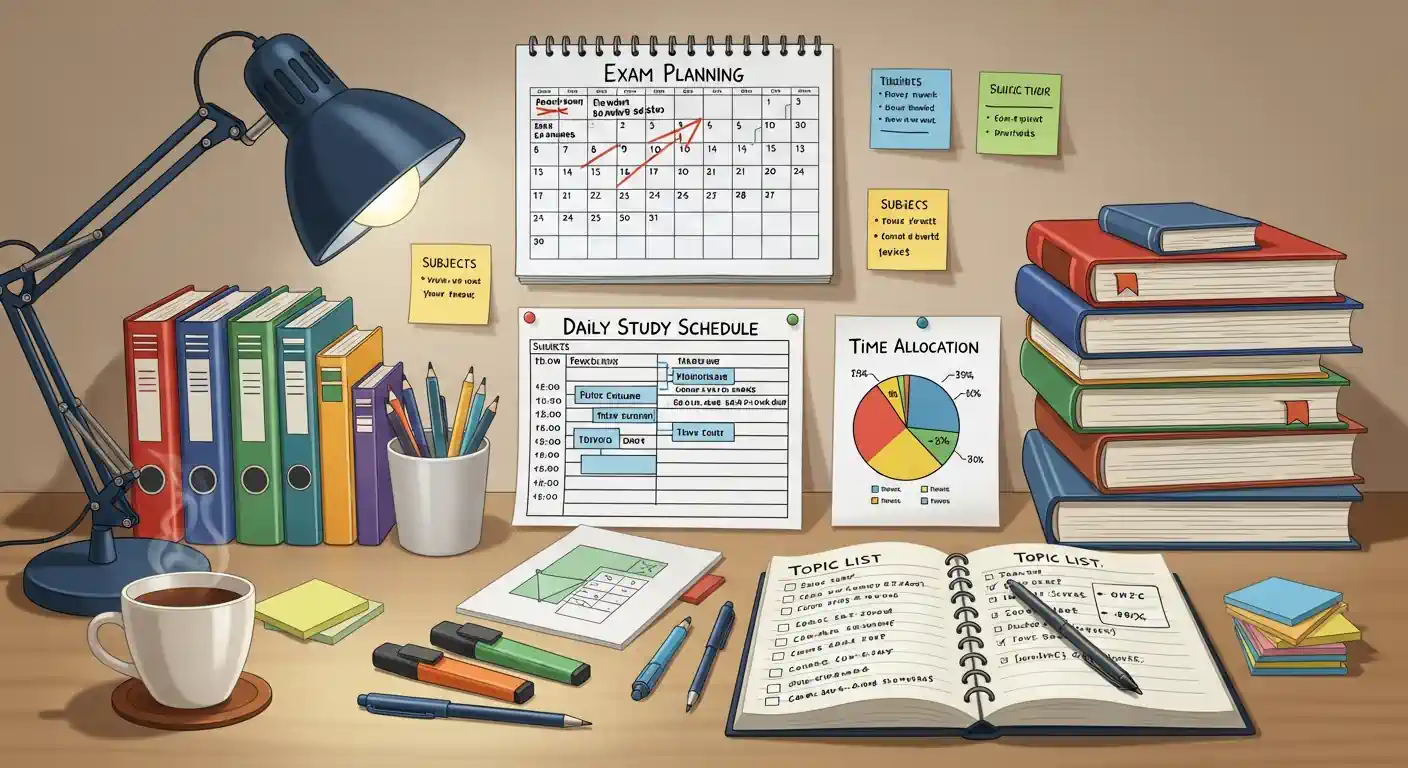
The sheer volume of information can be intimidating. Overcome this by dividing your study material into smaller, more manageable sections. Create a study schedule that allocates specific topics to particular days or weeks. Achieving small, consistent wins by completing these chunks will create a positive feedback loop, boosting your confidence as you progress.
Cultivating a Winning Mindset: The Psychological Edge
Beyond academic preparation, your mental state plays a pivotal role in how you perform. Boosting exam confidence requires nurturing a positive and resilient mindset.
4. Reframe Your Thoughts: From Fear to Opportunity
It's common to experience pre-exam anxiety. Instead of viewing these feelings as a sign of impending failure, reframe them as signals that your body is preparing for a challenge. This cognitive reframing can significantly alter your perception.
- Instead of: "I'm so nervous, I'm going to fail."
- Try: "I'm feeling energized, ready to show what I know."
Consider this approach: A 2025 study in Applied Psychology found that individuals who reframed their anxiety as excitement before a performance task showed improved outcomes and felt more confident.
5. Visualize Success: The Power of Mental Rehearsal
Mental rehearsal or visualization is a potent tool for building confidence. Close your eyes and vividly imagine yourself taking the exam. Picture yourself feeling calm, focused, and successfully answering each question. Visualize walking out of the exam room feeling accomplished and satisfied with your effort. This practice can desensitize you to the stress of the situation and program your mind for success.
6. Embrace Imperfection and Practice Self-Compassion
No one is perfect, and it's okay not to know every single answer immediately. Accept that there might be challenging questions and that making mistakes during practice is part of the learning process. Self-compassion means treating yourself with kindness and understanding, especially when facing difficulties. Avoid harsh self-criticism, which only erodes confidence.
Mastering Test Day: Strategies for Optimal Performance
The day of the exam is when all your preparation culminates. Implementing the right strategies on test day can make a significant difference in your performance and overall confidence.
7. Prioritize Rest and Nutrition
Adequate sleep is non-negotiable. Aim for 7-9 hours of quality sleep in the days leading up to the exam, especially the night before. Your brain needs rest to consolidate learning and function optimally. Similarly, fuel your body with a balanced meal. Avoid heavy, greasy foods that can make you feel sluggish. Opt for complex carbohydrates and lean protein for sustained energy.
8. Arrive Early and Settle In
Rushing to the exam venue can exacerbate anxiety. Plan to arrive at least 15-30 minutes early. This buffer time allows you to find your seat, get acquainted with the environment, and take a few deep breaths without feeling pressured. Use this time for mindful breathing exercises to calm your nervous system.
9. Read Instructions Carefully and Strategically
Before diving into answers, take a moment to read all instructions thoroughly. Understand the exam format, scoring, and any specific guidelines. Next, do a quick scan of the entire exam to gauge the number and types of questions. This allows you to allocate your time effectively.
10. Tackle Questions Strategically: Your "Test Day Action Plan"
- Easy First: Start with questions you know you can answer confidently. This builds momentum and reduces early frustration.
- Mark and Return: If you encounter a difficult question, don't dwell on it. Mark it and move on, returning to it later if time permits. This prevents you from getting stuck and wasting valuable time.
- Educated Guessing: For multiple-choice questions, if you can eliminate even one or two incorrect options, your chances of guessing correctly increase significantly.
11. Manage Your Time Effectively
Keep an eye on the clock throughout the exam. If you have a specific amount of time per question, try to stick to it. If you feel yourself spending too long on one section, make a conscious decision to move on. A time management strategy is crucial for ensuring you attempt all sections of the exam.
12. Stay Present and Focused
During the exam, it's easy for your mind to wander to what you should have studied or what might happen if you don't do well. Gently bring your focus back to the current question. If you feel overwhelmed, take a brief pause, close your eyes, and take a few deep breaths before continuing.
Post-Exam Reflection and Future Confidence
The moment the exam concludes, resist the urge to immediately dissect every answer. Instead, focus on acknowledging your effort. Later, you can engage in constructive reflection.
13. Analyze Performance for Future Growth
After a cooling-off period, review your exam performance. What went well? What could you improve for next time? This isn't about regret but about learning and iterative improvement. Understanding your strengths and weaknesses is key to building long-term confidence.
Differentiated Value: Embracing the Latest in Cognitive Science
While traditional advice on exam preparation is valuable, incorporating newer insights can provide a significant edge.
- Leveraging AI-Powered Study Tools (Emerging Trend): The landscape of learning is rapidly evolving. AI-driven platforms can now offer personalized study plans, identify knowledge gaps with unprecedented accuracy, and even generate practice questions tailored to specific difficulty levels. Integrating these tools into your study regimen, as discussed in a recent review of Educational Technology Innovations (2024), can optimize your learning efficiency and help you target weaknesses more effectively than ever before. This allows for a more data-driven approach to building exam confidence.
- The Role of Neuroplasticity in Learning: Understanding that your brain is not fixed but can change and adapt (neuroplasticity) is empowering. This means that consistent effort, strategic practice, and a positive mindset can literally rewire your brain to learn better and perform more effectively under pressure. Embracing this concept, as highlighted by neuroscientists in the Journal of Cognitive Neuroscience (2023), can shift your belief system from "I'm not good at this" to "I can learn and improve." This fundamental shift is crucial for sustained confidence.
Frequently Asked Questions (FAQ)
Q1: How can I stop feeling so anxious before an exam? Anxiety is normal. Try deep breathing exercises, brief meditation, or light physical activity in the hours before your exam. Visualizing a successful outcome can also help calm your nerves by preparing your mind. Focusing on what you can control, like your preparation, is key.
Q2: Is it better to cram the night before or get a good night's sleep? Getting a good night's sleep is overwhelmingly more beneficial for cognitive function and exam performance. Cramming can lead to temporary memorization but often results in poor retention and increased anxiety. Prioritize rest to consolidate your learning.
Q3: What should I do if I encounter a question I don't know the answer to? Don't panic. Read the question carefully. If it's multiple choice, try to eliminate incorrect answers to make an educated guess. If it's a free-response question, write down anything relevant you remember about the topic. It's better to attempt it than leave it blank.
Q4: How can I build confidence for future exams after a difficult one? Reflect on your preparation and test-day strategies objectively, focusing on what you learned. Identify specific areas for improvement. Celebrate the effort you put in, regardless of the outcome. Seek feedback and adjust your approach for the next exam.
Conclusion: Your Path to Test Day Triumph
Building exam confidence is an ongoing journey, not a destination. It's about cultivating a proactive approach to your studies, nurturing a resilient mindset, and implementing smart strategies on test day. By embracing active learning, practicing mindfulness, and consistently applying these techniques, you can transform your relationship with exams. Remember that each exam is an opportunity to learn and grow, and with effective preparation, you can approach any test with a sense of calm competence.
We encourage you to share your own tips and experiences in the comments below. What strategies have you found most effective for building exam confidence? Your insights could help fellow students navigate their own testing challenges.
For further exploration on optimizing your learning and reducing academic stress, consider diving into articles on effective study techniques and mindfulness for students. These resources can provide additional tools to enhance your preparation and well-being.
Data sources for this article include research published in the Journal of Educational Psychology (2024), Applied Psychology (2025), and the Journal of Cognitive Neuroscience (2023), reflecting current trends and evidence-based practices.
Content Timeliness Recommendation: This content provides timeless strategies for exam preparation. It is recommended to review and update sections related to emerging trends like AI-powered study tools annually to reflect the latest advancements in educational technology.