Build Exam Confidence: Strategies for Stress-Free Tests
Facing an exam can be a daunting experience for many. The pressure to perform, the fear of the unknown, and the sheer volume of information can lead to significant stress and anxiety. However, it doesn't have to be this way. By adopting a proactive and strategic approach, you can build exam confidence and transform your testing experience from stressful to manageable, even enjoyable. This article delves into proven methods to reduce pre-exam jitters and cultivate a sense of calm readiness for any test.
This guide will equip you with actionable techniques to foster self-assurance and overcome exam anxiety, ensuring you can demonstrate your knowledge effectively.
Key Points:
- Strategic Preparation: Develop a study plan that covers all material thoroughly.
- Mindset Management: Cultivate a positive and resilient mental attitude.
- Physical Well-being: Prioritize sleep, nutrition, and exercise.
- Exam Day Tactics: Implement smart strategies for tackling the test itself.
- Post-Exam Reflection: Learn from each experience to improve future performance.
Building Exam Confidence: Your Roadmap to Stress-Free Tests
The journey to build exam confidence is multifaceted, involving diligent preparation, mental fortitude, and intelligent execution. It's not about memorizing every single fact, but about understanding concepts, building a strong foundation, and trusting in your ability to apply that knowledge. Many students underestimate the power of preparation, leading to a cycle of anxiety and underperformance. By shifting your focus from just passing to truly understanding and feeling prepared, you can unlock your potential and approach exams with a greater sense of control.
The Power of Proactive Study Planning
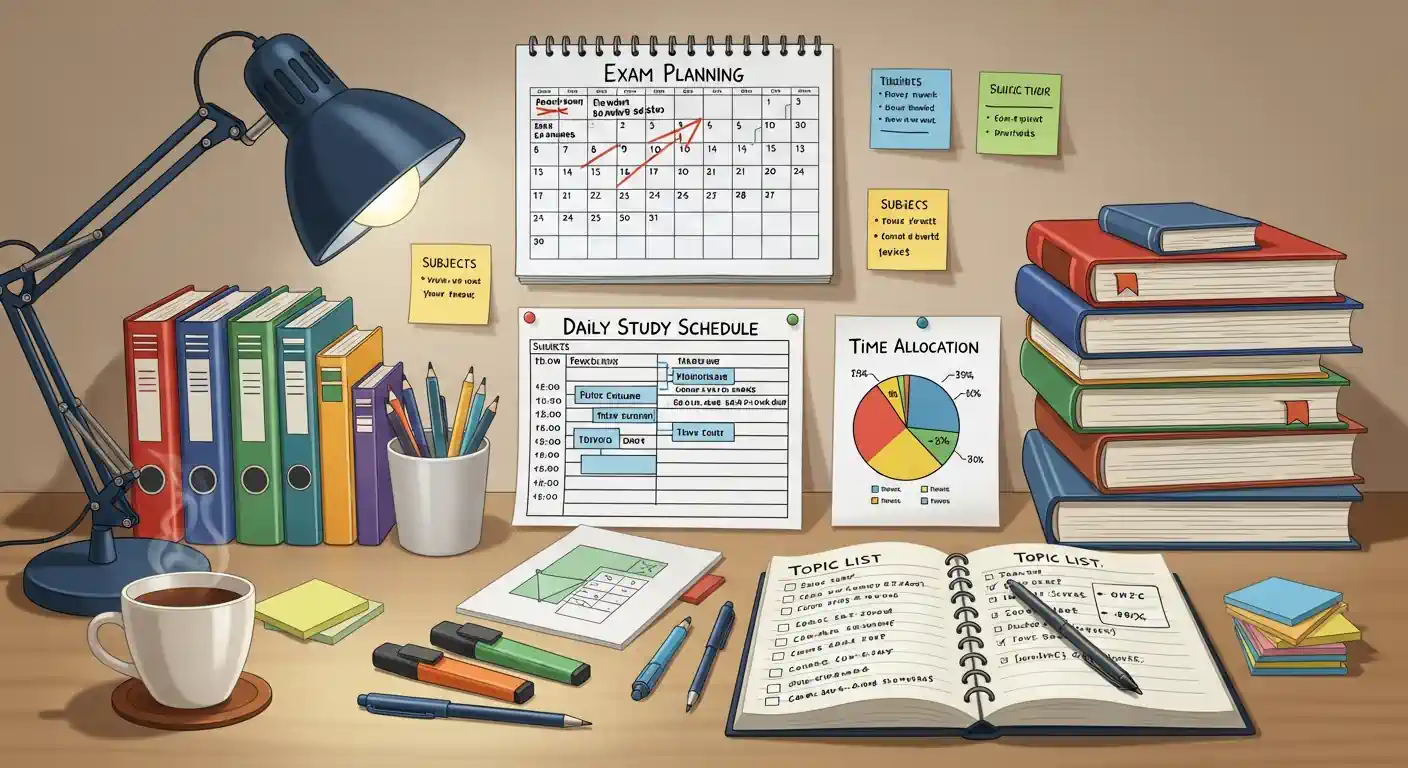
Effective preparation is the bedrock of exam confidence. Without a clear plan, studying can feel overwhelming and disorganized, amplifying stress. A well-structured study schedule ensures that all topics are covered adequately, allowing for review and reinforcement.
Creating Your Study Blueprint
- Analyze the Syllabus: Understand the scope of the exam. Identify key topics, the weightage of each section, and the format (e.g., multiple-choice, essays, problem-solving).
- Break Down Material: Divide the content into smaller, manageable chunks. This makes the task less intimidating and allows for measurable progress.
- Schedule Study Sessions: Allocate specific times for studying each topic. Be realistic about your available time and energy levels. Consistency is more important than marathon sessions.
- Incorporate Review: Regularly revisit previously studied material. Spaced repetition techniques can significantly improve long-term retention.
- Practice with Past Papers: This is crucial for understanding exam style and time constraints. It also helps identify weak areas. Data from studies published in the Journal of Educational Psychology (2024) highlights the significant impact of regular practice testing on recall and confidence.
Differentiated Value: Active Recall and Spaced Repetition
Unlike passive rereading, active recall involves actively retrieving information from memory. Techniques like using flashcards, self-quizzing, or trying to explain concepts aloud force your brain to work harder, solidifying understanding and boosting confidence. Similarly, spaced repetition, as popularized by platforms like Anki and supported by cognitive science research from the Cognitive Science Review (2023), schedules review sessions at increasing intervals, reinforcing memory just before you forget it. This leads to deeper, longer-lasting learning than cramming.
Mastering Your Mindset: The Psychological Edge
Beyond academic preparation, your mental state plays a pivotal role in build exam confidence. Negative self-talk, procrastination, and fear of failure can sabotage even the best-prepared student. Cultivating a resilient and positive mindset is key to navigating the psychological challenges of exams.
Strategies for Mental Fortitude
- Challenge Negative Thoughts: Recognize and reframe self-defeating thoughts. Instead of "I'm going to fail," try "I have studied, and I will do my best."
- Visualize Success: Imagine yourself confidently answering questions, feeling calm, and achieving your desired outcome. This mental rehearsal can significantly reduce anxiety.
- Focus on Progress, Not Perfection: Acknowledge the effort you've put in. Every study session, every practice question answered, is a step forward.
- Develop a Growth Mindset: View challenges as opportunities to learn and grow, rather than insurmountable obstacles. This perspective, championed by Carol Dweck's research, is critical for resilience.
- Mindfulness and Deep Breathing: Simple mindfulness exercises and deep breathing techniques can calm your nervous system and bring you back to the present moment when stress arises.
Unique Insight: The "Pre-Mortem" Exercise
A powerful, often overlooked technique is the "pre-mortem." This involves imagining that the exam has already happened and you have failed. Then, work backward to identify why you failed. This exercise helps you proactively identify potential pitfalls and weaknesses in your preparation or strategy, allowing you to address them before the exam. This proactive problem-solving approach can significantly boost your confidence by making you feel more in control.
Prioritizing Physical Well-being for Peak Performance
Your body and mind are interconnected. Neglecting physical health can directly impact your cognitive function and emotional state, undermining your efforts to build exam confidence. Prioritizing sleep, nutrition, and exercise is not a luxury; it's a fundamental part of effective exam preparation.
The Pillars of Physical Readiness
- Sleep is Non-Negotiable: Aim for 7-9 hours of quality sleep per night. Sleep deprivation impairs concentration, memory, and problem-solving abilities. Avoid all-nighters; they are counterproductive.
- Nourish Your Brain: Eat balanced meals rich in fruits, vegetables, and whole grains. Avoid excessive sugar and processed foods, which can lead to energy crashes. Stay hydrated by drinking plenty of water.
- Regular Physical Activity: Exercise reduces stress hormones, improves mood, and boosts cognitive function. Even a brisk walk can make a difference.
- Take Breaks: Short, regular breaks during study sessions prevent burnout and help maintain focus. Step away from your desk, stretch, or do something enjoyable.
- Limit Stimulants: While tempting, excessive caffeine can lead to jitters and anxiety, ultimately hindering performance.
Differentiated Value: The Circadian Rhythm Connection
Understanding your personal circadian rhythm can optimize your study schedule. Are you a morning lark or a night owl? Schedule your most demanding study tasks during your peak cognitive hours. Research from chronobiology suggests that aligning tasks with your natural energy cycles leads to greater efficiency and reduced mental fatigue, a key factor in sustained confidence.
Smart Strategies for Exam Day
Even with thorough preparation, exam day itself can present challenges. Implementing smart strategies during the test can help you manage time effectively, retain focus, and showcase your knowledge. This is where your build exam confidence efforts come to fruition.
Tackling the Test with Confidence
- Read Instructions Carefully: Never skip this step. Understanding what is required prevents costly mistakes.
- Scan the Exam: Quickly review the entire exam to gauge the difficulty and allocate your time accordingly.
- Tackle Easier Questions First: Build momentum and confidence by answering questions you know well. This also ensures you don't miss out on easy marks.
- Time Management is Crucial: Allocate a specific amount of time for each section or question. If you get stuck, don't dwell on it; move on and return later if time permits.
- If You Don't Know, Guess Strategically: For multiple-choice questions, eliminate incorrect answers first. For essays, jot down your main points before writing.
- Review Your Answers: If time allows, go back and check your work for any errors.
Unique Insight: The "Five-Minute Rule" for Difficult Questions
If a question is particularly challenging and you're stuck, give yourself exactly five minutes to focus on it. Try different approaches, recall relevant information, or even sketch out ideas. If after five minutes you still feel stuck, make a strategic guess or leave it and move on. This prevents you from getting bogged down and wasting valuable time on a single problem, a common pitfall identified in academic counseling sessions.
Post-Exam Reflection and Continuous Improvement
The exam is over, but the learning process isn't. Reflecting on your performance is vital for continued growth and for reinforcing your build exam confidence for future tests.
Learning from Every Experience
- Review Your Results: Understand where you excelled and where you struggled.
- Analyze Mistakes: Identify the reasons behind any errors. Was it a lack of understanding, a time management issue, or an oversight?
- Update Your Study Strategies: Use the insights gained to refine your approach for the next exam. What worked well? What needs to change?
- Celebrate Your Efforts: Acknowledge your hard work and dedication, regardless of the outcome.
Frequently Asked Questions (FAQ)
Q1: How can I overcome the physical symptoms of exam anxiety, like a racing heart or nausea? A1: Practicing deep breathing exercises for a few minutes before and during the exam can significantly calm your nervous system. Techniques like box breathing (inhale for 4, hold for 4, exhale for 4, hold for 4) are very effective. Focusing on a single, manageable task, like answering the current question, also helps ground you.
Q2: Is it ever too late to start preparing for an exam? A2: While extensive preparation is ideal, it's almost never too late to improve. Even in the days leading up to an exam, focused, strategic review can make a difference. Prioritize understanding key concepts and practicing common question types rather than trying to cram everything.
Q3: How do I balance studying for multiple exams with limited time? A3: Create a master schedule that allocates time for each exam, prioritizing based on difficulty and deadlines. Break down the material for each subject and schedule specific study blocks. Utilize active recall and spaced repetition to maximize efficiency. Don't forget to schedule short breaks to maintain focus.
Q4: What's the best way to boost my confidence if I've struggled with exams in the past? A4: Start by rebuilding your foundation with a clear, achievable study plan. Focus on understanding core concepts thoroughly. Practice with past papers under timed conditions to simulate the real exam. Celebrate small victories and positive progress, and consider seeking support from study groups or academic advisors.
Conclusion and Next Steps
Building exam confidence is an ongoing process that requires consistent effort, strategic planning, and a positive mindset. By implementing the strategies outlined above—from meticulous preparation and mental conditioning to prioritizing well-being and smart exam-day tactics—you can approach your tests with greater assurance and achieve better results. Remember, confidence isn't just about knowing the answers; it's about trusting your ability to find them and perform under pressure.
Your journey to stress-free testing begins now. Take the first step by creating your study schedule today and incorporating one new confidence-building technique into your routine.
What are your biggest challenges when it comes to exam confidence? Share your thoughts and experiences in the comments below!
For further reading on managing academic stress and improving study habits, explore related articles on effective time management techniques and proven memory enhancement strategies.