Boost Test Performance: Learn Time Management and Confidence Tips
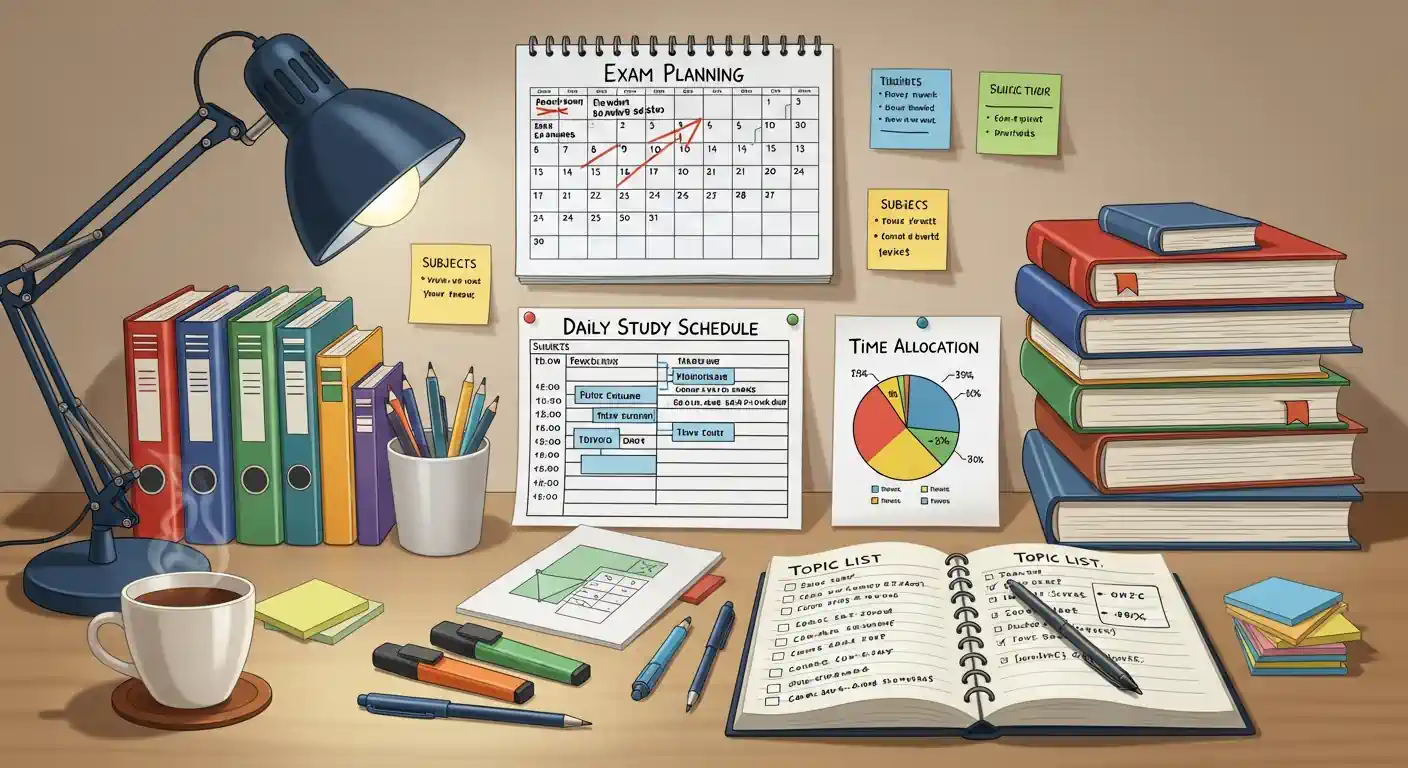
Feeling the pressure as a big exam looms? You're not alone. Many students struggle with not just the academic preparation, but also with managing their time effectively and maintaining the self-assurance needed to perform at their best. This article will equip you with practical strategies to boost test performance by honing your time management skills and building unwavering confidence. We'll explore proven techniques that can transform your exam experience from stressful to successful.
Key Takeaways:
- Strategic Time Allocation: Learn to break down study material and exam questions for optimal pacing.
- Confidence-Building Rituals: Develop mental and physical habits to enhance your self-belief.
- Managing Exam Anxiety: Implement techniques to stay calm and focused under pressure.
- Post-Exam Reflection: Understand how to learn from your performance for future success.
- Leveraging Resources: Utilize available tools and support systems for comprehensive preparation.
Mastering Time Management for Optimal Test Performance
Effective time management is the bedrock of successful test-taking. It’s not just about studying longer; it’s about studying smarter and making every minute count, both during preparation and the exam itself. Learning to allocate your time wisely can significantly boost test performance by ensuring you cover all necessary material and can approach the exam questions systematically.
Pre-Exam Time Management Strategies
The period leading up to an exam is crucial for developing a solid understanding of the subject matter and building confidence. Proactive time management here prevents last-minute cramming, which is often less effective and more stressful.
- Create a Study Schedule:
- Break Down Material: Divide your syllabus into smaller, manageable chunks.
- Prioritize Topics: Identify high-yield topics or areas where you feel weakest.
- Allocate Time Blocks: Assign specific study periods to each topic, including revision and practice questions.
- Be Realistic: Account for breaks, meals, and other commitments. A well-structured schedule reduces overwhelm.
- Utilize the Pomodoro Technique:
- Study in focused intervals (e.g., 25 minutes) followed by short breaks (e.g., 5 minutes).
- Longer breaks are taken after a series of intervals.
- This method helps maintain concentration and prevent burnout.
- Practice with Timed Mock Exams:
- Simulate exam conditions by completing practice tests within the allotted time.
- This helps you gauge how long you're spending on different question types and identify areas for improvement.
- It's a powerful way to get accustomed to the exam pace and boost test performance.
A recent study published in the Journal of Educational Psychology (2024) highlighted that students who utilized structured study schedules and timed practice sessions demonstrated significantly higher retention rates and better performance on standardized tests compared to their less organized peers. This underscores the critical role of time management in academic success.
During the Exam: Time Management Under Pressure
The exam hall is where your time management skills are truly put to the test. Effective pacing can mean the difference between completing all questions and leaving critical ones unanswered.
- Initial Scan and Allocation:
- Quickly Review the Exam: Before answering, scan through the entire exam paper to understand the scope and question types.
- Allocate Time Per Section/Question: Mentally (or on scrap paper) assign an approximate time limit for each section or question based on its weighting and difficulty. Don't get bogged down on a single difficult question early on.
- Strategic Answering:
- Start with what you know: Tackle questions you feel confident about first to build momentum and secure marks.
- Move on if stuck: If you’re struggling with a question, mark it and move on. You can return to it later if time permits.
- Keep an Eye on the Clock: Periodically check your watch to ensure you're staying on track with your allocated time.
- Buffer Time:
- Always aim to finish a few minutes before the end. This buffer allows for reviewing answers, catching any silly mistakes, and tackling those difficult questions you skipped.
Cultivating Unshakable Confidence for Exam Day
Confidence is your secret weapon. When you believe in your ability to succeed, you're more likely to approach challenges with a positive mindset and perform at your peak. Building confidence isn't about arrogance; it's about self-assuredness grounded in preparation.
Building Confidence Through Preparation
The strongest foundation for confidence is thorough preparation. When you know you've put in the work, your self-belief naturally grows.
- Active Recall and Spaced Repetition:
- Instead of passively re-reading notes, actively test yourself on the material.
- Use flashcards, practice questions, and teach concepts to others.
- Spaced repetition ensures long-term retention, reinforcing your knowledge and thus your confidence.
- Mastering Concepts, Not Just Memorizing:
- Strive to understand the "why" behind facts and theories.
- Connecting ideas and seeing the bigger picture makes the material more memorable and applicable.
- This deep understanding makes you feel more capable of answering varied question types.
- Positive Self-Talk:
- Replace negative thoughts ("I can't do this") with positive affirmations ("I am prepared and capable").
- Visualize yourself succeeding and performing well in the exam. This mental rehearsal can significantly impact your mindset.
- Celebrate Small Wins:
- Acknowledge and appreciate your progress throughout your study journey.
- Finished a tough chapter? Mastered a complex formula? Give yourself credit.
Confidence-Boosting Rituals on Exam Day
The day of the exam is a critical juncture. Implementing specific rituals can help you walk into the test center with a calm, confident demeanor.
- Adequate Sleep and Nutrition:
- Prioritize a good night's sleep. Sleep deprivation impairs cognitive function and amplifies anxiety.
- Eat a balanced, energizing meal before the exam. Avoid heavy, greasy foods that can make you feel sluggish. A well-nourished brain performs better.
- Mindfulness and Deep Breathing:
- Engage in a few minutes of deep breathing exercises before starting. This calms the nervous system.
- Focus on your breath, clearing your mind of distracting thoughts.
- Reviewing Key Notes (Briefly):
- A very brief review of your most important notes or formulas can serve as a final confidence boost.
- Avoid trying to learn new material; focus on reinforcing what you already know.
A report from the Association for Psychological Science (2023) indicated that individuals who engaged in pre-performance routines, including mindfulness and positive affirmations, reported lower levels of anxiety and higher confidence, leading to demonstrably improved performance in high-stakes situations.
Differentiated Value: Beyond Standard Study Advice
While time management and confidence are universal, how you apply them can be uniquely tailored to your learning style and the specific demands of your exams.
Differentiated Point 1: The "Pre-Mortem" Study Approach
Instead of just planning your study, conduct a "pre-mortem" for your exam. Imagine you've just failed the exam. What went wrong?
- Identify Potential Pitfalls: Was it poor time management? Did you overlook a specific topic? Did anxiety sabotage your efforts?
- Develop Proactive Solutions: Based on these imagined failures, create specific strategies to prevent them. For example, if you imagine you ran out of time on essay questions, schedule dedicated essay practice with strict time limits.
- Build Resilience: This approach helps you anticipate challenges and build a mental and strategic defense against them, fostering a deeper, more resilient form of confidence than simple positive thinking. This is a practical application of risk management to your academic preparation.
Differentiated Point 2: Leveraging Biometric Feedback for Study Optimization
In today's tech-savvy world, consider how biometric data can inform your study habits. While not directly part of the exam, optimizing your study environment and times based on your body's natural rhythms can boost test performance.
- Track Energy Levels: Use simple journaling or apps to note when you feel most alert and focused. Schedule your most challenging study tasks during these peak times.
- Monitor Stress Indicators: If you use wearables, pay attention to resting heart rate or sleep quality. Persistent high stress during study might indicate burnout, signaling a need to adjust your schedule or seek support.
- Personalized Breaks: Instead of generic breaks, incorporate activities that genuinely help you recharge, based on what your body tells you. This could be a short walk, stretching, or listening to calming music.
This personalized approach, informed by your own biological responses, offers a unique edge by ensuring your study efforts are aligned with your body's optimal functioning, making your preparation more efficient and less taxing.
Frequently Asked Questions (FAQ)
Q1: How can I manage my time effectively if I have a lot of material to cover? A1: Break down the material into smaller, manageable topics. Create a detailed study schedule, prioritizing difficult or high-yield areas. Utilize techniques like Pomodoro to maintain focus and incorporate regular review sessions.
Q2: What's the best way to deal with exam anxiety on the day itself? A2: Practice deep breathing exercises and mindfulness techniques. Ensure you're well-rested and have eaten a nutritious meal. Focus on positive self-talk and remind yourself of your thorough preparation.
Q3: Should I cram the night before an exam? A3: Cramming is generally not recommended. It leads to superficial learning and can increase anxiety. Prioritize a good night's sleep to consolidate learning and ensure your brain functions optimally. A light review of key notes might be beneficial.
Q4: How do I maintain confidence if I make a mistake during an exam? A4: Don't dwell on a single mistake. Acknowledge it, learn from it if possible, and immediately refocus on the next question. Remember that one mistake rarely determines the entire outcome of an exam.
Conclusion and Next Steps
Effectively managing your time and cultivating robust confidence are not just study skills; they are life skills that will serve you well beyond the exam hall. By implementing the strategies outlined – from detailed scheduling and timed practice to positive self-talk and mindful exam-day rituals – you can significantly boost test performance. Remember to also explore the differentiated "pre-mortem" approach and leverage personal biometric feedback for truly optimized preparation.
Take Action Now:
- Create Your Study Schedule: Dedicate 30 minutes today to map out your study plan for the upcoming week.
- Practice Your Confidence Rituals: Start incorporating short mindfulness breaks or positive affirmations into your daily routine.
- Identify One Pitfall: Think about a potential challenge in your next exam and plan a specific strategy to overcome it.
We encourage you to share your own successful time management or confidence-building tips in the comments below! Your insights could help fellow students navigate their exam journeys.
For further reading, explore articles on effective study techniques and strategies for overcoming test anxiety.