Adapting Study Strategies for Exam Formats: From Multiple Choice to Essays
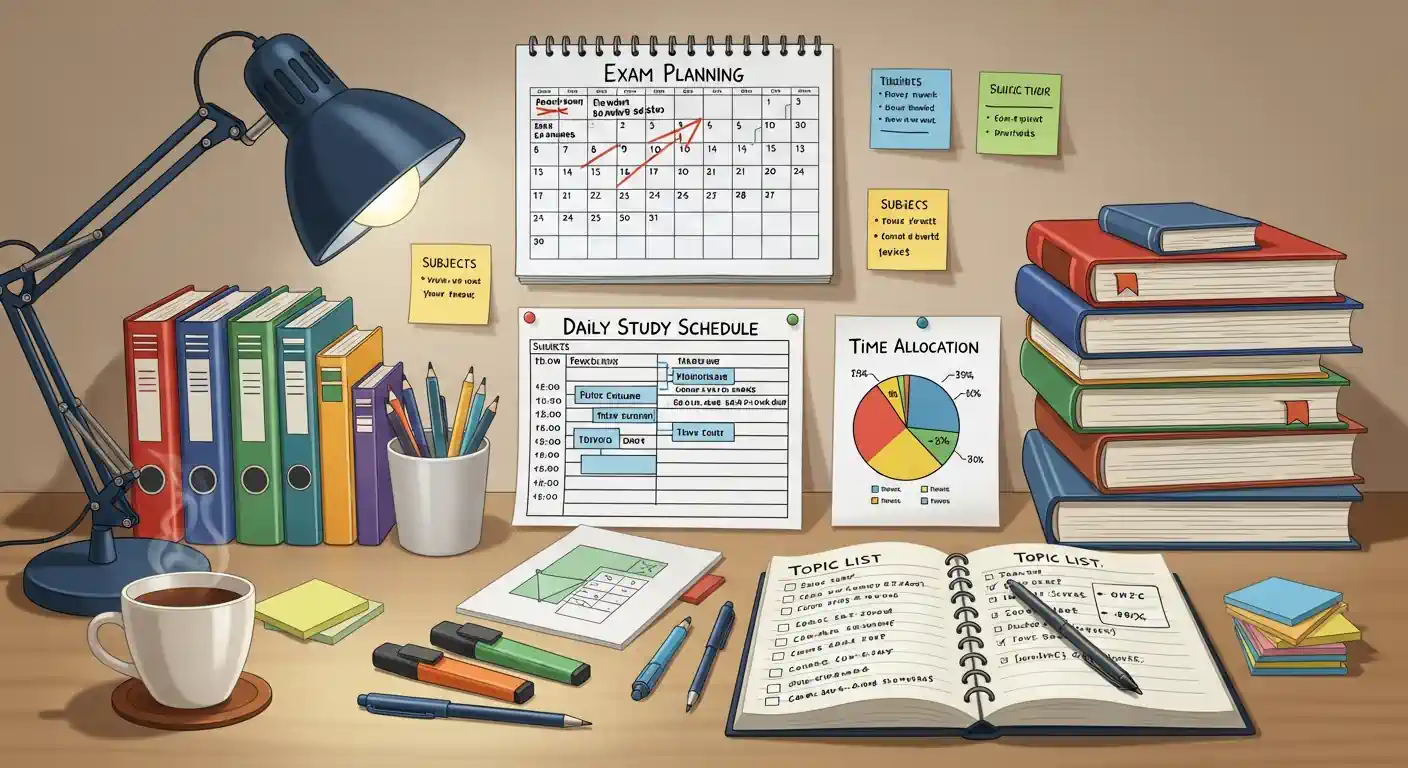
Adapting Study Strategies for Exam Formats: From Multiple Choice to Essays
Preparing for exams is a universal academic experience, but effective studying isn't a one-size-fits-all approach. The key to truly excelling lies in adapting study strategies for exam formats. Whether you're facing a barrage of multiple-choice questions, the critical challenge of an essay, or the precision required for problem-solving, each format demands a unique preparation mindset and set of tools. Understanding these differences and tailoring your approach can significantly enhance your performance and reduce pre-exam anxiety. This guide will walk you through specific, evidence-based techniques to help you conquer any exam format thrown your way.
Key Points for Adapting Study Strategies:
- Format-Specific Preparation: Tailor revision techniques to the demands of multiple-choice, essay, or problem-solving exams.
- Active Recall & Spaced Repetition: Utilize these powerful cognitive tools, adjusting their application per exam type.
- Critical Thinking & Analysis: Develop strong analytical skills for essays, moving beyond simple memorization.
- Practice & Feedback: Regularly practice with mock questions and seek feedback to identify knowledge gaps and refine techniques.
- Time Management: Allocate study time efficiently, focusing on areas with higher weight or personal weakness.
The Imperative of Adapting Study Strategies for Exam Success
Many students fall into the trap of using a single study method for all subjects and exam types. However, this oversight can significantly hinder performance. Adapting study strategies for exam formats isn't merely a suggestion; it's a strategic necessity. A multiple-choice test primarily assesses recognition and recall of specific facts, while an essay exam demands deep understanding, critical analysis, synthesis of information, and effective communication. Ignoring these distinctions means you might be preparing for the wrong battle.
For instance, simply rereading notes might suffice for some factual recall in a multiple-choice setting, but it's woefully inadequate for crafting a compelling argument in an essay. Effective exam preparation requires a diagnostic approach. First, understand the exam format, then diagnose the skills it tests, and finally, prescribe the most suitable study methods. This proactive stance ensures your effort is directed where it will yield the most significant results.
Mastering Multiple-Choice Exams: Precision and Recognition
Multiple-choice questions (MCQs) are ubiquitous in standardized tests and many university courses. They test your ability to recall facts, understand concepts, and sometimes apply principles, often under time pressure. The trick to excelling here isn't just knowing the answer, but recognizing it among plausible distractors.
Effective Techniques for Multiple-Choice Preparation:
- Active Recall through Flashcards: Create physical or digital flashcards with key terms, definitions, formulas, or concepts. Regularly test yourself by trying to recall the answer before flipping the card. This strengthens memory retrieval paths, crucial for quick recognition during the exam.
- Spaced Repetition Systems: Incorporate spaced repetition (e.g., using apps like Anki) into your study routine. This method schedules reviews at increasing intervals, ensuring you revisit material just as you're about to forget it. A 2024 study on cognitive learning strategies published by the Journal of Educational Psychology highlighted spaced repetition as significantly boosting retention for factual recall, directly benefiting MCQ performance.
- Practice Question Banks: Solve as many practice multiple-choice questions as possible. This familiarizes you with common question styles, identifies tricky distractors, and helps you understand how concepts are tested. Analyze incorrect answers to learn from mistakes, not just the right ones.
- Deconstruct the Question: Before looking at the options, try to answer the question in your head. Then, carefully read all options, eliminating those you know are incorrect. Pay close attention to keywords like "always," "never," "except," or "most likely" as they often change the meaning.
Excelling in Essay and Short Answer Exams: Depth and Articulation
Essay and short answer exams require a deeper level of understanding, critical thinking, and the ability to articulate complex ideas coherently. They assess not just what you know, but how you can organize, analyze, and present that knowledge. This is where truly adapting study strategies for exam formats comes into play, shifting focus from recognition to construction.
Strategies for Conquering Essay Exams:
- Concept Mapping and Outlining: Don't just memorize facts; understand the connections between them. Create concept maps to visualize relationships between theories, events, and arguments. For practice, outline potential essay answers for probable questions, focusing on thesis, supporting points, and evidence.
- Argumentation and Evidence Integration: Practice developing strong thesis statements and supporting them with relevant evidence. Think critically about counterarguments and how to address them. According to educational best practices outlined by the National Board of Academic Assessment in 2023, the ability to synthesize disparate information into a cohesive, evidence-based argument is a hallmark of high-scoring essays.
- Practice Writing Under Timed Conditions: The best way to improve essay writing is to write essays. Simulate exam conditions by writing full essays or detailed outlines within the allotted time. Pay attention to structure, clarity, grammar, and vocabulary. You might even consider leveraging AI tools for essay outlining and brainstorming, using them to generate potential argument structures or identify gaps in your own logic, then refining with your own critical thinking.
- Peer Review and Feedback: Exchange practice essays with peers or seek feedback from instructors. Constructive criticism can highlight areas where your arguments are weak, unclear, or lack sufficient evidence. This iterative process is vital for refining your analytical and writing skills.
Tips for Short Answer Questions:
- Identify Key Terms and Definitions: For short answers, focus on concisely defining terms, explaining processes, or listing characteristics. Practice boiling down complex topics into their essential components.
- Concise Explanations: Answer directly and provide just enough detail. Avoid rambling. Use bullet points or numbered lists if appropriate and allowed, making your answer clear and easy to read.
Navigating Problem-Solving and Practical Exams
While not as common as MCQs or essays, problem-solving and practical exams (often in STEM fields) demand a different kind of preparation. These tests assess your ability to apply theoretical knowledge to real-world scenarios or execute specific procedures.
Approaches for Problem-Solving Success:
- Step-by-Step Problem Practice: Work through numerous example problems. Understand the underlying principles and the step-by-step methodology for solving them. Don't just look at solutions; actively try to solve them yourself.
- Understand 'Why,' Not Just 'How': Grasp the theoretical basis behind each solution. If you understand the "why," you can adapt to variations in problems.
- Practice with Constraints: Simulate exam conditions by practicing problems under timed constraints and without access to notes or external resources.
Overarching Principles for Adaptive Studying
Regardless of the exam format, certain foundational study principles remain universally effective and are crucial for truly adapting study strategies for exam formats.
- Integrate Active Recall and Spaced Repetition: These are not just for MCQs. For essays, recall main arguments and supporting evidence. For problem-solving, recall formulas and problem-solving steps. Regular retrieval practice is the single most effective study technique. To learn more about optimizing your memory, consider exploring articles on active learning strategies, such as this one: /articles/mastering-active-recall-techniques-for-efficient-studying.
- Seek Understanding, Not Just Memorization: Deep learning, which involves understanding concepts and their interrelationships, makes information more accessible and adaptable across different question types. Memorization without understanding is brittle.
- Strategic Time Management: Allocate your study time based on the format and weighting of the exam. If an essay counts for 50% of your grade, dedicate a proportional amount of study time to essay preparation. This is a crucial aspect of successful exam preparation; for broader advice, refer to our category on /categories/final-review-and-exam-day-tips for more tips, or specifically, this article: /articles/time-management-strategies-for-exam-preparation.
- Metacognition and Self-Assessment: Regularly reflect on your study methods. Ask yourself: "Is this approach effective for this specific exam format?" Identify weaknesses and adjust your strategies accordingly. This self-awareness is a powerful tool for continuous improvement.
Frequently Asked Questions (FAQ)
Q1: How do I know which study strategy is best for my specific exam?
A1: Start by thoroughly understanding the exam's format, scope, and weighting. Review past papers or ask your instructor for clarification. For multiple-choice, focus on active recall and practice questions. For essays, prioritize understanding concepts deeply, outlining, and timed writing. The best strategy is always the one that directly addresses the assessment criteria of your particular exam.
Q2: Can I use AI tools to help with my exam preparation?
A2: Yes, AI tools can be valuable study aids, especially for adapting study strategies for exam formats. For example, AI can help generate practice multiple-choice questions, summarize complex texts, or even assist in outlining essay structures. However, always use them as assistants to your learning, not replacements. Critical thinking and deep engagement with the material remain paramount.
Q3: What's the most common mistake students make when studying for different exam types?
A3: The most common mistake is applying a generic study method to all exams without considering their distinct requirements. Treating an essay exam like a multiple-choice test by only memorizing facts, or vice-versa, leads to suboptimal performance. Always tailor your approach to the specific format to ensure your efforts are efficient and effective.
Q4: How important is stress management in adapting study strategies?
A4: Stress management is critically important. High stress can impair memory retrieval and critical thinking, hindering performance regardless of your preparation. Incorporating breaks, practicing mindfulness, and ensuring adequate sleep are vital components of any effective study plan. A calm mind is better equipped to adapt and perform under pressure.
Conclusion: Your Tailored Path to Exam Success
The ability to successfully pass exams, whether multiple-choice or essay-based, hinges significantly on adapting study strategies for exam formats. By understanding the specific demands of each test type and employing targeted techniques, you can move beyond rote memorization to a deeper, more effective form of learning. Embrace active recall, practice critical thinking, simulate exam conditions, and consistently reflect on your methods. This proactive and adaptive approach will not only boost your grades but also cultivate stronger long-term learning habits.
We encourage you to share your favorite adaptive study techniques in the comments below! What strategies have worked best for you in different exam formats? For more comprehensive resources on preparing for your next big test, explore our other articles and guides.