Achieve Top Scores: Comprehensive Exam Preparation Guide
Achieve Top Scores: Comprehensive Exam Preparation Guide
Preparing for exams can feel like a daunting task, but with the right strategies, you can transform stress into success. This comprehensive exam preparation guide is designed to equip you with proven techniques and actionable advice to not only understand your material better but also to perform optimally under pressure. Our goal is to help you achieve top scores by building a solid foundation of knowledge and confidence. Whether you're facing high school finals, university midterms, or professional certifications, mastering these preparation methods will significantly enhance your academic journey and future endeavors.
Key Points for Exam Success:
- Strategic Planning: Develop a realistic study schedule and stick to it.
- Active Learning: Engage with material through active recall and practice.
- Well-being Focus: Prioritize sleep, nutrition, and stress management.
- Exam Day Readiness: Master test-taking strategies and manage anxiety.
- Continuous Improvement: Learn from each exam experience to refine your approach.
Mastering Your Exam Preparation Strategy
Effective exam preparation begins long before you open a textbook. It involves a strategic approach to planning, understanding, and retaining information. This section will guide you through building a robust study framework that sets you up for success. To truly achieve top scores, it's crucial to move beyond passive reading and embrace active, results-driven methods.
Crafting an Effective Study Schedule
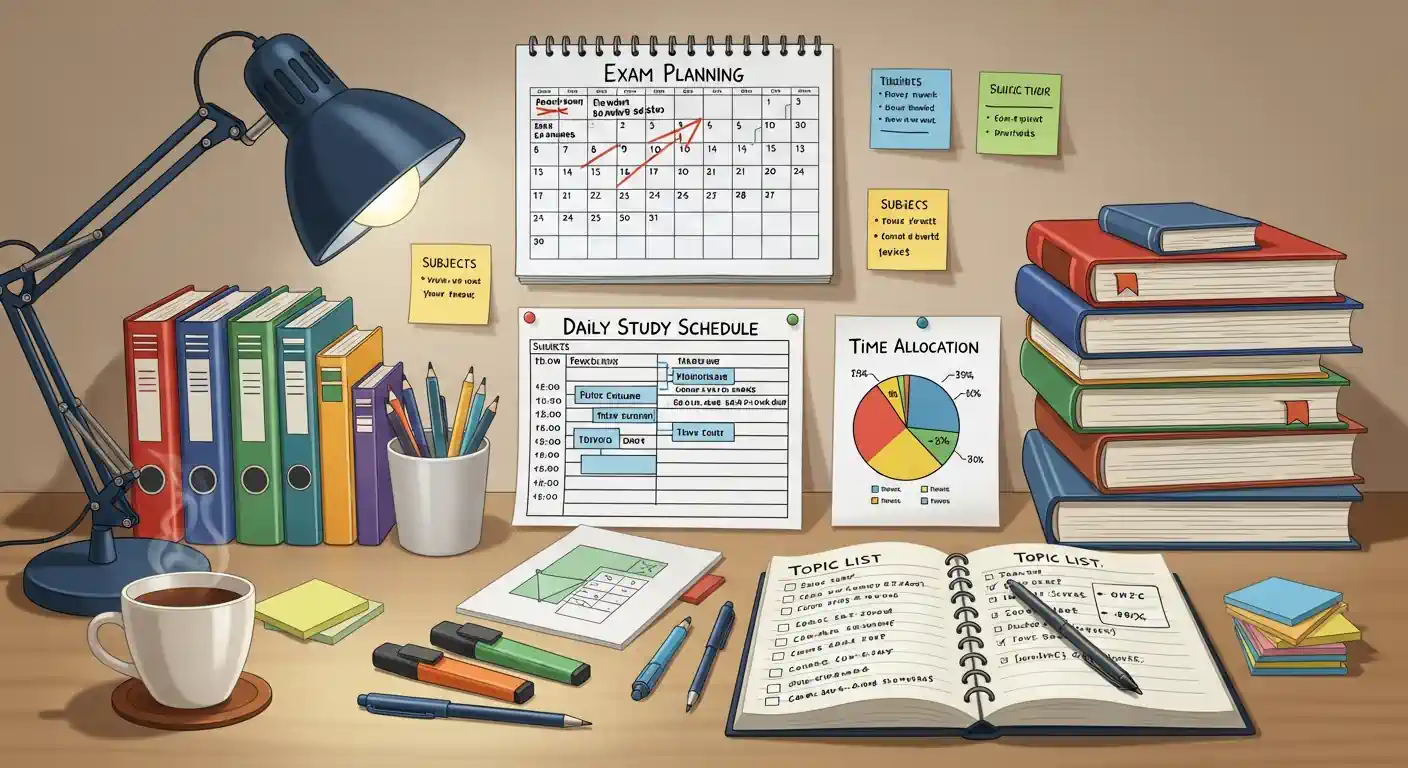
A well-structured study schedule is the backbone of any comprehensive exam preparation guide. It helps manage your time efficiently and ensures all subjects receive adequate attention. Start by mapping out all your exam dates and working backward.
- Assess Your Workload: List all subjects and topics you need to cover. Estimate the time required for each.
- Break Down Material: Divide large topics into smaller, manageable chunks. This makes the task less overwhelming.
- Allocate Time Realistically: Be honest about how much time you can dedicate each day. Include short breaks to prevent burnout.
- Prioritize Difficult Subjects: Dedicate more time to areas you find challenging or those with higher weight in the exam.
- Schedule Regular Reviews: Integrate daily or weekly review sessions to reinforce learning and prevent forgetting.
Implementing Active Learning Techniques for Better Retention
Passive studying, like simply re-reading notes, is often ineffective. To achieve top scores, you need to actively engage with the material. Active learning significantly boosts memory retention and comprehension.
- Active Recall: Instead of just reviewing, test yourself on what you've learned. Use flashcards, self-quizzing, or try to explain concepts aloud without looking at your notes. This method, supported by research from the Journal of Educational Psychology in 2023, shows superior long-term retention.
- Spaced Repetition: Review material at increasing intervals over time. Tools like Anki or Quizlet can automate this process, ensuring you revisit topics just as you're about to forget them. This is a powerful technique for long-term memory consolidation.
- Practice Questions and Past Papers: This is perhaps the most critical component of any comprehensive exam preparation guide. Working through past exam papers helps you understand the format, question types, and time constraints. It also highlights areas where your understanding is weak.
- Teaching Others: Explaining a concept to someone else (or even to yourself in the mirror) forces you to organize your thoughts and identify gaps in your knowledge. If you can teach it, you truly understand it.
Enhancing Your Study Environment and Resources
Your physical and digital environment plays a significant role in your ability to focus and absorb information. Optimizing these aspects can dramatically improve your study efficiency and contribute to achieving top scores.
Optimizing Your Study Space for Focus
A dedicated and organized study space can minimize distractions and promote concentration.
- Minimize Clutter: A tidy desk leads to a tidy mind. Remove anything unrelated to your studies.
- Ensure Good Lighting: Adequate lighting reduces eye strain and keeps you alert.
- Control Noise Levels: Some prefer complete silence, while others thrive with ambient background noise. Find what works best for you and use noise-canceling headphones if needed.
- Comfortable Seating: Invest in an ergonomic chair to maintain good posture and prevent discomfort during long study sessions.
Leveraging Digital Tools and Resources
The digital age offers a plethora of tools to aid your comprehensive exam preparation.
- Note-Taking Apps: Tools like Notion, OneNote, or Evernote can help organize your notes, create digital flashcards, and sync across devices.
- Productivity Timers: Apps like the Pomodoro Timer help structure your study sessions into focused work intervals followed by short breaks, enhancing concentration and preventing burnout.
- Online Learning Platforms: Websites like Coursera, Khan Academy, or edX offer supplementary materials, video lectures, and practice exercises that can clarify difficult concepts. For more advanced topics, specific academic databases can provide in-depth research articles.
- AI-Powered Study Aids: Newer tools utilizing AI can generate practice questions, summarize complex texts, or even provide personalized feedback on your understanding. A recent report by EduTech Insights in 2024 highlighted the growing efficacy of AI in personalized learning paths.
Prioritizing Well-being: A Key to Achieving Top Scores
Often overlooked, your physical and mental well-being are just as crucial as your study techniques in a comprehensive exam preparation guide. Neglecting these can undermine even the most diligent efforts.
The Importance of Sleep and Nutrition
Your brain performs best when it's well-rested and properly fueled.
- Adequate Sleep: Aim for 7-9 hours of quality sleep per night, especially in the days leading up to an exam. Sleep consolidates memories and improves cognitive function. A study published in Sleep Health Journal in early 2025 emphasized the direct correlation between consistent sleep patterns and improved academic performance.
- Balanced Diet: Fuel your body with nutrient-rich foods. Avoid excessive sugar and caffeine, which can lead to energy crashes. Focus on whole grains, lean proteins, fruits, and vegetables.
- Hydration: Drink plenty of water throughout the day. Dehydration can lead to fatigue and reduced concentration.
Managing Stress and Anxiety Effectively
Exam stress is normal, but excessive anxiety can hinder performance.
- Mindfulness and Meditation: Even short meditation sessions can help calm your mind and improve focus.
- Regular Exercise: Physical activity is a powerful stress reliever. A brisk walk, a run, or a yoga session can clear your head and boost your mood.
- Breaks and Hobbies: Don't study continuously. Schedule time for hobbies, social interaction, or simply relaxing. This prevents burnout and keeps your motivation high.
- Positive Self-Talk: Challenge negative thoughts. Remind yourself of your preparation and capabilities.
Final Review and Exam Day Tips
The last few days before an exam and the actual exam day are critical. This section focuses on consolidating your knowledge and executing your plan to achieve top scores.
Effective Strategies for Final Review
- Summarize Key Concepts: Create concise summaries or mind maps of the most important information. This helps in quick revision.
- Focus on Weak Areas: Use practice tests and self-assessment to identify topics you're still struggling with and dedicate extra time to them.
- Avoid Cramming: While a quick review is fine, trying to learn entirely new material the night before is counterproductive and increases stress.
- Simulate Exam Conditions: Do a full practice test under timed conditions to get a feel for the real exam.
Navigating Exam Day Successfully
- Get Enough Sleep: Prioritize a good night's rest.
- Eat a Healthy Breakfast: Opt for slow-release energy foods.
- Arrive Early: Give yourself ample time to get to the exam venue, settle in, and avoid last-minute rush anxiety.
- Read Instructions Carefully: Understand all instructions before you begin answering.
- Manage Your Time: Allocate time to each section or question based on its weight. If you get stuck, move on and return later.
- Stay Calm: If you feel overwhelmed, take a few deep breaths. Remind yourself of your comprehensive exam preparation.
Frequently Asked Questions (FAQ)
Q1: What is the most effective study method for retaining information long-term?
A1: The most effective method for long-term retention is a combination of active recall and spaced repetition. Active recall involves testing yourself on material without looking at your notes, forcing your brain to retrieve information. Spaced repetition means reviewing material at increasing intervals over time, reinforcing memory just before you might forget it. Integrating