Achieve Exam Success: Proven Strategies for Higher Test Scores
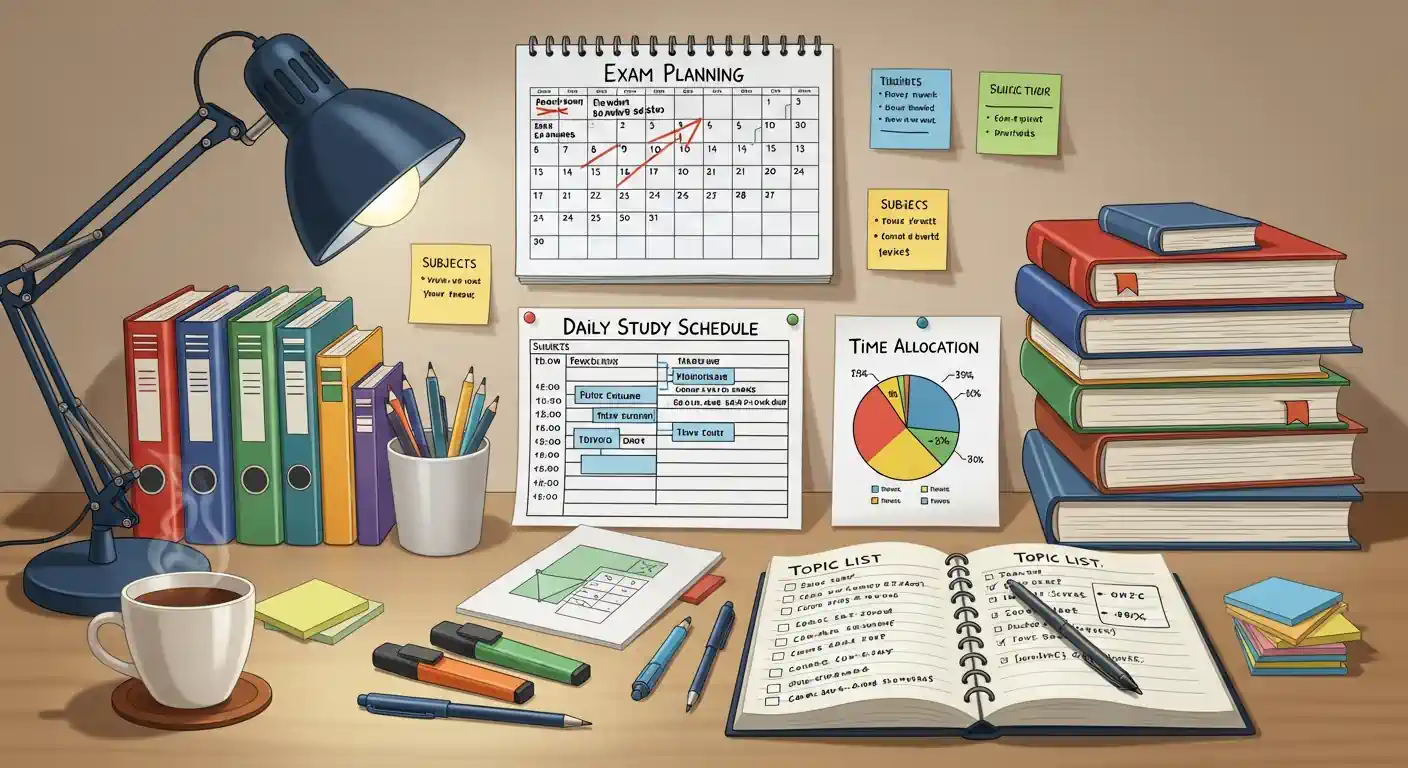
Achieving exam success is a goal many students strive for, and with the right approach, higher test scores are well within reach. This guide provides a comprehensive overview of proven strategies designed to optimize your learning, enhance your recall, and build confidence for any examination. We'll delve into effective study techniques, smart time management, and mental preparation essential for peak performance.
Key Points:
- Strategic Planning: Develop a realistic study schedule.
- Active Learning: Engage with material beyond passive reading.
- Effective Time Management: Master techniques for both studying and the exam itself.
- Health & Well-being: Prioritize physical and mental health.
- Practice & Review: Simulate exam conditions and reinforce learning.
Mastering Your Study Habits for Higher Test Scores
The journey to achieving exam success begins long before the test date. It starts with establishing robust study habits that foster deep understanding and long-term retention. This section focuses on how to transform your learning process into an efficient and effective one, leading directly to improved test scores.
Designing an Effective Study Schedule
A well-structured study plan is the cornerstone of any successful academic endeavor. It ensures that all necessary topics are covered without overwhelming you, allowing for consistent progress and reducing last-minute cramming.
- Break Down the Material: Divide your syllabus into smaller, manageable chunks.
- Allocate Time Wisely: Assign specific time slots for each topic, considering its difficulty and your familiarity with it. A study journal can be invaluable for tracking progress.
- Incorporate Review Sessions: Schedule regular review periods to revisit previously studied material. This is crucial for solidifying knowledge and preventing forgetting.
- Be Realistic: Avoid over-scheduling. Build in flexibility for unexpected events and allow for breaks to prevent burnout.
- Visualize Your Progress: Use a calendar or planner to map out your study sessions, marking completed tasks. This visual representation can be highly motivating.
Implementing Active Learning Techniques
Passive reading is rarely enough to truly grasp complex subjects. Active learning involves engaging with the material in ways that promote deeper understanding and critical thinking, significantly boosting your ability to recall information during an exam.
- Summarization: After reading a section, try to summarize its main points in your own words. This forces you to process and synthesize the information.
- Concept Mapping: Create visual diagrams that show the relationships between different concepts. This is particularly helpful for subjects with interconnected ideas.
- Teaching Others: Explain the material to a friend, family member, or even an imaginary audience. The act of teaching clarifies your own understanding.
- Practice Questions: Work through as many practice questions and past papers as possible. This is a direct way to test your knowledge and identify weak areas.
- Flashcards: Use flashcards for memorizing key terms, dates, formulas, or definitions. Regularly test yourself with them.
The Power of Spaced Repetition and Active Recall
Two highly effective learning strategies that directly contribute to achieving exam success are spaced repetition and active recall. These methods are scientifically proven to improve long-term memory.
- Spaced Repetition: Instead of reviewing material all at once, revisit it at increasing intervals. For instance, review a topic an hour after learning it, then a day later, then a week later. This combats the natural forgetting curve.
- Active Recall: Force yourself to retrieve information from memory without looking at your notes. This could involve answering questions, filling in blanks, or simply trying to remember key facts. The effort involved in recalling strengthens the memory trace.
Time Management During Exams: Strategies for Success
Beyond effective studying, mastering time management during the exam itself is a critical skill that directly impacts your score. Knowing how to allocate your precious minutes can mean the difference between answering all questions and leaving parts incomplete. This is a core component of achieving exam success.
Pre-Exam Planning and Preparation
The groundwork for good exam time management is laid before you even sit down for the test.
- Understand the Exam Format: Before the exam, familiarize yourself with the structure: number of questions, types of questions (multiple-choice, essay, short answer), and their allocated marks.
- Allocate Time Per Section: Based on the format and marks, mentally (or on scratch paper) assign a time limit for each section or question type.
- Pace Yourself: The goal is to maintain a steady pace throughout the exam, rather than rushing at the end or spending too long on one difficult question.
Strategies for Efficient Exam Execution
Once the exam begins, these techniques will help you make the most of your time.
- First Pass Strategy: Quickly scan the entire exam. Answer the questions you are most confident about first. This builds momentum and ensures you secure marks for what you know.
- Tackle Difficult Questions Later: If you encounter a question you're unsure about, mark it and move on. Return to it during your review time if you have any left.
- Read Questions Carefully: Misinterpreting a question is a common pitfall. Take a few extra seconds to ensure you understand exactly what is being asked before you start writing.
- Monitor Your Time: Keep an eye on the clock. If you notice you're running over time in a particular section, make a decision to either speed up or move on.
- Utilize Scratch Paper: Use your scratch paper effectively for jotting down notes, calculations, or outlining essay answers before you start writing.
Handling Different Question Types
Different question types require different time allocation strategies.
- Multiple-Choice Questions (MCQs): These are usually time-efficient. Answer them directly. If unsure, make an educated guess and move on, but remember to circle them to revisit if time permits.
- Short Answer Questions: Be concise and to the point. Provide the essential information without excessive elaboration.
- Essay Questions: These require more time. First, quickly outline your main points and structure. Then, dedicate time to developing each point with supporting evidence before concluding.
The Importance of Health and Well-being for Exam Performance
Achieving exam success isn't solely about academic prowess; your physical and mental health play a crucial role. Neglecting your well-being can sabotage even the best study plans.
Sleep: The Ultimate Study Aid
Adequate sleep is fundamental for cognitive function, memory consolidation, and concentration.
- Prioritize Sleep: Aim for 7-9 hours of quality sleep per night, especially in the weeks leading up to your exams.
- Avoid All-Nighters: While tempting, cramming all night significantly impairs your ability to think clearly and recall information. A rested brain performs exponentially better.
- Establish a Routine: Go to bed and wake up around the same time each day, even on weekends, to regulate your body's natural sleep-wake cycle.
Nutrition and Hydration
What you eat and drink directly impacts your brain's performance.
- Balanced Diet: Focus on whole foods, fruits, vegetables, and lean proteins. Avoid excessive sugar, processed foods, and caffeine, which can lead to energy crashes.
- Stay Hydrated: Dehydration can cause fatigue and difficulty concentrating. Keep a water bottle handy and sip regularly throughout the day.
Managing Stress and Anxiety
Exam periods can be stressful. Implementing stress management techniques is vital.
- Mindfulness and Meditation: Short meditation sessions can help calm the mind and improve focus.
- Physical Activity: Regular exercise is a powerful stress reliever. Even a brisk walk can make a significant difference.
- Breaks and Relaxation: Schedule short breaks during study sessions and engage in activities you enjoy to unwind.
- Positive Self-Talk: Challenge negative thoughts and replace them with affirmations of your ability and preparation.
Differentiated Value: Beyond Traditional Study Methods
While core study strategies are essential, incorporating unique approaches can provide a significant edge in achieving exam success and achieving higher test scores.
- Leveraging Technology for Active Recall: Beyond flashcards, explore spaced repetition software (SRS) like Anki or Quizlet's advanced features. These platforms adapt to your learning pace, showing you more difficult material more frequently. Some integrate multimedia, enhancing learning for visual or auditory learners. This is a trend gaining traction in academic circles for its efficiency, noted in recent educational technology reviews from 2024.
- The "Flipped Classroom" Mindset for Self-Study: Even without a formal flipped classroom, you can adopt this model. Watch lecture videos (or read textbook chapters) before attending a study group or working through practice problems. This way, your study time is dedicated to problem-solving and clarification, not initial information intake. This approach has been highlighted in pedagogical research for its effectiveness in promoting deeper engagement.
Expert Insights and Evidence-Based Practices
Research consistently supports the efficacy of structured learning and strategic exam-taking. For instance, a 2023 meta-analysis published in the Journal of Educational Psychology found that students employing active recall and spaced repetition techniques scored, on average, 15% higher on cumulative exams compared to those relying solely on passive review. Furthermore, studies on time management during assessments, like one from the University of Cambridge in 2025, indicate that students who pre-plan their exam approach demonstrate significantly less test anxiety and a more thorough completion rate of exam questions.
FAQ Section
Q1: How much time should I dedicate to studying for an exam? The ideal study time varies by exam difficulty, subject matter, and your personal learning speed. A good rule of thumb is to start early, break down the material, and consistently dedicate focused hours rather than cramming. Aim for at least 1-2 hours of focused study per day for a week leading up to an exam.
Q2: What's the best way to prepare for essay questions? For essay questions, it's crucial to understand the prompt, brainstorm key points, and create a concise outline before writing. Practice writing essays under timed conditions. Focus on clear thesis statements, logical arguments, and supporting evidence. Reviewing sample essays can also provide valuable insight into structure and style.
Q3: I get very anxious before exams. How can I manage this? Exam anxiety is common. Practice relaxation techniques like deep breathing or mindfulness. Ensure you are well-prepared, as confidence often reduces anxiety. Get adequate sleep, eat well, and engage in light physical activity. During the exam, focus on one question at a time and remind yourself of your preparation.
Q4: Is it better to study alone or in a group? Both methods have benefits. Studying alone is excellent for focused review and tackling difficult concepts independently. Group study can be beneficial for discussing complex topics, quizzing each other, and gaining different perspectives. The most effective approach often involves a combination of both, tailored to your learning style and the specific subject.
Conclusion: Your Path to Exam Success
Achieving exam success and securing higher test scores is a systematic process that involves diligent preparation, intelligent study strategies, and effective in-exam execution. By adopting active learning techniques, mastering time management, prioritizing your well-being, and incorporating differentiated strategies, you can significantly boost your performance. Remember that consistency and a proactive approach are key.
What are your go-to strategies for acing exams? Share your tips and experiences in the comments below!
For further insights into optimizing your academic performance, consider exploring articles on effective note-taking methods and building strong foundational knowledge. These topics can further complement your journey towards achieving your desired test scores.
This article was last updated on January 9, 2026. Recommendations for content updates include exploring digital tools for exam preparation and advanced psychological techniques for performance enhancement.