Achieve Exam Success: Practical Tips for Students of All Levels
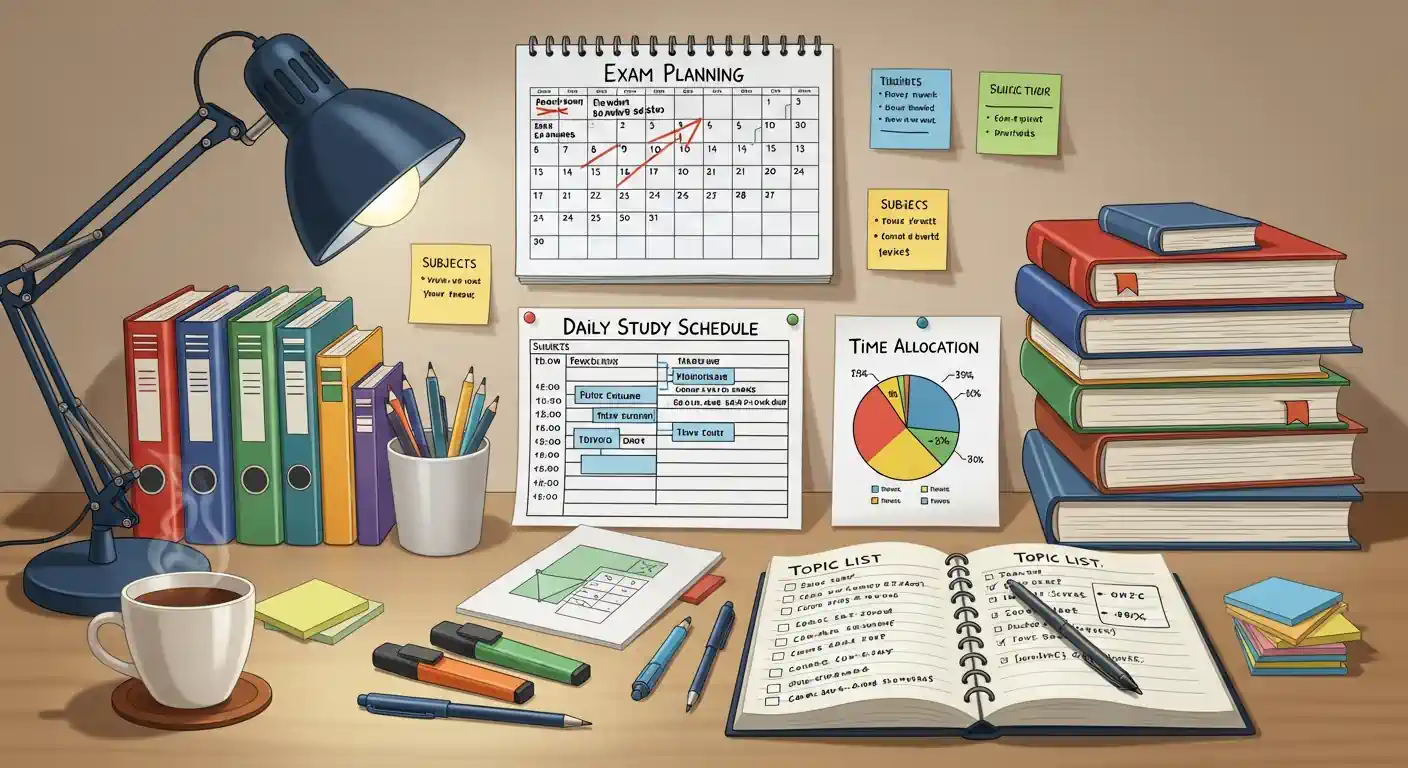
Achieve Exam Success: Practical Tips for Students of All Levels
Exams are an inevitable part of the academic journey, often bringing a mix of anticipation and anxiety. Whether you're a high school student facing your first major tests, a university student navigating complex courses, or an adult learner returning to education, the desire to achieve exam success is universal. This comprehensive guide offers practical, evidence-based strategies designed to help students of all levels prepare effectively, manage their time wisely, and perform their best when it matters most. We'll delve into proven study techniques, mental wellness tips, and smart test-taking approaches to transform your exam experience.
Key Points for Exam Success
- Strategic Planning: Develop a realistic study schedule and set clear, achievable goals.
- Active Learning: Engage with material through active recall and spaced repetition, not just passive reading.
- Effective Time Management: Prioritize tasks and allocate sufficient time for challenging subjects.
- Holistic Well-being: Integrate breaks, proper nutrition, and sleep to prevent burnout.
- Mindset Matters: Cultivate a positive attitude and manage exam-related stress proactively.
Mastering Your Study Routine for Exam Success
To truly achieve exam success, a well-structured and consistent study routine is paramount. It's not just about the hours you put in, but how you utilize those hours. Building effective study habits early can significantly reduce stress and improve retention.
Effective Planning and Goal Setting
The foundation of any successful exam preparation begins with meticulous planning. Start by understanding the scope of your exams, including topics, formats, and weighting. Break down large study goals into smaller, manageable tasks. For example, instead of "study biology," aim for "review Chapter 5 photosynthesis diagrams for 45 minutes." Setting SMART goals (Specific, Measurable, Achievable, Relevant, Time-bound) can provide clarity and motivation.
Active Learning Techniques for Deeper Understanding
Passive learning, such as simply rereading notes, is often ineffective. To truly achieve exam success, you must engage actively with the material. Active recall, where you test yourself on information without looking at your notes, is incredibly powerful. Flashcards, self-quizzing, and explaining concepts aloud are excellent methods. Another highly effective strategy is interleaving, which involves mixing different subjects or topics during a study session. This technique, highlighted in a 2023 study on cognitive learning strategies, helps improve problem-solving skills and long-term retention.
The Power of Spaced Repetition
One of the most impactful learning strategies for long-term memory is spaced repetition. Instead of cramming, review material at increasing intervals over time. For instance, review a topic a day after learning it, then three days later, then a week later, and so on. This method leverages the "spacing effect" to solidify information in your memory, making it easier to recall during exams. Many digital tools and apps are available to help implement spaced repetition effectively.
Time Management During Exams: Strategies for Peak Performance
Efficient time management during exams is crucial, not only for preparation but also for maintaining your well-being. Poor time management can lead to last-minute cramming, increased stress, and suboptimal performance.
Crafting a Realistic Study Schedule
A well-planned study schedule is your roadmap to achieve exam success. Begin by mapping out all your commitments (classes, work, social activities) and then allocate dedicated study blocks. Be realistic about how much you can accomplish in each session. It's often more effective to have shorter, focused study periods (e.g., 45-60 minutes) followed by short breaks, rather than marathon sessions. For more detailed guidance on structuring your study time, readers can explore related articles on academic scheduling.
Prioritizing and Tackling Difficult Subjects
Not all subjects or topics are created equal. Identify your areas of weakness and allocate more study time to them. Use a prioritization matrix (e.g., urgent/important) to decide which tasks need immediate attention. Breaking down complex topics into smaller, digestible chunks can make them less daunting. Don't shy away from seeking help from teachers or tutors for challenging material; early intervention can make a significant difference.
Avoiding Burnout and Maintaining Well-being
Sustained effort without adequate rest can lead to burnout, which severely hinders your ability to achieve exam success. Integrate regular breaks into your study schedule. Ensure you get sufficient sleep, as sleep plays a critical role in memory consolidation and cognitive function. A 2024 report on student well-being emphasized the link between sleep quality and academic performance. Maintain a balanced diet and engage in physical activity to keep your mind and body healthy. These holistic approaches are vital for long-term academic endurance.
Differentiated Strategies for Diverse Learners
Every student learns differently, and recognizing your unique learning style can significantly enhance your path to achieve exam success. Adapting your strategies to suit your strengths is a powerful differentiator.
Leveraging Technology for Enhanced Learning
The digital age offers a wealth of tools to support diverse learning styles. From educational apps that gamify learning to online collaboration platforms and interactive simulations, technology can make studying more engaging and effective. For visual learners, mind-mapping software or video tutorials can be invaluable. Auditory learners might benefit from podcasts or recording themselves explaining concepts. Experiment with different tools to find what best complements your learning preferences.
Group Study vs. Individual Focus: Finding Your Balance
Both group study and individual study have their merits. Individual study allows for deep concentration and personalized pacing, ideal for initial learning and review. Group study, on the other hand, can be excellent for discussing complex topics, clarifying doubts, and teaching others (which reinforces your own understanding). The key is to find a balance that works for you. If engaging in group study, ensure it remains focused and productive, perhaps by setting clear agendas.
Navigating Exam Day with Confidence
All your hard work culminates on exam day. Having a strategy for the day itself can significantly impact your performance and help you achieve exam success.
Pre-Exam Preparation and Mindset
The night before an exam, prioritize rest over last-minute cramming. A good night's sleep is more beneficial than a few extra hours of frantic review. On exam morning, eat a nutritious breakfast and arrive at the exam venue early to avoid rushing. Cultivate a positive mindset by reminding yourself of your preparation and focusing on what you know. Techniques like deep breathing or mindfulness can help manage pre-exam jitters.
Smart Test-Taking Strategies
During the exam, read all instructions carefully before you begin. Allocate your time wisely across questions, perhaps spending more time on questions with higher marks. If you encounter a difficult question, don't get stuck; move on and return to it later if time permits. For multiple-choice questions, eliminate obviously incorrect answers first. Always review your answers if you have time at the end, checking for any missed questions or simple errors. These strategies are critical for maximizing your score and truly demonstrating your knowledge.
Frequently Asked Questions (FAQ)
What is the most effective way to start preparing for exams?
The most effective way to start preparing is by creating a detailed study plan. Begin by outlining all topics, setting realistic daily goals, and identifying your weakest areas. Incorporate active learning techniques from the outset, such as self-quizzing and spaced repetition, rather than passively rereading notes. Early and consistent preparation significantly reduces stress and improves retention, laying a strong foundation to achieve exam success.
How can I manage exam stress and anxiety?
Managing exam stress involves a combination of preparation and self-care. Ensure you're well-prepared to boost confidence. Incorporate stress-reducing activities like exercise, mindfulness, or hobbies into your routine. Prioritize adequate sleep and nutrition. During the exam, use deep breathing techniques. Remember that a certain level of stress can be motivating, but excessive anxiety can be detrimental.
Is it better to study alone or in a group?
Both individual and group study have benefits. Individual study allows for deep focus, personalized pacing, and initial learning of complex material. Group study is excellent for discussing concepts, clarifying doubts, and peer teaching, which reinforces understanding. The best approach is often a blend of both: use individual time for initial learning and review, and group sessions for discussion and problem-solving.
How important is sleep for exam performance?
Sleep is critically important for exam performance. During sleep, your brain consolidates memories and processes information learned during the day. Lack of sleep impairs cognitive functions such as concentration, problem-solving, and recall, directly hindering your ability to achieve exam success. Aim for 7-9 hours of quality sleep, especially in the days leading up to and during exams.
Conclusion: Your Path to Academic Excellence
Achieve exam success is not merely about intelligence; it's a testament to effective strategies, consistent effort, and a resilient mindset. By implementing these practical tips – from strategic planning and active learning to smart time management and holistic well-being – you can transform your exam preparation