Ace Your Exams: Essential Strategies for Top Scores
Ace Your Exams: Essential Strategies for Top Scores
Preparing for exams can feel like climbing a mountain, but with the right strategies, you can not only reach the summit but also enjoy the view from the top. This comprehensive guide is designed to equip you with essential strategies to ace your exams and achieve the top scores you deserve. From effective study planning to mastering exam day techniques and maintaining a positive mindset, we'll cover everything you need to transform your exam preparation into a powerful pathway to success. By adopting these proven methods, you'll build confidence, reduce stress, and significantly improve your academic performance.
Key Points for Exam Success:
- Strategic Planning: Develop a detailed study schedule and break down complex material.
- Active Learning: Utilize techniques like active recall and spaced repetition for better retention.
- Mindset Mastery: Cultivate a positive outlook and manage stress effectively.
- Exam Day Tactics: Implement smart test-taking skills to maximize your performance.
- Continuous Improvement: Reflect on results to refine future study approaches.
Mastering Exam Preparation: Your Path to Top Scores
Effective exam preparation is the cornerstone of achieving excellent results. It's not just about spending hours with your books; it's about how you spend those hours. Implementing smart, evidence-based strategies can significantly enhance your learning and retention, helping you ace your exams with greater ease.
Strategic Study Planning and Time Management
The first step to success is a well-structured plan. Without a clear roadmap, studying can feel overwhelming and inefficient.
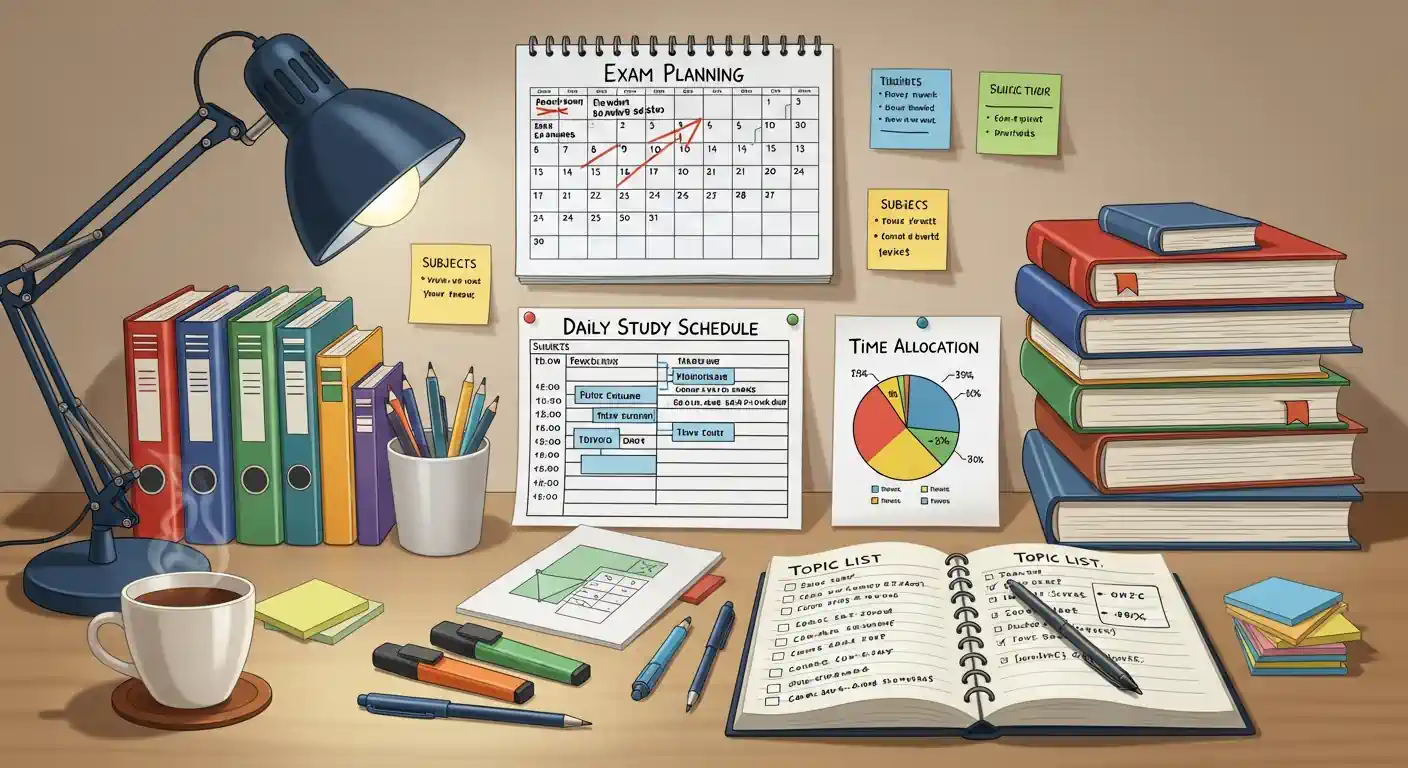
- Create a Realistic Study Schedule: Begin by mapping out all your exam dates and deadlines. Allocate specific blocks of time for each subject, ensuring a balance between challenging topics and those you find easier. Consistency is more important than cramming.
- Break Down Material into Manageable Chunks: Large topics can be daunting. Divide your syllabus into smaller, digestible sections. This makes the learning process less intimidating and allows for a sense of accomplishment as you complete each segment.
- Utilize Time Management Techniques:
- Pomodoro Technique: Work in focused 25-minute intervals, followed by short breaks. This helps maintain concentration and prevents burnout.
- Active Breaks: Instead of scrolling on your phone, use breaks for light stretching, a quick walk, or hydrating. This rejuvenates your mind.
- Prioritize Tasks: Use methods like the Eisenhower Matrix to distinguish between urgent and important tasks, focusing your energy where it matters most.
Effective Study Techniques for Retention
Passive reading is rarely enough to truly understand and remember complex information. To truly ace your exams, you need to engage actively with your study material.
- Active Recall: Instead of re-reading notes, test yourself on what you've learned. Close your book and try to explain a concept in your own words, or answer practice questions without looking at the answers. This strengthens memory pathways.
- Spaced Repetition: Review material at increasing intervals over time. This technique leverages how our brains forget and remember, ensuring long-term retention. Tools like flashcard apps often incorporate this principle.
- Diversify Your Study Methods:
- Flashcards: Excellent for memorizing definitions, formulas, or key facts.
- Self-Quizzing: Regularly create and answer your own practice questions.
- Teaching Others: Explaining a concept to someone else (or even an imaginary audience) solidifies your understanding and reveals gaps in your knowledge.
- Mind Mapping: Visually connect ideas and concepts, which can aid in understanding complex relationships.
A differentiated approach to modern study involves responsibly integrating AI tools. For instance, AI can generate endless practice questions on specific topics, providing immediate feedback and helping you identify areas needing more attention. However, always verify information and use AI as a supplement, not a replacement, for critical thinking.
The Power of Practice and Feedback
Practice makes perfect, especially when it comes to exams. Applying your knowledge under timed conditions is crucial for achieving top scores.
- Work Through Past Papers and Mock Exams: This is perhaps the most critical step. It familiarizes you with the exam format, question types, and time constraints. Treat these as real exams to simulate the pressure.
- Review Your Mistakes Thoroughly: Don't just identify wrong answers; understand why they were wrong. Was it a conceptual misunderstanding, a careless error, or poor time management? Learning from mistakes is a powerful growth mechanism.
- Seek Constructive Feedback: If possible, ask teachers, tutors, or study partners to review your practice answers. Fresh perspectives can highlight areas you might overlook. For more information on this topic, readers can explore related articles on effective feedback loops in learning.
Optimizing Your Mindset and Well-being for Exam Success
Your mental and physical state significantly impacts your ability to perform under pressure. A positive mindset and good self-care are essential components to ace your exams.
Cultivating a Positive Exam Mindset
Your attitude towards exams can be a self-fulfilling prophecy. A confident, resilient mindset is a powerful tool.
- Embrace a Growth Mindset: Believe that your abilities can be developed through dedication and hard work. View challenges as opportunities to learn, rather than insurmountable obstacles.
- Visualize Success: Spend a few minutes each day imagining yourself confidently taking the exam and achieving your desired results. This mental rehearsal can build self-efficacy and reduce anxiety.
- Focus on Progress, Not Perfection: Celebrate small victories in your study journey. Acknowledging your efforts keeps motivation high and prevents discouragement from minor setbacks.
Stress Reduction and Self-Care
High stress levels can impair cognitive function and memory recall. Prioritizing your well-being is non-negotiable.
- Prioritize Adequate Sleep: Research consistently shows a strong link between sufficient sleep and cognitive performance. A 2024 study published in the Journal of Cognitive Neuroscience highlighted that students who consistently achieved 7-9 hours of sleep before exams demonstrated significantly higher recall and problem-solving abilities compared to sleep-deprived peers. Aim for consistent sleep patterns, especially in the week leading up to exams.
- Incorporate Regular Physical Activity: Even short bursts of exercise can reduce stress hormones and boost mood. A 20-minute walk can clear your head and improve focus.
- Practice Mindfulness and Relaxation Techniques:
- Deep Breathing Exercises: Simple techniques can quickly calm your nervous system.
- Short Meditation Sessions: Even 5-10 minutes of mindfulness can improve focus and reduce anxiety.
- Healthy Nutrition: Fuel your brain with balanced meals and stay hydrated. Avoid excessive caffeine and sugary snacks, which can lead to energy crashes